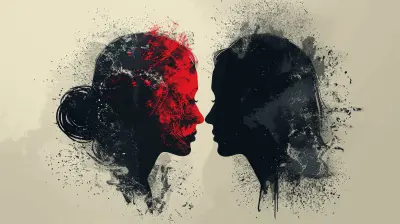
Understanding Emotional Expression in Nonverbal Communication
9 July 2026
Ever walked into a room and immediately felt the tension without anyone saying a word? Or maybe you've sensed someone's joy just from seeing the smile on their face—even before they opened their mouth? That’s the silent power of nonverbal communication at play. Emotional expression, especially the kind that doesn’t involve words, is one of the most powerful tools in human connection.
In this article, we’re diving deep into the psychology of how emotions show up nonverbally. We’ll unpack everything from facial expressions and body language to the subtle shifts in tone and space that speak volumes—even when our lips stay sealed.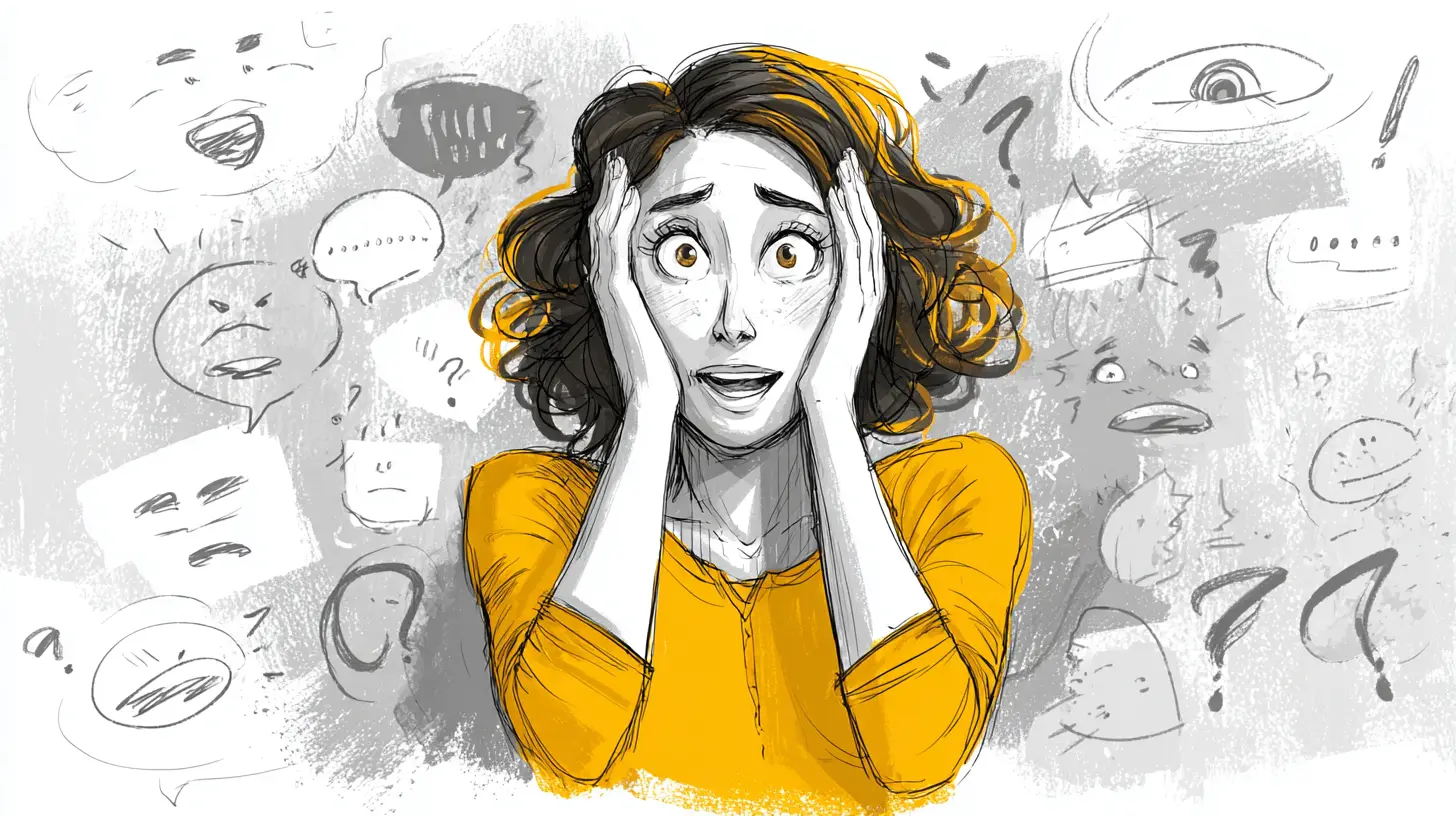
What Is Nonverbal Communication, Really?
Let’s start with the basics. Nonverbal communication includes just about everything that isn’t said out loud. Think facial expressions, gestures, posture, eye contact, even the way someone breathes or the rhythm they speak in. In fact, according to studies, a whopping 70-93% of communication is nonverbal. Yeah, that’s huge.So, when we talk about “emotional expression,” we’re not only looking at tears or laughter—we’re exploring the full emotional landscape as it presents itself through the body, face, and even silence.
Why Emotions Prefer the Silent Treatment
Here’s the thing about emotions: they often bypass our logical brain and go straight to action. Ever felt your face heat up in anger or sadness without even realizing it? That’s your emotional brain firing on all cylinders. And because nonverbal signals come straight from that raw emotional core, they're often more honest than words.People can lie with words, but it's a lot harder to fake a genuine smile or hide a threatening glare. That’s why nonverbal emotional cues are such powerful indicators of what someone is really feeling.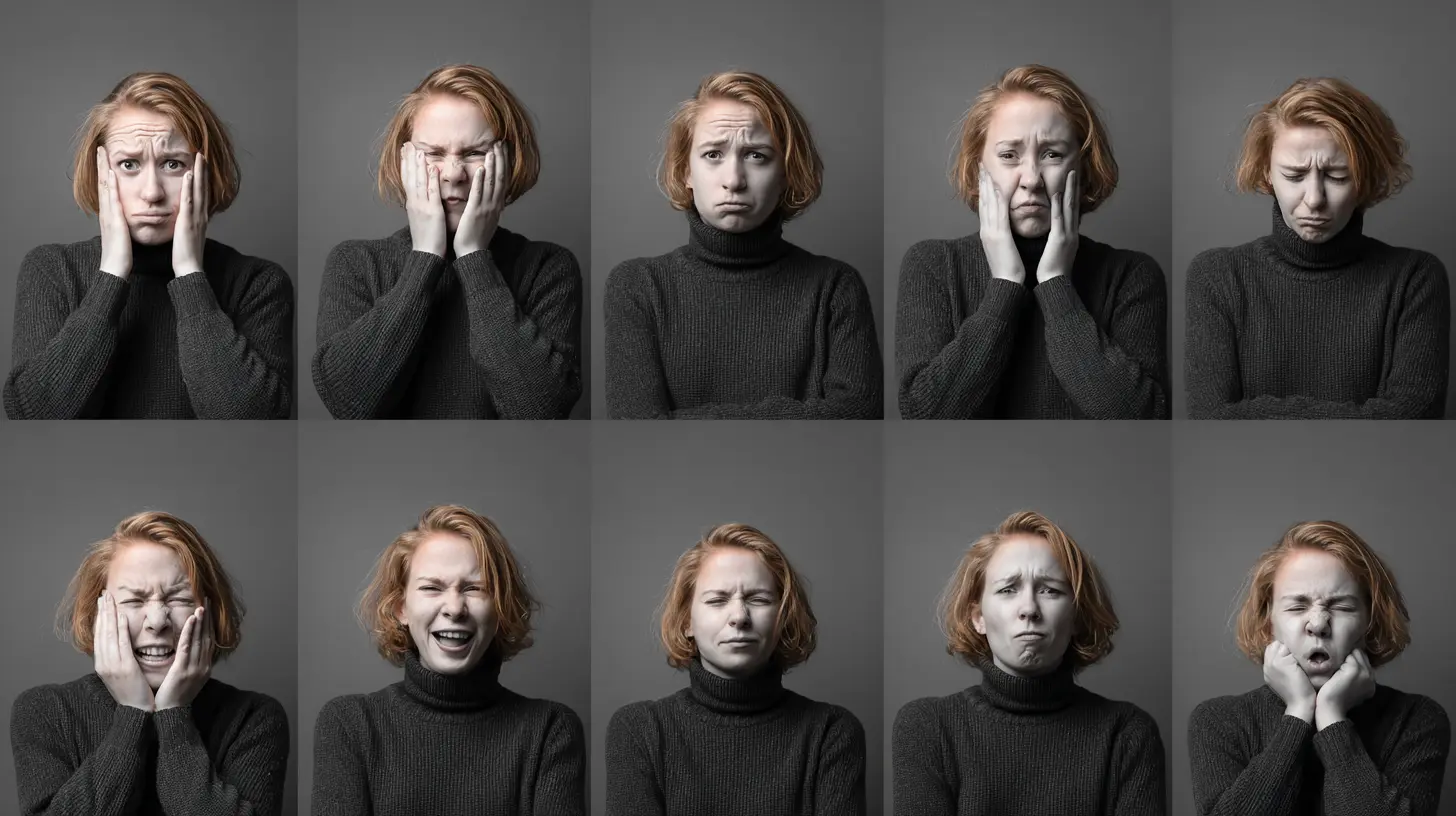
The Big Six: Universal Facial Expressions
Let’s look at something pretty fascinating—universal emotions. According to psychologist Paul Ekman, there are six basic emotions that are recognized across cultures. These are:1. Happiness
2. Sadness
3. Anger
4. Fear
5. Disgust
6. Surprise
What’s wild is that these emotions all have distinct facial expressions. Whether you’re in Tokyo or Timbuktu, a smile is a smile. A frown is a frown. These expressions are hardwired into us, and we learn to read them from an early age.
But—and here's the kicker—we also learn to mask them.
Masking and Managing Emotions
Ever pasted on a smile even though you were dying inside? We’ve all been there. Humans are experts at emotional masking—especially in social settings. But even when someone is trying to hide what they feel, microexpressions can betray them.Microexpressions are those split-second facial reactions that flash across our faces before we have time to control them. They're involuntary, and they reveal our true emotions even when we’re trying to keep them under wraps.
Think of them as emotional leaks.
These tiny expressions are gold for psychologists, negotiators, and anyone trying to read between the lines.
Body Language: Our Emotional Billboard
While our face may be the spotlight, the body is the stage—and it rarely lies.Think about it. When someone’s confident, they take up space. When they're nervous, they shrink, cross their arms, maybe even look at the floor. Our posture, gestures, and even how close we stand to someone give off emotional cues.
Here’s a quick breakdown:
- Open posture = confidence and positivity
- Closed posture (arms crossed, hunched shoulders) = defensiveness or discomfort
- Leaning in = interest and engagement
- Leaning away = disinterest or discomfort
- Fidgeting = nervous energy or anxiety
You don’t need a degree in psychology to pick up on these. Our brains are wired to notice them, even if we're not consciously aware of it.
Eye Contact: The Window to the Soul?
They say the eyes are the windows to the soul. As cliché as it sounds, there’s truth here.Eye contact plays a huge role in emotional expression. Too much of it might feel intimidating or intense. Too little can come off as evasive or disinterested.
Ever had someone avoid your gaze while claiming to be fine? Chances are, they weren’t. Prolonged eye contact can show affection, honesty, or dominance—depending on the context. It’s a delicate game of emotional chess.
Tone of Voice: More Than Just Words
Even though tone is technically verbal, it falls into the realm of nonverbal communication because it’s not what you say—it’s how you say it.Inflection, pitch, volume, and pace all serve as emotional indicators. Think about how you say "I'm fine." That phrase can mean you're genuinely okay, sarcastically annoyed, or moments from breaking down—depending on how it's delivered.
This is why text messages can be so tricky. Without vocal tone, a simple sentence can be misread a hundred different ways. Ever had a texting mishap because someone thought you were angry when you were just being brief? That’s tone playing hide and seek.
Cultural Differences in Nonverbal Emotion
Here's where things get interesting—and a bit tricky. While some expressions are universal, many forms of nonverbal emotional expression are deeply rooted in culture.For instance, in some cultures, direct eye contact is a sign of respect. In others, it can be seen as rude or confrontational. Smiling might indicate happiness in one culture, while in another, it could signal embarrassment or discomfort.
Understanding cultural context is key when interpreting emotional cues. What seems obvious in one country might be totally misread in another.
Gender and Emotional Expression
Let’s talk gender for a second. Society tends to shape how we express—or suppress—emotions based on gender norms. Ever heard the phrase “boys don’t cry”? Or noticed how women are often expected to be more emotionally expressive?Research shows that women use more facial expressions and maintain eye contact more frequently, while men are more likely to express anger than sadness. But remember, these are generalizations influenced by social norms, not biological absolutes.
We’re all capable of the full emotional range—it’s the permission we give ourselves (and others) that often differs.
Emotional Expression in Relationships
Nowhere is nonverbal communication more important than in our personal relationships. Think of a romantic partner, a close friend, or even a family member.You know that look your partner gives you when they're not happy—even if they say, “It’s fine.” Or the subtle shift in your friend’s posture when they’ve had a rough day. We decode these signs whether we realize it or not.
In healthy relationships, being attuned to nonverbal emotional cues helps build trust, empathy, and deeper connection. On the flip side, ignoring these signals can lead to misunderstandings and emotional distance.
The Digital Dilemma: What Happens When Nonverbal Cues Disappear?
Let’s face it—we live in a screen-dominated world. Texting, emailing, and Zoom calls dominate our communication. But here’s the snag: digital communication strips away the bulk of our nonverbal cues.Sure, emojis and GIFs try to compensate, but they’re no match for real-time facial expressions, body language, or vocal tone. This can lead to misinterpretation and emotional disconnect.
Emotional expression isn’t disappearing—it’s just getting a digital makeover. Video chats help bridge the gap, but nothing beats old-fashioned, face-to-face interaction for truly understanding how someone feels.
How to Become Fluent in Nonverbal Emotion
So, how do you get better at reading and using emotional expression without words? Here are a few quick tips:1. Practice observing people. Watch how emotions show up in their faces and movements.
2. Check for congruence. Are their words matching their body language?
3. Ask clarifying questions. If someone’s nonverbal cues and words don’t add up, gently probe.
4. Be mindful of your own expressions. What are you communicating when you’re not talking?
5. Cultivate empathy. The more you care, the more you’ll notice.
Like any language, emotional expression through nonverbal cues gets easier the more you practice.
Final Thoughts
Understanding emotional expression in nonverbal communication is like learning a second language—a language that everyone speaks, but few truly master. It’s complex, nuanced, and deeply human. And best of all? It can radically improve how you connect with others.So next time you're in a conversation, pause for a second. Look beyond the words. Pay attention to the body, the face, the tone. That's where the real story lives.
Because emotions don’t always shout—they often whisper.
all images in this post were generated using AI tools
Category:
Emotional ExpressionAuthor:

Paulina Sanders
Discussion
rate this article
1 comments
Elias Sweeney
This article effectively highlights the intricate link between emotional expression and nonverbal cues. By examining gestures, facial expressions, and body language, it reveals how these elements shape our interactions and enhance our understanding of others' feelings. Insightful read.
July 15, 2026 at 4:21 AM
Paulina Sanders
Thank you for your thoughtful comment! I'm glad you found the connections between emotional expression and nonverbal cues insightful. Your feedback means a lot.