Understanding Stimming: Why It’s Important for Autistic People
6 July 2026
Stimming is a term that’s often misunderstood, especially by those who aren’t familiar with autism. If you’ve ever seen someone repeatedly rocking, flapping their hands, or even humming the same tune over and over, you’ve witnessed stimming in action. But what exactly is it, and why is it so crucial for autistic individuals?
Let’s break it down in simple terms and talk about why stimming isn’t something to be “fixed,” but rather understood and respected. 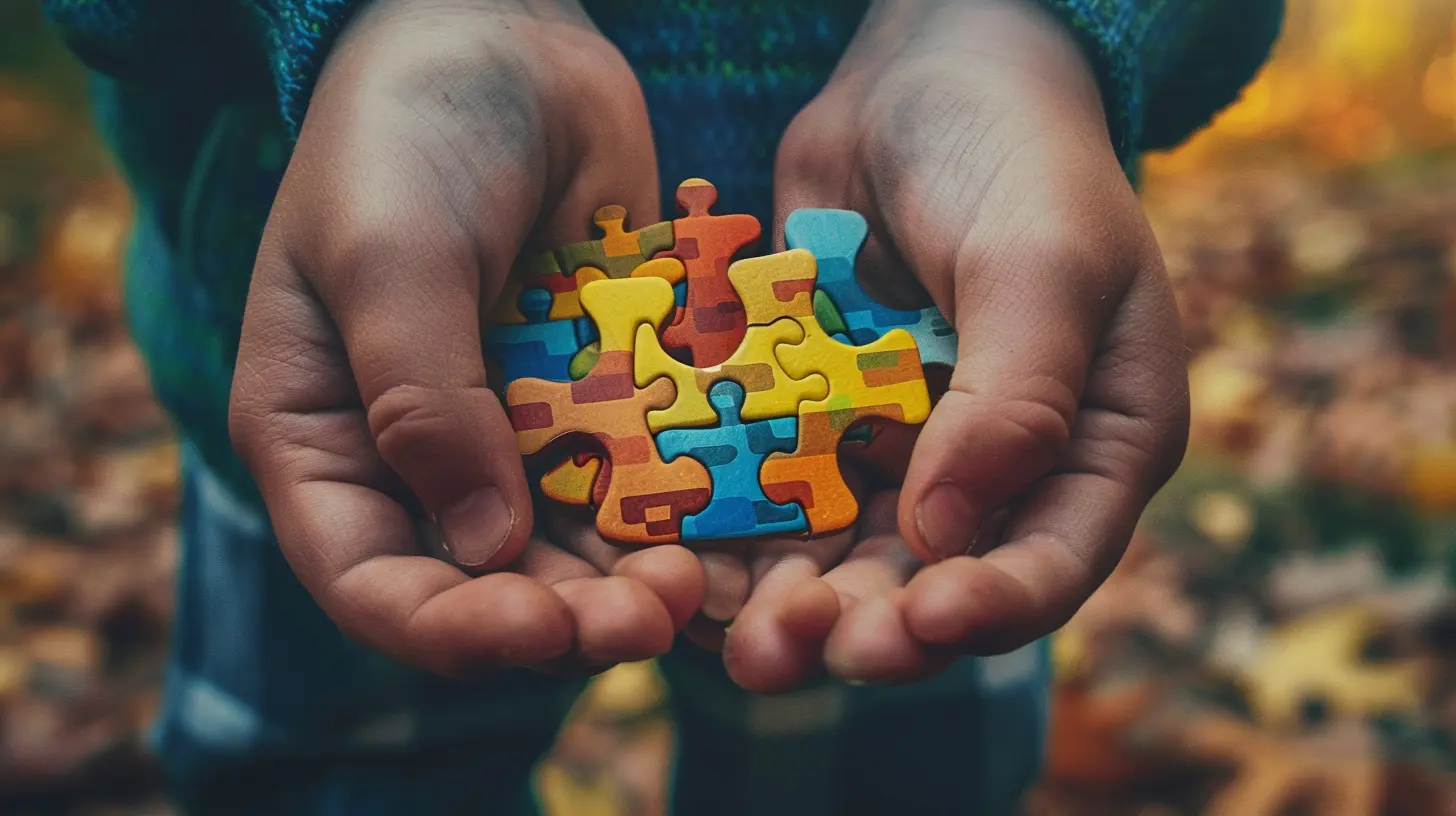
What Is Stimming?
Stimming, short for self-stimulatory behavior, refers to repetitive movements, sounds, or actions that people engage in to regulate emotions, focus, or relieve stress. It’s something everyone does to some extent—think about how you tap your foot when you're nervous, twirl your hair when you're deep in thought, or click your pen absentmindedly during a meeting.For autistic individuals, stimming tends to be more noticeable and frequent. It serves as a way to navigate an overwhelming world, where sensory experiences can be intense or even painful. 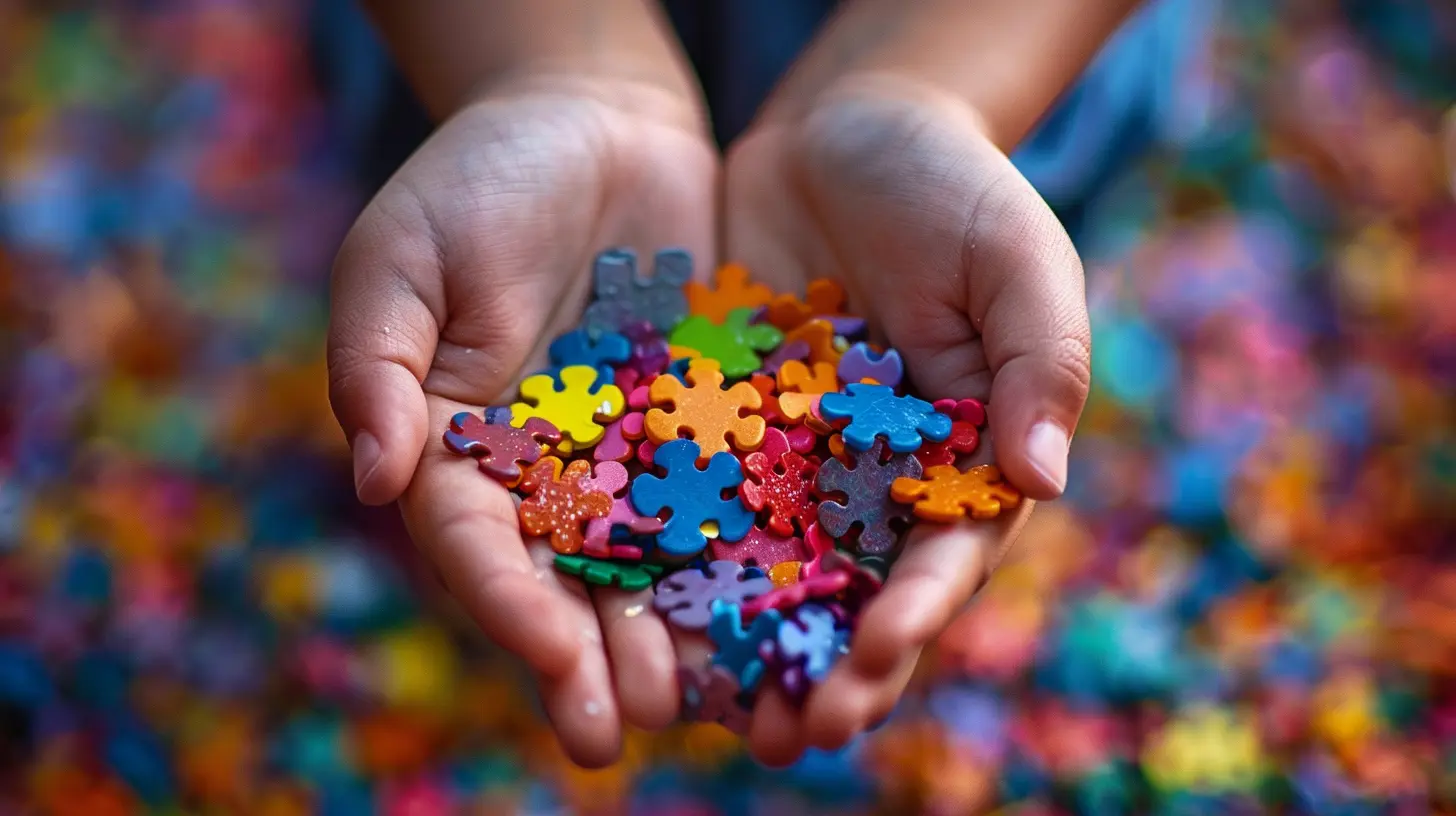
Common Types of Stimming
Stimming behaviors come in various forms, and they may look different from person to person. Here are some common types:1. Physical Stimming (Movement-Based Stims)
- Hand flapping- Rocking back and forth
- Spinning in circles
- Jumping or bouncing
- Finger flicking
2. Auditory Stimming (Sound-Related Stims)
- Humming or singing the same tune repeatedly- Repeating certain words or phrases (echolalia)
- Making clicking or popping sounds with the mouth
3. Visual Stimming (Eye-Related Stims)
- Staring at lights or spinning objects- Waving fingers in front of the eyes
- Watching moving patterns
4. Tactile Stimming (Touch-Based Stims)
- Rubbing hands together- Touching or tapping certain textures repeatedly
- Playing with fabric or squeezing objects
5. Oral Stimming (Mouth-Related Stims)
- Biting or chewing on objects (like pens, clothing, or chewable jewelry)- Sucking on fingers or lips
Each of these behaviors serves a specific purpose, whether it’s for comfort, sensory input, or emotional regulation. 
Why Do Autistic People Stim?
Stimming isn’t just a habit; it’s a deeply ingrained coping mechanism. Here are some of the key reasons why autistic individuals stim:1. Sensory Regulation
The world can be overwhelming—bright lights, loud noises, strong smells. For autistic people, sensory input can feel like a flood, and stimming helps them filter and manage these experiences.2. Emotional Expression and Regulation
Stimming is often a response to emotions, whether it’s excitement, anxiety, frustration, or happiness. It helps autistic individuals process their feelings and stay grounded when emotions run high.3. Focus and Concentration
Some people stim to help concentrate. Just like how some people doodle in meetings or tap their foot while thinking, stimming can help autistic individuals stay engaged and attentive.4. Comfort and Self-Soothing
When the world feels chaotic, stimming provides a familiar and predictable response. It’s like wrapping yourself in a soft blanket—it offers security and comfort in an unpredictable environment.
The Misunderstanding and Stigma Around Stimming
Unfortunately, many people misunderstand stimming and see it as something that needs to be "corrected" or "discouraged." Some parents, teachers, or caregivers may try to stop an autistic child from stimming, thinking it’s inappropriate or disruptive.But here’s the thing—stimming isn’t a problem unless it’s causing harm (like self-injurious behavior such as head banging or biting). Otherwise, stopping someone from stimming can actually increase their stress and anxiety.
Imagine if someone told you to stop tapping your fingers or bouncing your leg when you’re nervous. It would probably make you feel even more uneasy, right? That’s how many autistic individuals feel when they’re forced to suppress their stims.
The Importance of Accepting and Supporting Stimming
Instead of trying to eliminate stimming, a better approach is to support and understand it. Here’s why acceptance is so important:1. It Respects Neurodiversity
Autistic people experience the world differently, and stimming is a natural part of that experience. Accepting stimming means accepting neurodiversity—acknowledging that brains function in diverse ways, and that’s okay.2. It Reduces Anxiety and Stress
When autistic individuals are allowed to stim freely, they can regulate their emotions better, reducing overall anxiety and emotional distress.3. It Improves Self-Esteem
Being told to “stop that” all the time can make anyone feel like they’re doing something wrong. When stimming is accepted, autistic individuals feel more comfortable being themselves.4. It Can Enhance Social and Communication Skills
If an autistic person is allowed to stim when needed, they may actually be able to interact with others more comfortably because they’re not using all their energy to suppress an instinctive behavior.How to Support an Autistic Person Who Stims
If you’re a parent, friend, teacher, or caregiver of an autistic person, here are some ways you can support them:1. Educate Yourself and Others
Understanding stimming is the first step. If you see someone stimming, don’t jump to conclusions—take a moment to consider why they might be doing it.2. Create a Stim-Friendly Environment
Instead of stopping stimming, provide safe ways for autistic individuals to stim. Offer fidget toys, sensory-friendly spaces, or quiet areas when needed.3. Set Boundaries Only When Necessary
If stimming is harmful (like head-banging or biting), work on finding alternative, safer stim options rather than eliminating it completely.4. Listen to Autistic Voices
The best way to understand stimming? Listen to autistic people. There are countless autistic advocates sharing their experiences online—they know firsthand what helps and what doesn’t.Stimming Is Not a Problem—Misunderstanding It Is
At its core, stimming is just another way humans interact with the world. It’s not strange, bad, or something that should be "fixed." It’s a part of life for many autistic individuals, and recognizing its importance can make a world of difference in how they experience the world around them.So, the next time you see someone flapping their hands, rocking, or repeating a sound, remember—it’s not about making them fit into society’s expectations. It’s about allowing them to be themselves, safely and comfortably.
Because at the end of the day, isn’t that what we all want?
all images in this post were generated using AI tools
Category:
AutismAuthor:

Paulina Sanders
Discussion
rate this article
1 comments
Dahlia McNulty
Oh great, another article telling us that rocking back and forth is a fancy coping mechanism. Who knew self-soothing could be so complex? Next, they'll have a guide on how to breathe... because clearly, that's a life skill we just can't figure out.
July 21, 2026 at 4:52 AM
Paulina Sanders
I get where you're coming from. Stimming might seem simple, but it plays a significant role in helping many people cope and express themselves.