Understanding the Link Between Emotional Suppression and Mental Health
9 February 2026
We’ve all been there, right? That moment when we feel overwhelmed by emotions—sadness, anger, frustration—but instead of letting it out, we bottle it up. We tell ourselves to "be strong" or "keep it together." But what happens when we make a habit of suppressing these emotions? How does that affect our mental health? Well, that’s what we’re going to dive into today. Emotional suppression isn’t just about holding back tears; it's way more complex and can have serious consequences on your mental well-being.

What is Emotional Suppression?
Before we go any further, let’s clarify what emotional suppression actually is. Emotional suppression is the conscious effort to block or hide your emotions rather than expressing them. Imagine you’re shaking a bottle of soda and putting the cap on even tighter. Eventually, it’ll either explode or go flat. That’s a bit like emotional suppression—sooner or later, the emotions either burst out uncontrollably or you become emotionally numb.It's important to note that emotional suppression is different from emotional regulation. Emotional regulation is more about controlling how and when you express your emotions in a healthy way, while suppression is more about not expressing them at all.
Why Do People Suppress Their Emotions?
There are a variety of reasons why people suppress their emotions. Some common motivations include:- Fear of Judgment: People often worry that expressing their feelings will lead to negative judgment from others. They may fear being seen as weak, overly emotional, or irrational.
- Cultural or Societal Norms: Some cultures or societies encourage emotional restraint, especially in certain genders. For example, men are often taught to suppress sadness or fear.
- Avoiding Conflict: Many people avoid expressing their emotions to keep the peace in relationships or avoid confrontation.
- Feeling In Control: Some people believe that showing emotions makes them vulnerable, so they suppress their feelings to maintain a sense of control.
While these reasons may seem valid in the short term, emotional suppression can have long-term consequences on mental health.

The Consequences of Emotional Suppression on Mental Health
So, what happens when you constantly suppress your feelings? Does it just go away? Unfortunately, no. Suppressing emotions can lead to a whole host of mental health issues. Let’s break it down.1. Increased Stress Levels
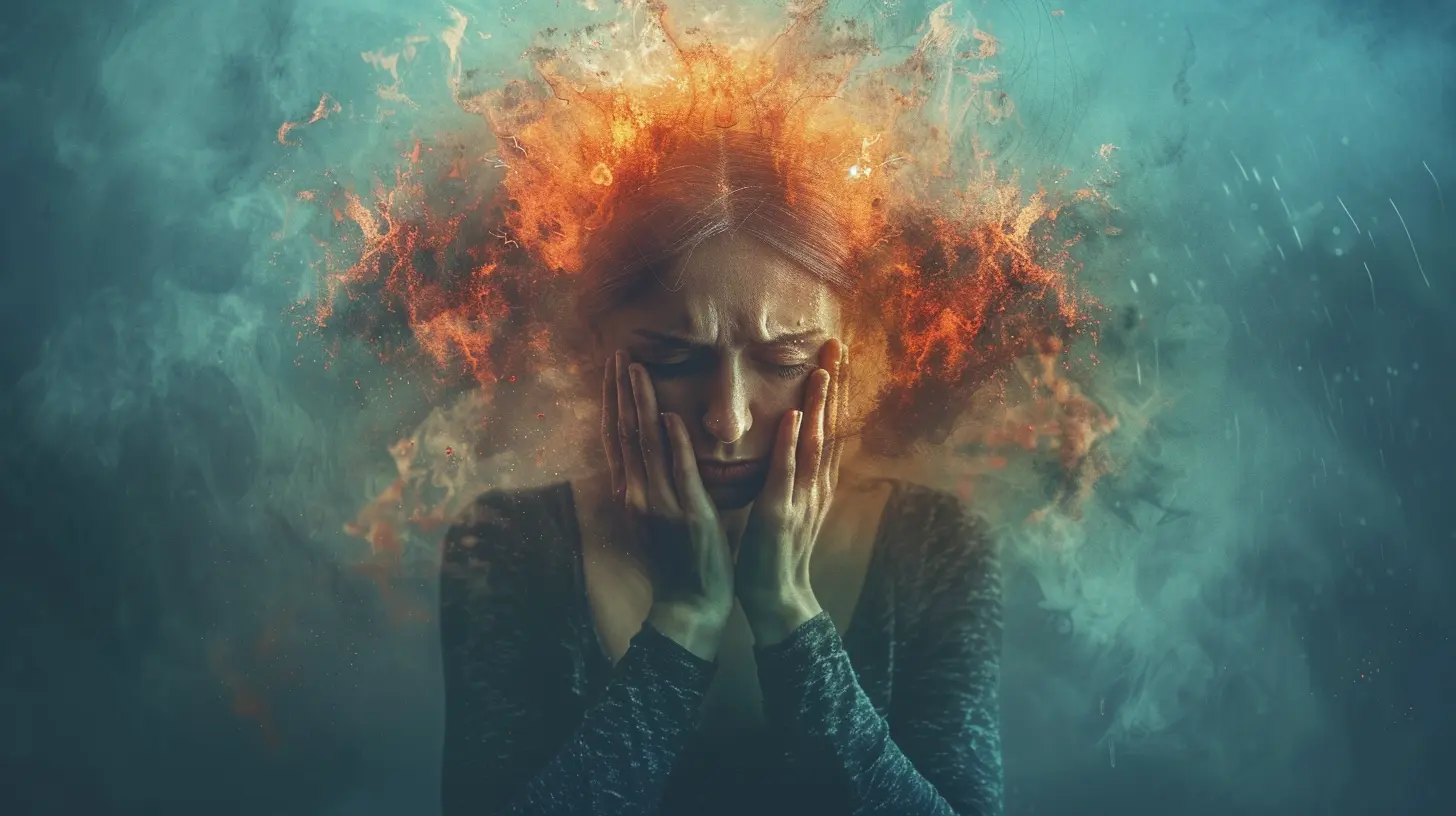
When you suppress your emotions, it’s like putting a lid on a boiling pot of water. Eventually, the pressure builds up. Emotional suppression can increase stress levels because your body remains in a state of heightened arousal. You might not notice it right away, but internally, your body is working overtime to keep those emotions in check. This can lead to chronic stress, which comes with its own set of problems including headaches, fatigue, and even heart disease.2. Anxiety and Depression
One of the most significant links between emotional suppression and mental health is its connection to anxiety and depression. When you suppress your emotions, you're not allowing yourself to process and deal with them. Over time, this can lead to feelings of anxiety. You may find yourself worrying constantly, feeling on edge, and struggling to relax.Depression, on the other hand, can set in when suppressed emotions turn inward. Instead of expressing feelings of sadness or anger, you might internalize them, leading to a sense of hopelessness and low self-esteem. In fact, some studies have shown that emotional suppression is strongly correlated with symptoms of depression.
3. Emotional Numbness
Have you ever felt like you were just going through the motions, not really feeling anything? That’s emotional numbness, and it’s a common side effect of long-term emotional suppression. When you suppress negative emotions, you often suppress positive ones as well. It’s like turning the volume down on all of your emotions. Over time, you might find it harder to feel joy, excitement, or even love.4. Impact on Relationships
Emotional suppression doesn’t just affect you—it affects the people around you, too. When you suppress your emotions, you’re also suppressing authentic communication. This can create a barrier between you and your loved ones, making it difficult for them to understand what you’re going through. Over time, this can lead to feelings of isolation and disconnection, making relationships feel shallow or distant.Moreover, unresolved emotions can eventually come out in unhealthy ways. You might find yourself snapping at someone over something trivial or becoming passive-aggressive. These behaviors can strain relationships and create tension.
5. Physical Health Issues
Believe it or not, emotional suppression can even take a toll on your physical health. There’s a growing body of research suggesting that suppressed emotions can contribute to physical ailments like heart disease, digestive problems, and a weakened immune system.Why does this happen? Well, when you suppress emotions, your body remains in a constant state of "fight or flight," which can lead to chronic inflammation. Over time, this can make you more susceptible to illnesses and diseases.
The Role of Emotional Expression in Mental Health
Now that we’ve covered the negative effects of emotional suppression, let’s talk about the flipside—emotional expression. Expressing your emotions in a healthy way can do wonders for your mental health. It’s like letting the steam out of that boiling pot before it explodes.1. Improved Emotional Regulation
Contrary to what some might think, expressing your emotions doesn’t mean you’re losing control. In fact, it helps you regulate your emotions better. When you acknowledge and express your feelings, you’re more likely to understand why you feel that way and what you can do about it.2. Better Mental Health Outcomes
Research shows that people who express their emotions tend to experience lower levels of anxiety and depression. By expressing your emotions, you're addressing the root cause of your feelings rather than letting them fester. This can lead to a greater sense of well-being and emotional resilience.3. Stronger Relationships
Healthy emotional expression helps to build stronger, more authentic relationships. When you share your feelings with others, it fosters trust and openness. It also allows people to better understand your needs, making it easier to resolve conflicts and strengthen emotional bonds.4. Reduced Stress Levels
Expressing your emotions is a natural stress reliever. Whether it’s venting to a friend, crying, or journaling, emotional expression helps to lower your body’s stress response. This can lead to improved physical health and a greater sense of calm.
How to Stop Suppressing Your Emotions
Alright, so now that you know the dangers of emotional suppression, how do you go about changing it? Here are some strategies that can help you stop suppressing your emotions and start expressing them in a healthy way.1. Acknowledge Your Emotions
The first step to emotional expression is acknowledging that you have emotions in the first place. Sounds simple, right? But many of us are so used to suppressing our feelings that we don’t even realize we’re doing it. Take a moment to check in with yourself throughout the day. How are you feeling? What emotions are bubbling under the surface?2. Practice Mindfulness
Mindfulness is a powerful tool for emotional regulation. By practicing mindfulness, you can become more aware of your emotional state without judgment. This can help you recognize when you’re suppressing emotions and give you the space to express them in a healthy way.3. Talk About Your Feelings
Whether it’s with a therapist, a friend, or a family member, talking about your feelings is one of the best ways to stop emotional suppression. It can be hard to open up at first, but the more you practice, the easier it becomes.4. Find Healthy Outlets for Expression
Not everyone is comfortable with talking about their emotions, and that’s okay. There are plenty of other ways to express how you feel. You could try journaling, painting, writing poetry, or even exercising. The key is to find an outlet that works for you.5. Challenge Negative Beliefs
If you believe that expressing your emotions is a sign of weakness, it’s time to challenge that belief. Expressing your emotions isn’t weak—it’s human. Remind yourself that it’s okay to feel, and it’s okay to let others see that you’re feeling.Final Thoughts
Emotional suppression might seem like an easy way to avoid pain or discomfort, but in the long run, it can wreak havoc on your mental health. From increased stress and anxiety to emotional numbness and strained relationships, the consequences of bottling up your feelings are far-reaching. On the other hand, expressing your emotions in a healthy way can lead to better mental health, stronger relationships, and a greater sense of well-being.So, the next time you’re tempted to suppress how you feel, take a step back. Ask yourself: Is it really worth it? Instead of bottling everything up, try expressing your emotions in a way that feels right for you. Trust me, your mind and body will thank you.
all images in this post were generated using AI tools
Category:
Emotional ExpressionAuthor:

Paulina Sanders
Discussion
rate this article
2 comments
Mae McCord
Great article! It's so true that suppressing emotions can take a toll on our mental health. Acknowledging our feelings, rather than bottling them up, really makes a difference. Thanks for shedding light on this important topic!
March 11, 2026 at 3:35 AM
Paulina Sanders
Thank you for your thoughtful comment! I'm glad the article resonated with you. Acknowledging our emotions is indeed vital for mental health.
Zephyrion McNair
Oh sure, because bottling up all our feelings is obviously the secret to a happy, well-adjusted life! Who needs to express emotions when we can just pretend everything’s fine? It’s not like mental health has anything to do with actually feeling our feelings, right?
February 9, 2026 at 3:41 PM
Paulina Sanders
You're right, expressing emotions is vital for mental health. Bottling them up does more harm than good. Thanks for highlighting this important point!