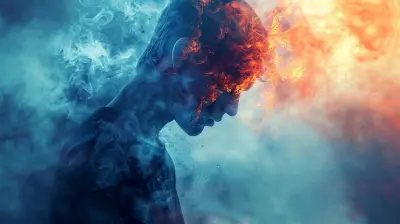
Why We Seek Emotional Pain in Music and Art
17 October 2026
A friend once told me she only listens to sad songs when she is already sad. She does not do it to feel worse, she said. She does it because the songs make her feel less alone. That distinction, between making pain worse and making pain bearable, sits at the center of one of the strangest questions in psychology. Why do human beings deliberately seek out music, films, paintings, and stories that hurt?
On the surface, it makes no sense. We spend enormous energy avoiding physical pain, grief, rejection, and loss. Yet we pay for concert tickets to hear songs about heartbreak. We stream films that leave us in tears. We hang paintings on our walls that depict loneliness, war, or quiet despair. We read novels that end badly on purpose. If pain is something we evolved to escape, why do we invite it in through the front door?
The answer is not simple, and it is not the same for everyone. Emotional pain in art serves several distinct psychological functions. Sometimes it helps us process feelings we cannot name. Sometimes it creates connection. Sometimes it offers beauty, meaning, or relief. And sometimes, when it goes wrong, it becomes a trap. Understanding the difference matters, because the same sad song can heal one person and deepen another person's suffering.
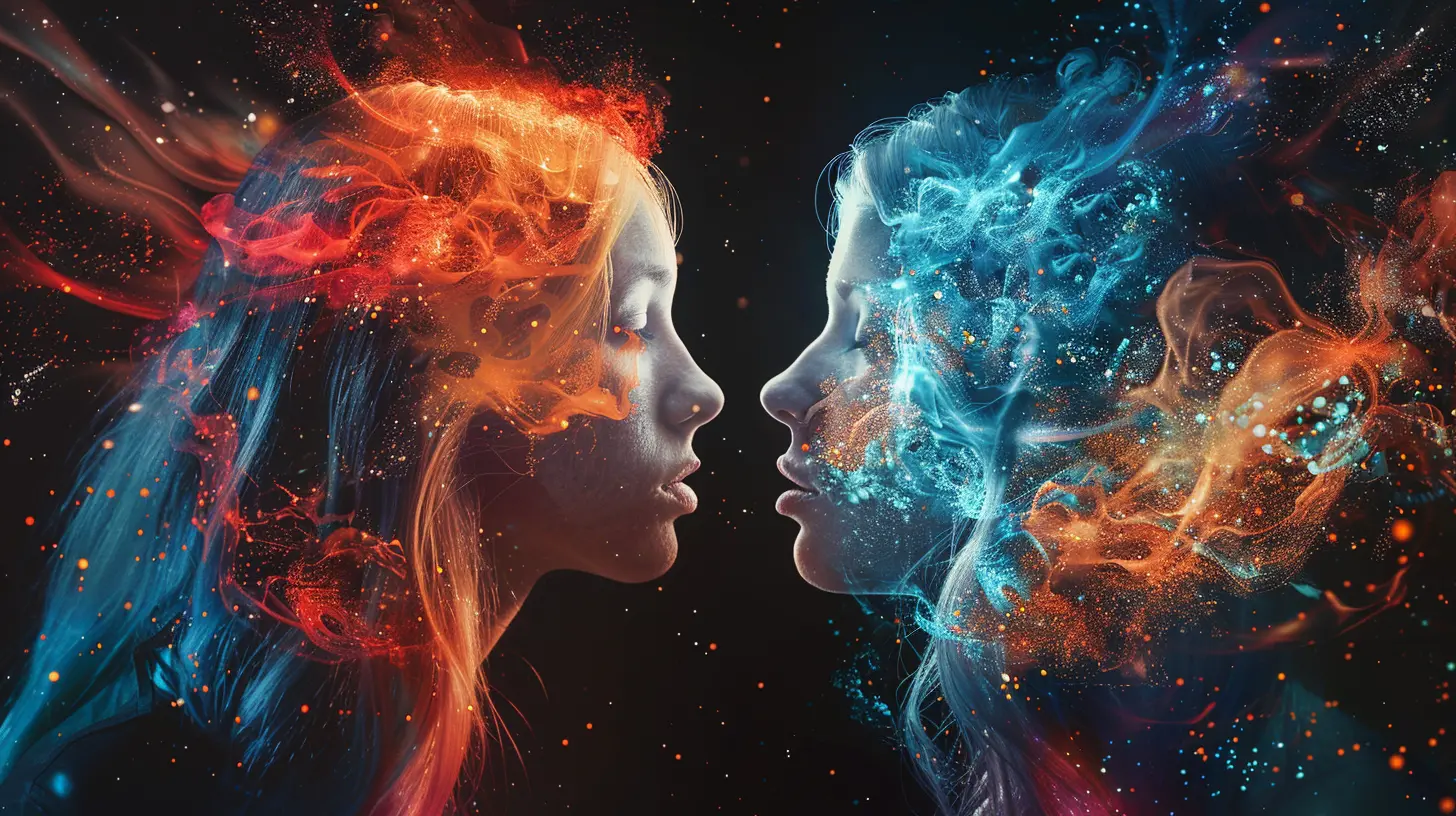
The Core Paradox: Pain That Does Not Threaten Us
The first thing to understand is that the pain we seek in art is not the same as the pain we experience in life. Psychologists often describe this as the difference between real threat and safe threat. When a relationship ends, the loss is real. Your brain treats it as a genuine threat to your social and emotional security. When you listen to a song about a breakup, the loss is simulated. You feel the emotion, but you are not actually losing anything.This distinction is crucial. The human brain responds to stories and music with real emotional systems, but it also maintains a background awareness that the experience is contained. You can close the book. You can stop the song. You can walk out of the theater. That sense of control changes everything about how the pain feels.
Think of it like a roller coaster. The drop is genuinely frightening. Your heart races, your palms sweat, your stomach lifts. But you know you are safe, and that knowledge transforms fear into thrill. Emotional art works the same way. It gives you access to intense feeling without the consequences that usually come with it. You can experience grief, longing, or regret and then return to your life intact.
This is why some people describe sad music as cathartic and others describe it as unbearable. The difference often lies in how much control they feel and how much real pain they are already carrying.
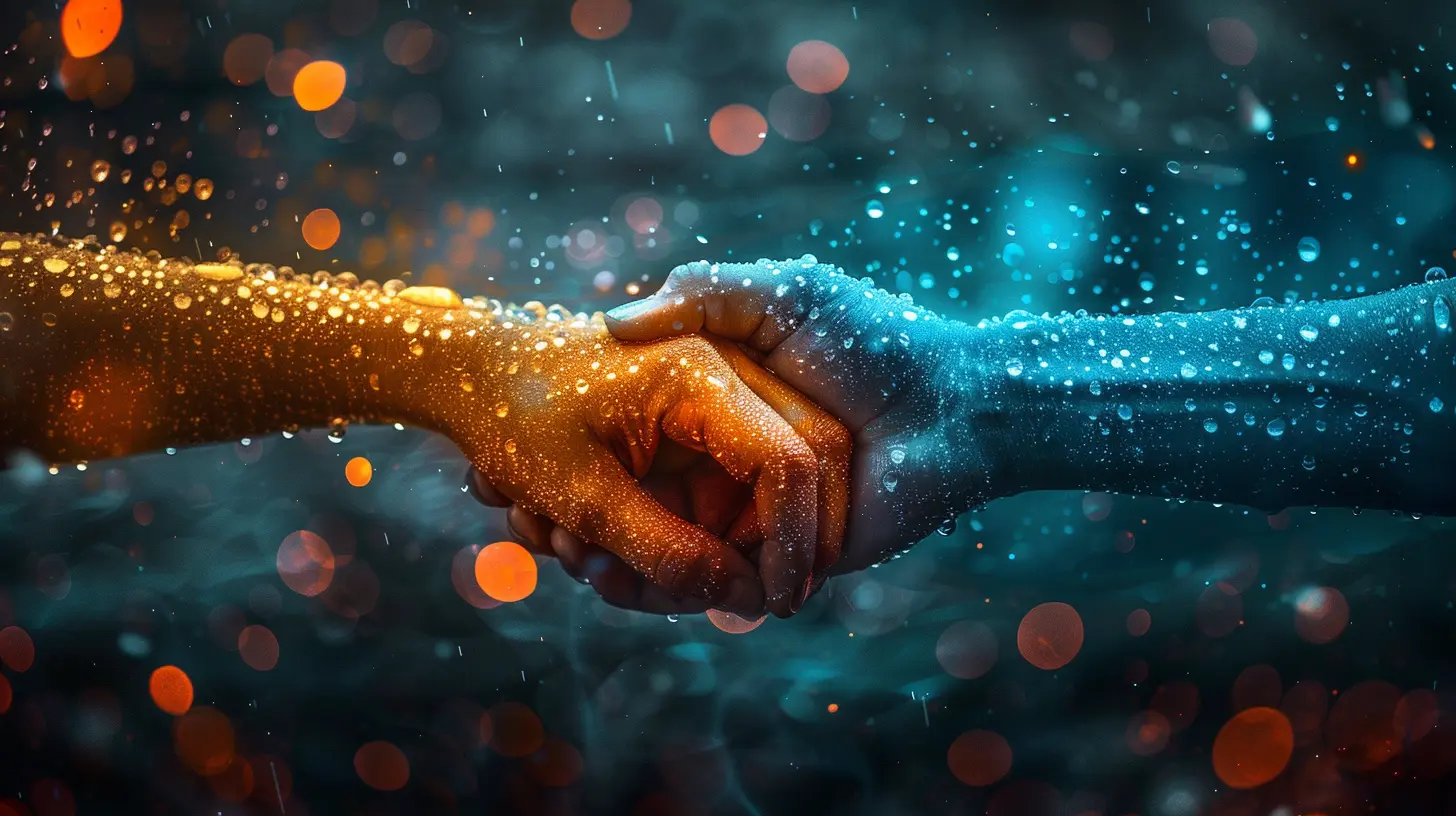
Why Sad Music Can Feel Good
The Role of Prolactin and Emotional Regulation
One line of research suggests that sad music may trigger the release of hormones associated with bonding and comfort. When we experience sadness in a safe context, the body may respond with soothing chemistry, producing a bittersweet state that feels meaningful rather than crushing. This helps explain why many people report that sad music makes them feel calm, not worse.The key phrase is safe context. If you are already overwhelmed, the same music can tip you into rumination instead of release. The body does not distinguish perfectly between real and imagined loss. It responds to what it perceives. So the setting, your current mental state, and your sense of control all shape whether the experience helps or harms.
Naming What You Cannot Say
Many people struggle to identify their own emotions. Psychologists call this alexithymia, and it exists on a spectrum. Some people feel things intensely but cannot put them into words. Art solves this problem. A song lyric, a film scene, or a painting can give shape to a feeling that was previously formless.This is one of the most practical functions of emotional art. It is not just about feeling something. It is about understanding what you feel. When a singer describes a specific kind of loneliness, you may suddenly recognize your own. That recognition is a form of clarity. Clarity reduces chaos, and chaos is often what makes pain unbearable.
Validation Without Judgment
There is a particular relief in hearing someone else express what you have been hiding. Shame thrives in silence. When a piece of art says the thing you were afraid to say, it removes some of that shame. You are no longer the only person who feels this way.This is why teenagers gravitate toward music that adults find melodramatic. The intensity matches their inner world, and the shared cultural space around that music provides validation. The same mechanism works for adults, though it often looks different. A person going through a divorce may find comfort in a film about separation. A person grieving a parent may return to a specific album for years.
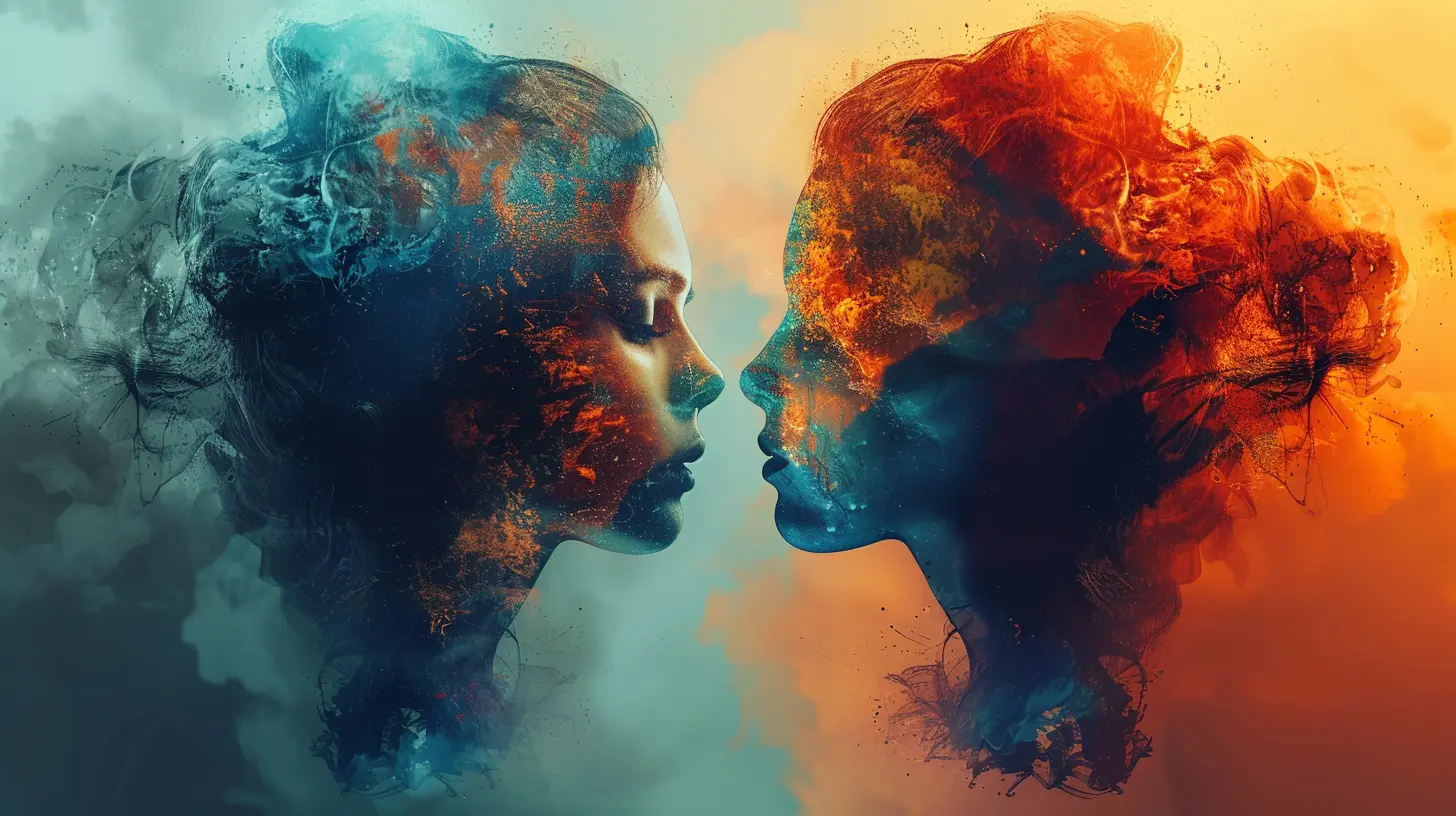
Art as a Container for Difficult Emotions
Why Metaphor Works Better Than Advice
When you are in pain, direct advice often fails. "Just move on." "It will get better." "You deserve someone who treats you well." These statements may be true, but they rarely land. They feel dismissive because they skip over the feeling itself.Art does the opposite. It stays with the feeling. A song does not tell you to cheer up. It sits with you in the dark. A painting does not offer a solution. It holds a mood. This is why art can reach people that conversation cannot. It meets them where they are instead of pulling them toward where they should be.
Metaphor also allows you to approach painful material indirectly. You can cry about a fictional character's loss without fully confronting your own. That distance makes the emotion manageable. Over time, repeated exposure can help you build tolerance for the underlying feeling.
The Difference Between Catharsis and Rumination
The idea that expressing emotion relieves it is ancient, but the research is mixed. Catharsis, in the simple sense of venting, does not reliably reduce anger or sadness. In some cases, it strengthens those feelings by rehearsing them.The distinction that matters is between processing and rehearsing. Processing involves moving through an emotion toward understanding or acceptance. Rehearsing involves circling the same feeling without change. Sad music can support either one, depending on how you use it.
If you listen to a sad song, cry, and feel lighter afterward, that is processing. If you listen to the same song on repeat for hours, feeling worse each time, that is rumination. The music is not the problem. The pattern is.
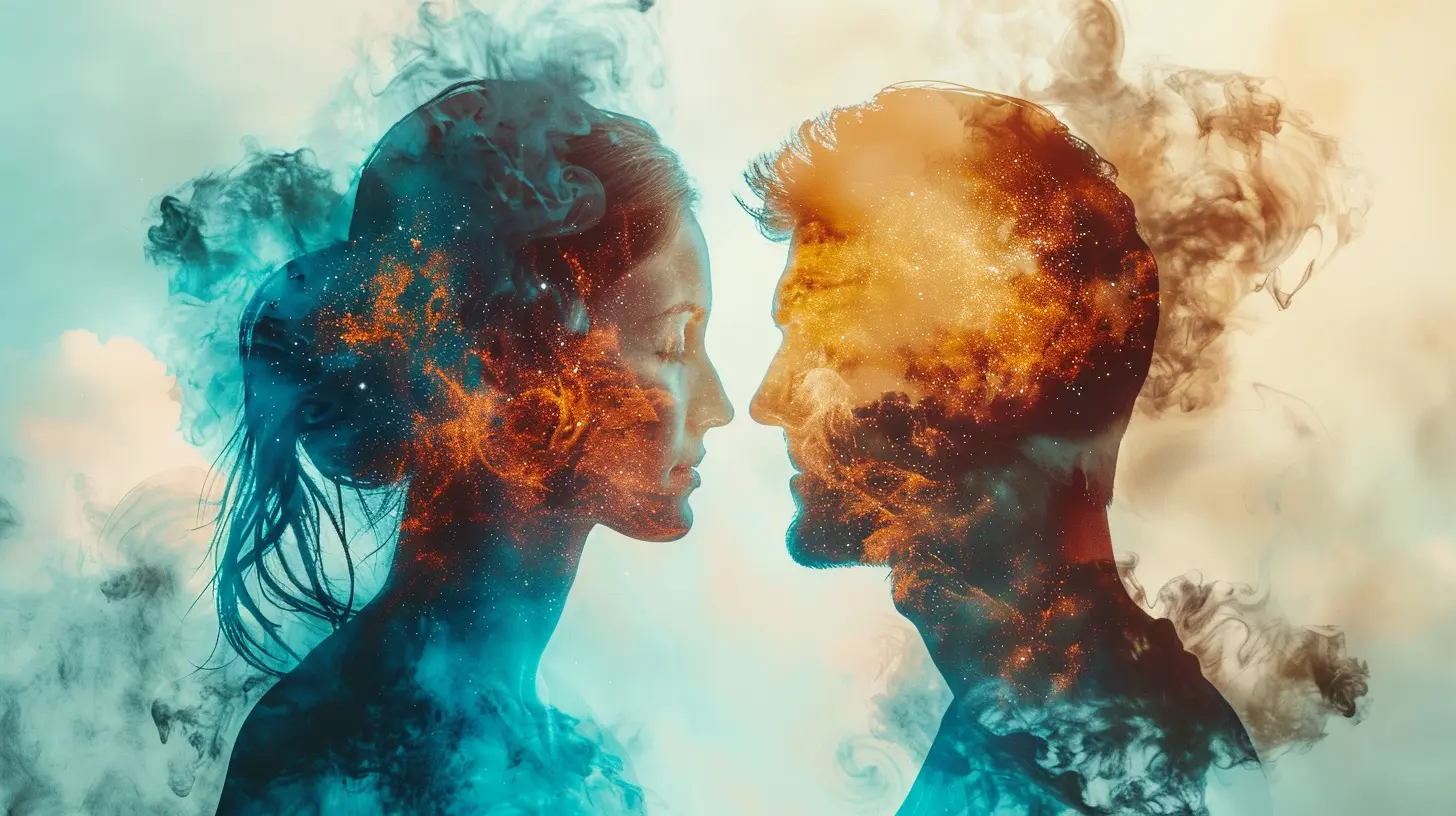
When Emotional Art Helps and When It Hurts
Helpful Use
Emotional art tends to help when:- You feel numb and need to reconnect with your feelings.
- You are grieving and want company in that grief.
- You are confused and need language for what you feel.
- You want to feel understood without having to explain yourself.
- You are in a stable enough place to return to your life afterward.
Harmful Use
Emotional art tends to hurt when:- You use it to avoid dealing with a real problem.
- You are already depressed and the art deepens hopelessness.
- You isolate yourself and use sad content as a substitute for connection.
- You replay the same painful material without any movement or relief.
- You use art to punish yourself or confirm a negative story about your life.
The same album can fall into either category depending on the person and the moment. This is why blanket advice like "sad music is good for you" or "sad music is dangerous" misses the point. Context decides.
Why We Return to Painful Art Across Cultures
Shared Humanity and Collective Grief
Every culture has its own traditions of painful art. Blues, fado, flamenco, requiems, laments, and elegies appear across the world. This is not coincidence. Pain is universal, and art is one of the few tools we have for sharing it.Collective grief rituals often use music and story to hold emotions that individuals cannot carry alone. A funeral hymn does not try to make people happy. It gives them a container for sorrow. The shared experience reminds mourners that they are part of something larger than their own loss.
Beauty as a Counterweight
Painful art is rarely only painful. It usually contains beauty, craft, or meaning. A tragic film may be visually stunning. A sad song may have a melody that lifts you even as the lyrics cut deep. This combination is powerful. It suggests that pain and beauty can coexist, and that suffering does not erase meaning.This is one of the most important functions of art. It does not deny pain. It frames pain inside something larger. That framing is what makes the experience bearable and sometimes even transformative.
The Psychology of Aesthetic Sadness
Why Some People Seek It More Than Others
Not everyone enjoys sad art. Some people avoid it entirely. Personality, life experience, and current mood all play a role. People high in openness to experience tend to enjoy aesthetic sadness more. People who are already prone to rumination may be more vulnerable to its negative effects.There is also a cultural dimension. Some cultures treat sadness as something to be expressed and shared. Others treat it as something to be suppressed. These norms shape what kind of art people seek and how they use it.
The Difference Between Liking Sad Art and Being Sad
It is important to separate two things. Liking sad art does not mean you are depressed. Many psychologically healthy people enjoy tragedy, melancholy, and sorrow in art. In fact, the ability to tolerate sad feelings in a safe context is often a sign of emotional flexibility.Being sad, on the other hand, is a state. If you are sad and you use art to process that sadness, that can be healthy. If you are sad and you use art to sink deeper into hopelessness, that is a warning sign. The art is not the cause. It is a tool, and tools can be used well or poorly.
Common Misconceptions
Misconception One: Sad Art Makes People Depressed
This is the most common fear, and it is mostly unfounded. Sad art does not create depression. Depression is a complex condition with biological, psychological, and social causes. Sad art can intensify symptoms in someone who is already depressed, but it does not cause the condition.Misconception Two: Enjoying Sad Art Means Something Is Wrong With You
Many people worry that their taste in sad music or films reveals a hidden problem. It usually does not. Enjoying aesthetic sadness is a normal part of human emotional life. It reflects a capacity to engage with complex feelings, not a defect.Misconception Three: Catharsis Always Works
The idea that venting emotion always relieves it is outdated. Emotional expression can help, but it depends on how it is done. Processing works. Rehearsing does not. The difference is whether the emotion moves or stagnates.Misconception Four: You Should Only Consume Positive Content
Some people try to avoid all painful art in the name of mental health. This can backfire. Avoiding sadness does not make it go away. It often makes it harder to recognize and regulate when it appears in real life. Sad art can be a safe place to practice sitting with difficult feelings.
Practical Guidance: How to Use Emotional Art Well
Check Your State Before You Engage
Ask yourself what you are feeling right now. Are you tired, lonely, angry, numb, or calm? Your starting point shapes what the art will do to you. If you are already on the edge, a heavy film may push you over. If you are numb, a sad song may help you thaw.Notice Whether You Are Processing or Rehearsing
Pay attention to what happens after you engage. Do you feel lighter, clearer, or more connected? Or do you feel heavier, more hopeless, or stuck? If it is the latter, take a break. Switch to something else. Talk to someone.Use Art as a Bridge, Not a Destination
Art is most useful when it connects you to something else. It can connect you to your own feelings, to other people, or to a sense of meaning. It is least useful when it becomes a place to hide. If you find yourself using sad art to avoid your life, that is worth examining.Pair It With Action
If you use sad music to process a loss, consider what you will do afterward. Call a friend. Write in a journal. Take a walk. The art opens the door, but you still have to walk through it.Be Honest About Your Patterns
If you notice that you consistently feel worse after engaging with certain art, that is information. It does not mean the art is bad. It means it is not right for you right now. Respect that.Trade-Offs and Nuance
There is no universal rule about emotional art. Some people benefit from leaning into sadness. Others benefit from steering away from it. Some use art to connect. Others use it to isolate. The same piece can serve different purposes at different times.The most useful stance is curiosity. Instead of asking whether sad art is good or bad, ask what it is doing for you right now. That question keeps you honest and gives you room to adjust.
Best Practices for Artists and Creators
If you create emotional art, whether music, writing, film, or visual work, understanding this psychology matters. Your audience is not passive. They bring their own histories, moods, and needs. The same piece that comforts one person may unsettle another.The best emotional art does not manipulate. It does not exploit pain for shock value. It holds pain with care. It offers beauty, meaning, or companionship alongside the difficulty. It leaves room for the audience to breathe.
This is why the most enduring sad art tends to have a kind of dignity. It does not wallow. It witnesses. It says, this happened, and it mattered, and you are not alone in knowing it.
Final Thoughts
We seek emotional pain in music and art because it does something real for us. It gives shape to feelings we cannot name. It offers company in loneliness. It turns raw suffering into something with form and meaning. It lets us feel deeply without being destroyed.But it is not automatically good for us. Like any powerful tool, it can help or harm depending on how we use it. The difference lies in awareness. If you know what you are feeling, why you are engaging, and what happens afterward, you can use art to process, connect, and heal. If you lose track of those things, art can become another way to stay stuck.
The next time a sad song pulls you in, pause for a moment. Ask what it is offering you. You may find that it is not the pain you are seeking. It is the understanding, the beauty, or the company that comes with it.
all images in this post were generated using AI tools
Category:
Emotional RegulationAuthor:
Paulina Sanders