AI: A Reflection of Our Humanity
May 7, 2025 - 23:16
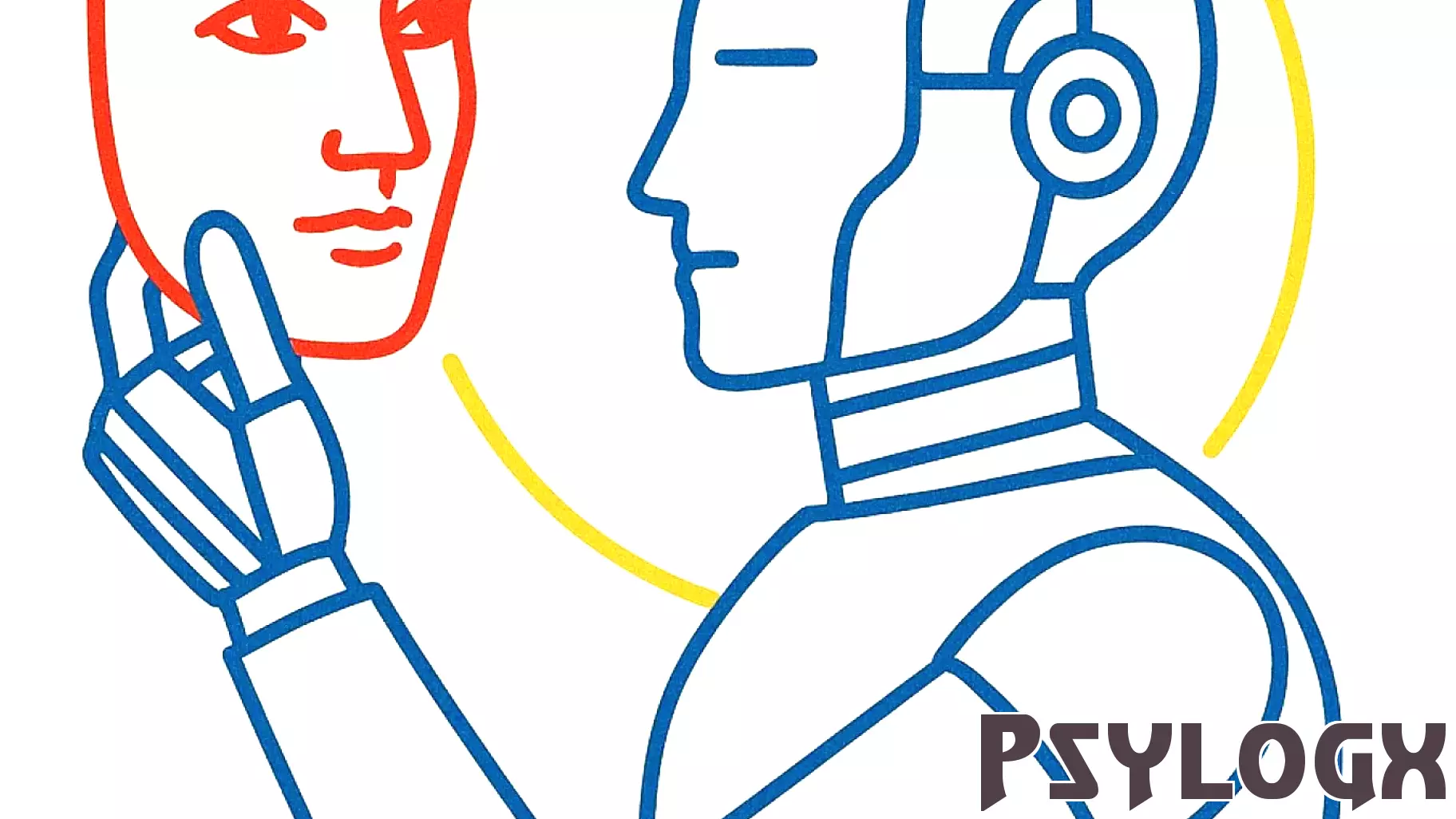
Artificial Intelligence is not merely a technological advancement; it serves as a mirror, reflecting our values, capabilities, and the essence of what it means to be human. As AI systems become increasingly integrated into various aspects of our lives, they challenge us to confront our own agency and decision-making processes. Rather than seeing AI as a replacement for human labor and creativity, we should view it as a catalyst for self-examination.
This emerging technology prompts us to ask critical questions about our roles in society, our ethical responsibilities, and our emotional intelligence. The way we interact with AI can reveal our strengths and weaknesses, highlighting areas where we may need to grow. As we navigate this complex relationship, it becomes essential to embrace our humanity fully. The evolution of AI is not just about technological progress; it is also about reaffirming our commitment to the values that define us as individuals and as a society.
MORE NEWS

November 18, 2026 - 05:14
The Limits of Perfect Tonality in Sales TechniquesJordan Belfort`s voice agents claim to enhance sales efficiency through perfect tonality, yet a recent field study uncovers significant psychological barriers that this approach may not address....

November 17, 2026 - 15:15
Ambition and Whiskies: Insights from Vaughan OwenVaughan Owen, a notable figure in the advertising world, has been making waves with his unique approach to ambition and success. After co-founding OwenKessel in South Africa, which was acquired by...

November 16, 2026 - 21:44
Do Holiday Deals Actually Save You Money?A marketing expert at Binghamton University, State University of New York, sheds light on how retailers leverage psychological tactics to boost sales during the holiday shopping season. As Black...

November 16, 2026 - 11:09
The Normalcy of Imaginary Friends in ChildhoodWe all remember our first friends, the ones who we took everywhere with us. They were always there for us to play and chat with. A recent study highlights that about 65 percent of children have...