Costco Brings Out the Worst in People and Psychology Explains Why
May 8, 2026 - 00:31
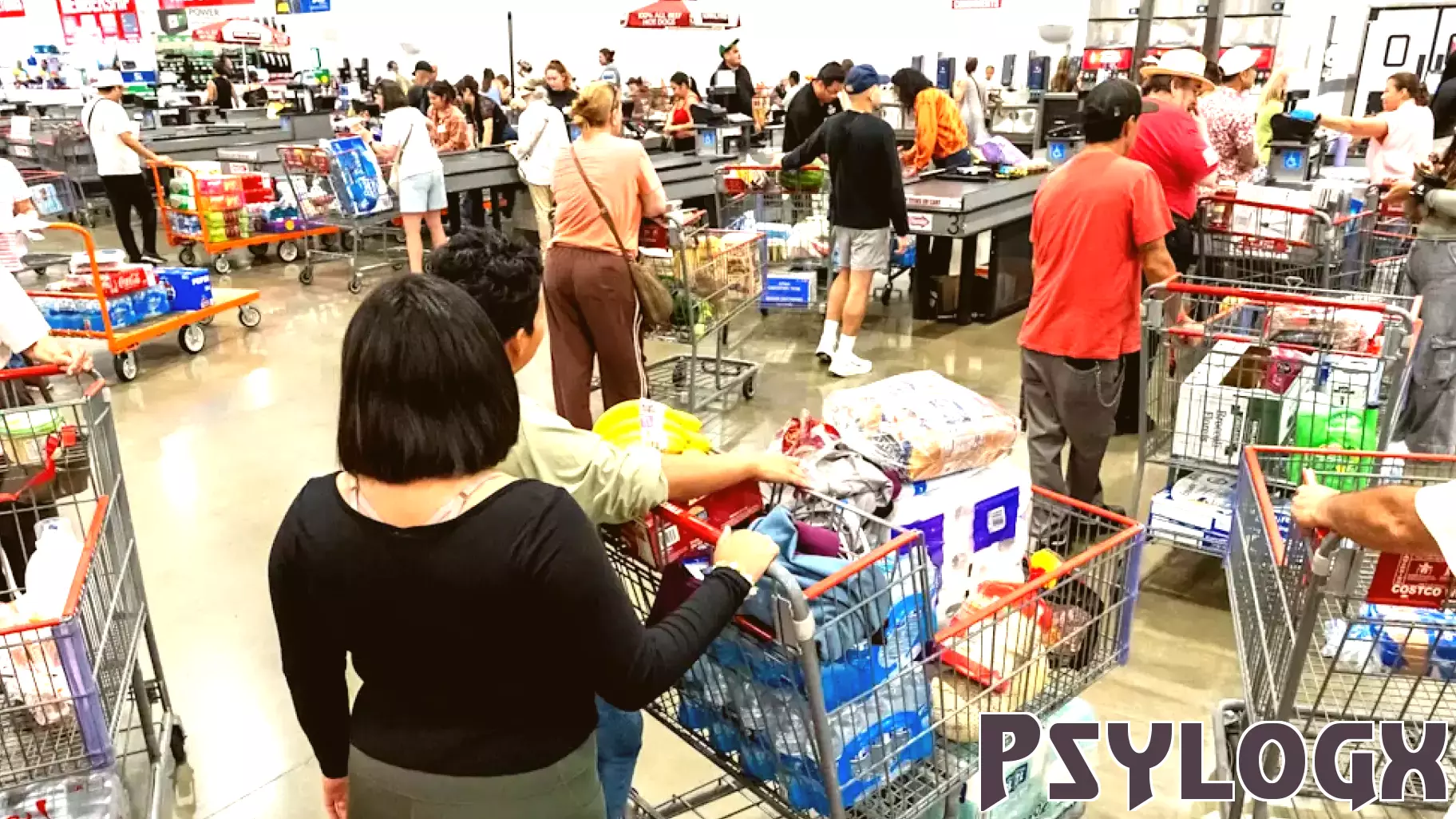
The aisles of Costco are a peculiar battleground. Normally polite people abandon all social grace the moment they grab a shopping cart. They block entire lanes with their oversized carts, cut off other shoppers without a glance, and hover around sample stations like vultures waiting for a fresh tray of mini quiches. It is a phenomenon so common that it has become a meme, but psychology suggests there is real science behind the chaos.
One major factor is the "scarcity mindset." Costco thrives on limited-time deals and bulk quantities. When a shopper sees a pallet of discounted electronics or the last box of protein bars, the brain kicks into survival mode. The fear of missing out triggers a competitive, almost primal urge to grab first and ask questions later. This is amplified by the store's layout, which is designed to funnel everyone into a single, winding path. The result is a traffic jam of impatience where the end goal is the checkout line, not the shopping experience.
Another key element is "deindividuation." In a massive warehouse filled with hundreds of strangers, people feel anonymous. They lose their sense of individual responsibility. The same person who holds the door for a neighbor at home will let the warehouse door slam in your face. The sample station is ground zero for this effect. The free food creates a temporary state of entitlement, where the usual rules of waiting your turn vanish. It is a small, low-stakes version of the "tragedy of the commons" -- everyone wants the sample, but no one wants to maintain the system that provides it.
Finally, the sheer size of the carts plays a role. A standard shopping cart is a passive tool. A Costco cart is a battering ram. It extends the shopper's personal space by several feet, creating a psychological barrier. People become less aware of others because they are navigating a vehicle, not their own body. This "cart-induced entitlement" makes it easy to block an aisle while comparing two jars of pickles. The cart becomes an extension of the ego, and in a crowded warehouse, that ego is easily bruised.
So the next time you see a shopper abandon their cart to sprint for a free sausage sample, remember: it is not just bad manners. It is a perfect storm of scarcity, anonymity, and oversized shopping equipment. Costco does not bring out the worst in people. It simply reveals what happens when our lizard brains meet a 10-pound bag of cheese.
MORE NEWS

September 25, 2026 - 06:43
Federal panel recommends suspending American Psychological Association’s accreditation authorityA federal advisory panel has recommended that the American Psychological Association temporarily lose its authority to accredit doctoral training programs. The recommendation follows mounting...

September 24, 2026 - 22:17
Weight Stigma and Cultural Attitudes Shape Personal Well-BeingA person`s body size or type, and how well it conforms with society`s expectations, can be a source of stress in many cultures. University of Mississippi psychologists examined how people`s...

September 24, 2026 - 18:04
Sober Living Facility Where Presley Gerber Died Was Run by Psychologist With Suspended LicenseThe sober living home where Presley Gerber died was not required to hold a state license in California, and the psychologist who opened the facility had already lost his professional license before...

September 24, 2026 - 00:45
Why Always Being 10 Minutes Early May Signal Hidden AnxietyPeople who habitually show up ten minutes early for everything often get praised for discipline and reliability. New research suggests something else may be driving the behavior, and it is not...