Discover Your Hidden Emotions Through Dress Color Choices
July 19, 2025 - 21:26
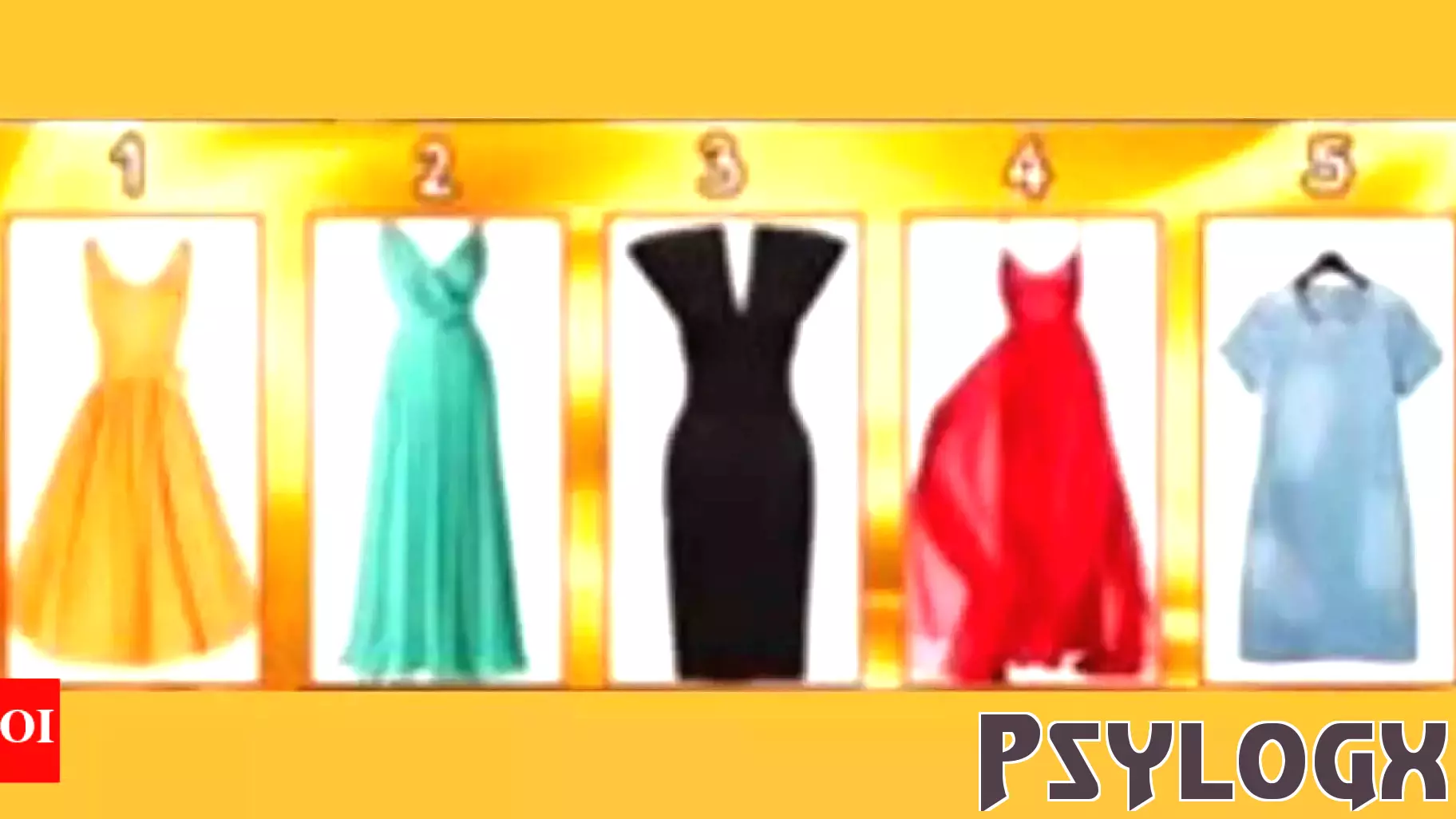
A recent psychological test shared by Marina Winberg on social media invites individuals to explore their personality traits based on their dress color preferences. This intriguing test suggests that the colors we are drawn to can reveal significant insights into our emotional states and character.
Participants are encouraged to choose a dress from a selection of colors, each associated with different psychological meanings. For instance, a preference for red may indicate passion and energy, while blue could suggest calmness and stability. The test aims to foster self-reflection and provide a fun way to engage with one's inner thoughts and feelings.
While the test is not scientifically validated or intended to serve as a diagnostic tool, it has sparked interest among users looking to better understand themselves. This playful approach to psychology encourages individuals to consider how their choices in color might reflect deeper aspects of their personality, making it a captivating topic for discussion and exploration.
MORE NEWS

November 23, 2026 - 01:54
The Habit of Saving the Best Bite: A Lesson in Delayed GratificationSaving the best bite for last is a common eating habit that mirrors the concept of delayed gratification, a principle explored in psychological studies like the famous marshmallow test. This test,...

November 22, 2026 - 06:21
The Hidden Challenges of LeadershipBy Michael DeGrosky During my time as a graduate student in leadership studies, I noticed a common trend among faculty. They reserved the term `leader` for individuals who engaged in positive and...
November 21, 2026 - 19:23
Family Dynamics: Understanding Women's Choices in CommunicationThe family notices a shift when women in their later years begin to prioritize their own needs over constant communication. Instead of recognizing this change as a healthy boundary, family members...

November 21, 2026 - 03:12
Why Some Conversations Haunt UsA conversation may last five minutes, but your mind can keep revisiting it for hours. Psychologists call this rumination, a repetitive thinking pattern that can turn ordinary interactions into a...