Emotion Beliefs and Well-being
March 27, 2026 - 06:56

We don’t just feel our emotions. Whether we realize it or not, there are tales we tell ourselves about them. These are known as “emotion beliefs,” and emerging research suggests they are powerful drivers of our psychological well-being.
These deeply held beliefs answer personal questions: Are emotions uncontrollable forces, or can they be shaped? Is anger dangerous, or a signal for change? Viewing emotions as helpful and manageable, rather than harmful and fixed, creates a significant advantage. Individuals with these adaptive beliefs tend to experience less depression and anxiety, demonstrating greater resilience during stress. They are more likely to engage in healthy emotional regulation, approaching difficult feelings with curiosity instead of fear.
This understanding shifts the focus from merely changing how we feel to examining what we think about our feelings. It suggests that cultivating a more accepting and flexible mindset toward our emotional experiences can be a foundational step toward improved mental health. By recognizing and gently challenging our own emotion narratives, we open the door to greater emotional agility and overall well-being.
MORE NEWS
September 24, 2026 - 22:17
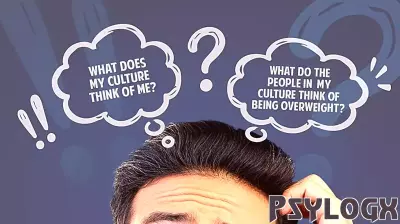
Weight Stigma and Cultural Attitudes Shape Personal Well-BeingA person`s body size or type, and how well it conforms with society`s expectations, can be a source of stress in many cultures. University of Mississippi psychologists examined how people`s...

September 24, 2026 - 18:04
Sober Living Facility Where Presley Gerber Died Was Run by Psychologist With Suspended LicenseThe sober living home where Presley Gerber died was not required to hold a state license in California, and the psychologist who opened the facility had already lost his professional license before...

September 24, 2026 - 00:45
Why Always Being 10 Minutes Early May Signal Hidden AnxietyPeople who habitually show up ten minutes early for everything often get praised for discipline and reliability. New research suggests something else may be driving the behavior, and it is not...

September 23, 2026 - 11:41
The Science Behind Why We Smell Books Before Reading ThemHave you ever noticed that whenever we pick up a book, whether it is a novel or a new set our parents bought at the start of the school year, our first instinct is to bury our noses in the pages...