Exploring the Connection Between Color and Emotion Over 128 Years
January 15, 2025 - 04:44
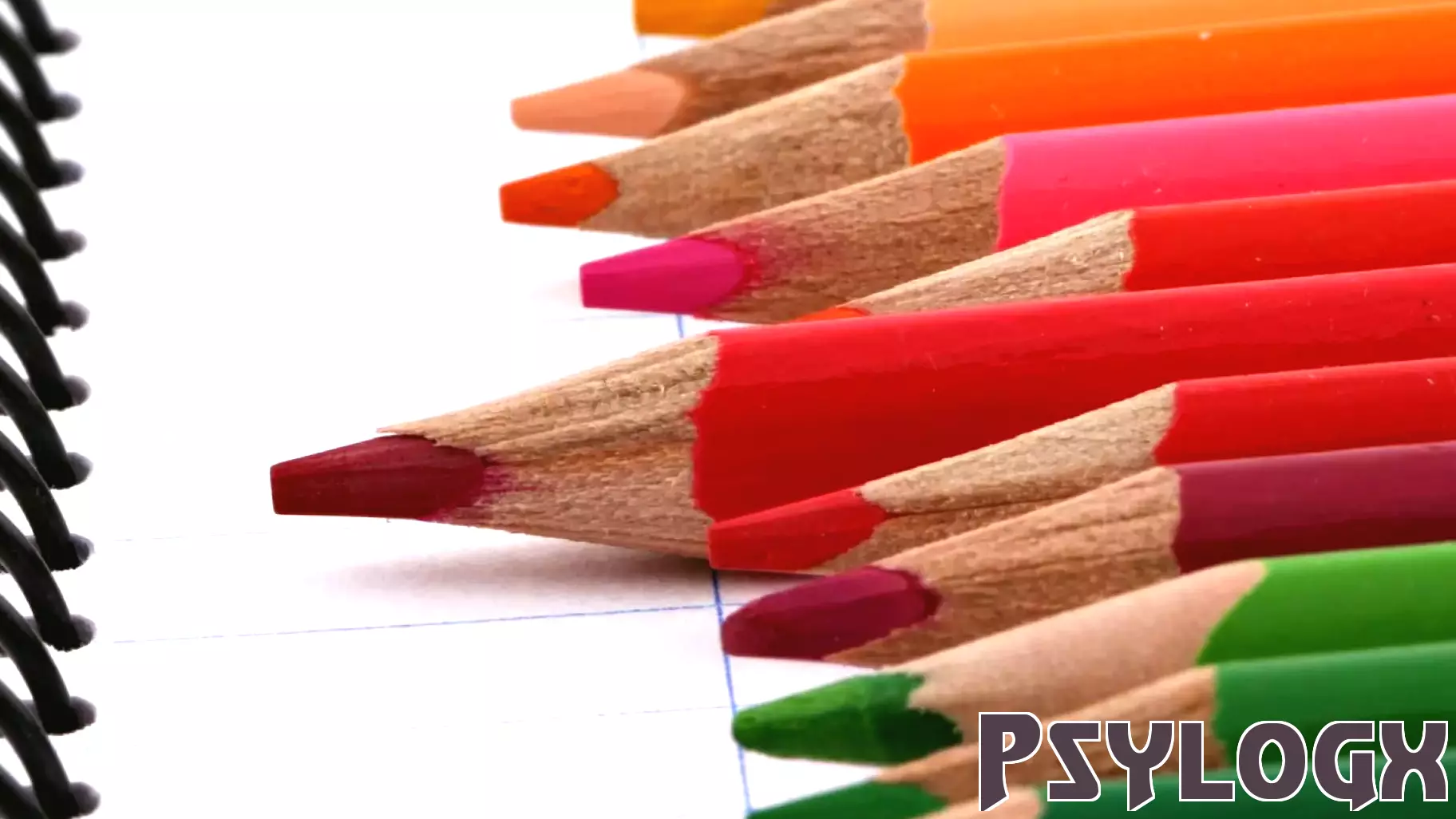
A recent analysis delving into the intricate relationship between colors and human emotions has revealed significant consistencies across cultures and time. Researchers examined 132 peer-reviewed studies, encompassing over 40,000 participants from 64 different countries, to understand how individuals associate specific colors with various emotional states.
The findings highlight that despite cultural differences, there are remarkable parallels in how people perceive colors and the emotions they evoke. For instance, colors like blue often correspond to feelings of calmness and tranquility, while red is frequently linked to excitement or anger.
This extensive research not only sheds light on the universal aspects of color-emotion connections but also emphasizes the psychological and cultural factors that shape these associations. The results could have implications for fields such as marketing, design, and mental health, where understanding emotional responses to color can enhance communication and well-being. As the study spans over a century, it underscores the enduring nature of these color-emotion correspondences in human experience.
MORE NEWS

November 23, 2026 - 01:54
The Habit of Saving the Best Bite: A Lesson in Delayed GratificationSaving the best bite for last is a common eating habit that mirrors the concept of delayed gratification, a principle explored in psychological studies like the famous marshmallow test. This test,...

November 22, 2026 - 06:21
The Hidden Challenges of LeadershipBy Michael DeGrosky During my time as a graduate student in leadership studies, I noticed a common trend among faculty. They reserved the term `leader` for individuals who engaged in positive and...
November 21, 2026 - 19:23
Family Dynamics: Understanding Women's Choices in CommunicationThe family notices a shift when women in their later years begin to prioritize their own needs over constant communication. Instead of recognizing this change as a healthy boundary, family members...

November 21, 2026 - 03:12
Why Some Conversations Haunt UsA conversation may last five minutes, but your mind can keep revisiting it for hours. Psychologists call this rumination, a repetitive thinking pattern that can turn ordinary interactions into a...