Fathali Moghaddam, a Georgetown University psychology professor, published a book on intergroup relations theory Sept. 4.
September 5, 2026 - 00:33
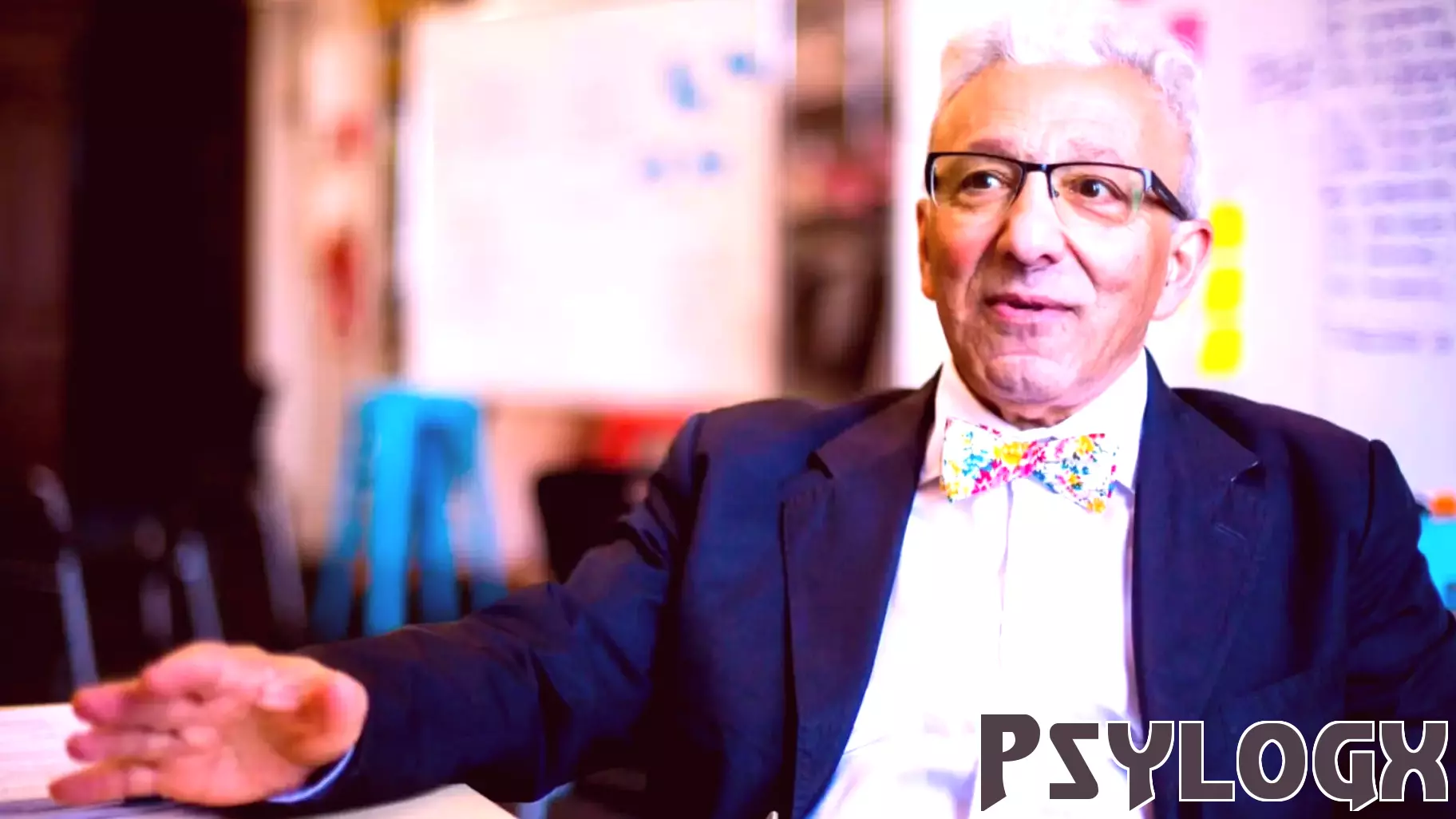
Georgetown University psychology professor Fathali Moghaddam released a new book on September 4 that digs into the mechanics of how groups form boundaries, interpret each other, and justify exclusion. The work, grounded in intergroup relations theory, looks beyond surface-level tensions to ask why humans so readily split the world into "us" and "them."
Moghaddam, known for his research on radicalization and political psychology, shifts focus here to everyday dynamics. He argues that group identity is not just about shared traits but about shared narratives. Those narratives, he says, often turn outsiders into threats without any direct evidence. The book draws on examples from multiple countries, showing that the psychological patterns behind exclusion look similar whether in classrooms, workplaces, or national politics.
One central idea is that groups do not simply react to differences. They actively interpret those differences through lenses shaped by history, power, and fear. Moghaddam suggests that even well-meaning groups can fall into patterns of moral exclusion, where certain people are seen as outside the scope of fairness or care. He ties this to broader questions about how societies manage diversity without sliding into hostility.
The book also offers a practical angle. Moghaddam does not just describe problems. He points to ways groups can reframe their narratives to include rather than reject. That includes acknowledging past wrongs and creating shared goals that cut across identity lines. While he stops short of offering a simple fix, he argues that awareness of these psychological mechanisms is a first step toward more inclusive communities.
Early reviews note that the book is accessible despite its academic roots. Moghaddam writes with clarity, using case studies and everyday examples to illustrate theory. For anyone trying to understand current social divisions, this release comes at a timely moment. The book is now available through standard academic and trade channels.
MORE NEWS
October 20, 2026 - 04:33
A Lifelong Connection: Psychology Professor Eli Finkel's Enduring Ties to NorthwesternWhen psychology Prof. Eli Finkel (Weinberg `97) invited his then-girlfriend over to his apartment as a Northwestern student, he said he often found himself keeping her at a distance. Finkel said he...

October 19, 2026 - 04:51
How Witches, Batman and Spider-Man Can Help You Win CustomersCustomers are drawn to products that balance familiarity and recognition with a fresh twist that sparks curiosity and connection. That idea sits at the heart of some of the most successful...

October 18, 2026 - 00:28
Why Pushing Through Burnout Won't Fix a Broken SystemExhaustion is often treated as a personal failing, something to be corrected with better habits or a tougher mindset. But the question worth asking is not what is wrong with you. It is what is...
October 17, 2026 - 03:18
Why a Reverse Bucket List Can Make You Happier Than Chasing GoalsA happiness researcher is suggesting that people stop focusing so much on the future and instead look back at what they have already done. The idea is called a reverse bucket list, and it works in...