Got Heat? Cold? Wildfires? Droughts? Hurricanes?
July 11, 2026 - 06:56

The headlines are relentless. Record-breaking heat waves bake entire continents. Unprecedented cold snaps freeze power grids. Wildfires turn neighborhoods to ash. Droughts drain reservoirs and ruin crops. Hurricanes gain strength overnight and wash away coastlines. The evidence of a changing climate is no longer a distant forecast; it is a present, cascading reality.
Yet, a strange silence persists. Many people still avoid talking about the root cause. They change the subject. They scroll past the warnings. Psychologists call this "climate doom" or "attention fatigue." The problem is not a lack of information. It is a struggle to process the scale of the threat without feeling overwhelmed. The human brain, wired to react to immediate danger, often shuts down when faced with a slow-moving, global crisis.
This avoidance is dangerous. It creates a gap between what scientists know and what the public is willing to act on. While the planet sends clear signals, conversations stall. People worry about the cost of solutions or the political divisions the topic creates. They wait for a single, perfect fix that does not exist.
The truth is that paying attention is the first step. It does not require panic. It requires a steady, honest look at the world as it is. The fires, floods, and freezes are not just weather events. They are symptoms. Ignoring them will not make them stop. The only way forward is to look, to talk, and to move.
MORE NEWS

October 9, 2026 - 03:44
Czech Child Psychology Center Sees Tenfold Surge After Insurance DealsA Czech child psychology center known as Kind Place has experienced a dramatic spike in demand, with inquiries jumping tenfold within a single week. The surge followed the announcement of contracts...

October 8, 2026 - 03:35
New Research Confirms Pygmalion Effect Boosts Confidence in ChildrenA recent study has provided fresh evidence that the expectations adults hold for children can shape how those children see themselves. The research centers on a phenomenon known as the Pygmalion...

October 7, 2026 - 02:21
Forensic Psychology Crucial To National Security, Justice – NAFPThe Nigerian Association of Forensic Psychologists has highlighted the critical role the field plays in supporting national security and the justice system. The association`s president, Dr David...
October 6, 2026 - 10:42
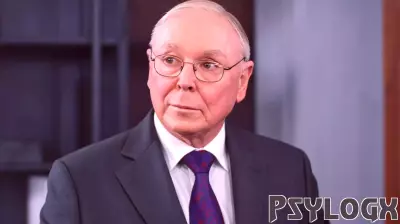
Why Charlie Munger's Psychology Lessons Arrive Too Late for Most PeopleCharlie Munger spent decades studying why smart people make terrible decisions. He had a front-row seat to Warren Buffett`s decision-making as his partner at Berkshire Hathaway, and he used that...