I Stopped Multi-Tasking and This Is What Happened
March 15, 2026 - 13:39
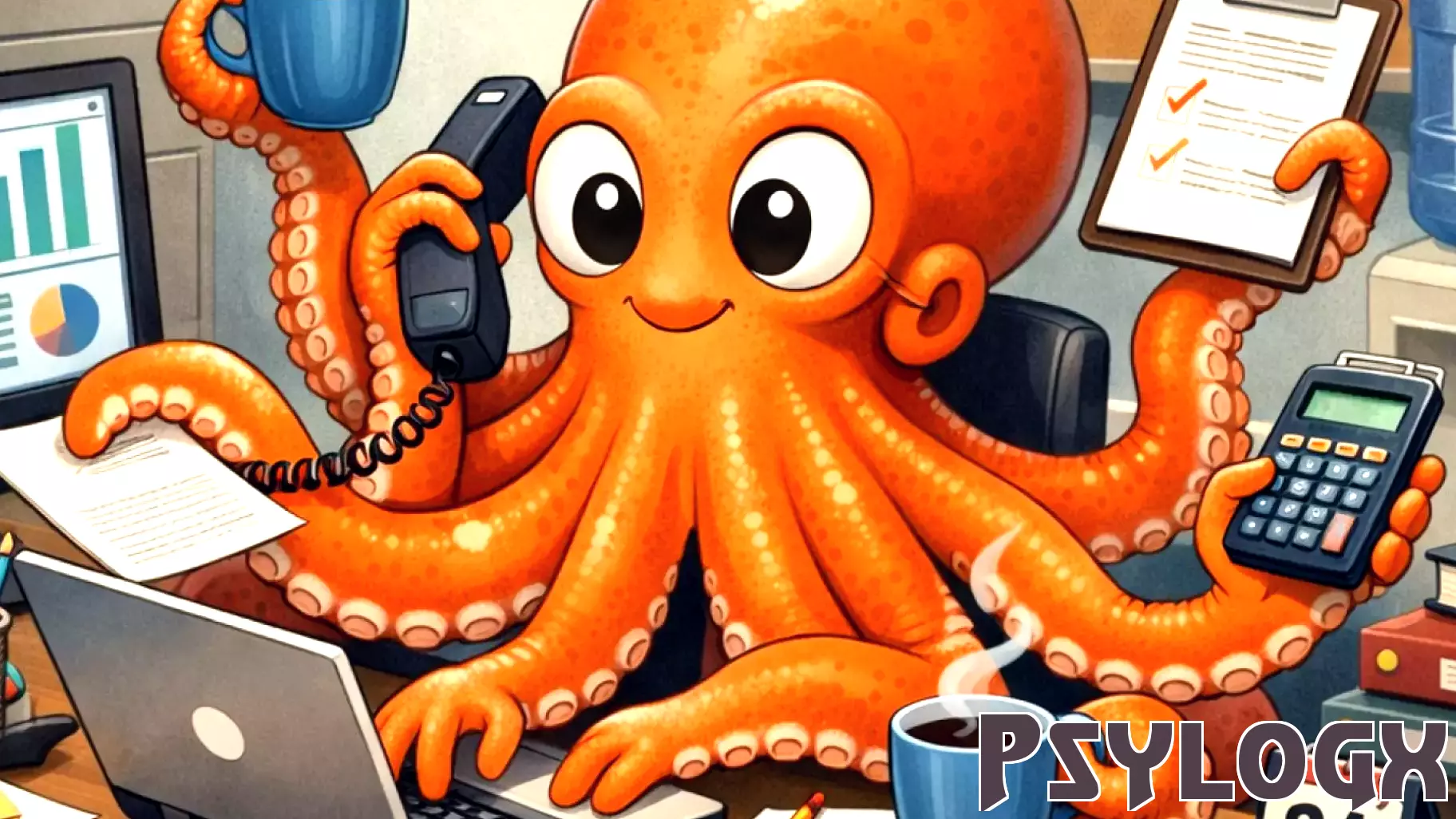
For years, I wore my ability to juggle multiple tasks as a badge of honor. I would answer emails during meetings, draft reports while on calls, and constantly switch tabs in a frantic dance of productivity—or so I thought. The reality was a persistent undercurrent of stress, a lack of deep focus, and work that was merely adequate, not excellent.
My decision to stop multitasking was transformative. The most immediate change was a dramatic increase in my concentration. By dedicating my full attention to one task at a time, I entered a state of flow more easily. Projects that once felt overwhelming became manageable, and my comprehension and retention of information improved significantly.
This singular focus directly reduced my stress levels. The mental clutter and constant context-switching had been a significant drain. With a clear, prioritized list and a commitment to single-tasking, the anxiety of dropping balls vanished. My workdays felt more controlled and deliberate.
Perhaps most rewarding was the noticeable improvement in the quality of my output. The work I produced was more thoughtful, contained fewer errors, and demonstrated greater creativity. By giving each task the space it deserved, I was no longer just completing work; I was doing it well. The myth of multitasking as an efficiency tool has been彻底 shattered for me, replaced by the profound power of focused attention.
MORE NEWS

October 26, 2026 - 19:14
Why Flawed Psychology Studies Still Shape How We Think About Human BehaviorA new Netflix series has brought the Stanford prison experiment back into public conversation, raising fresh questions about why controversial psychology research continues to hold such a powerful...

October 26, 2026 - 12:35
Why Your Brain Replays Work Conversations and How to Break the LoopYou finish a meeting, return to your desk and try to get on with the day. But your mind keeps going back to one moment. Maybe it was a comment you made, a pause that felt too long, or a look you...

October 25, 2026 - 22:29
How Anger and Fear Shape Preferences for Different Leader FacesWhich face looks like the right leader may depend on how a political issue makes you feel. New research suggests that emotions play a meaningful role in shaping the kind of leader voters are drawn...

October 24, 2026 - 20:42
Brain Health Moves Beyond Aging ConcernsBrain health is no longer a topic reserved for older adults. A shift in public awareness is changing how people think about cognitive well-being, with growing attention to nutrition, daily habits,...