Innovative Initiative Aims to Support Veterans with PTSD
October 26, 2025 - 12:26
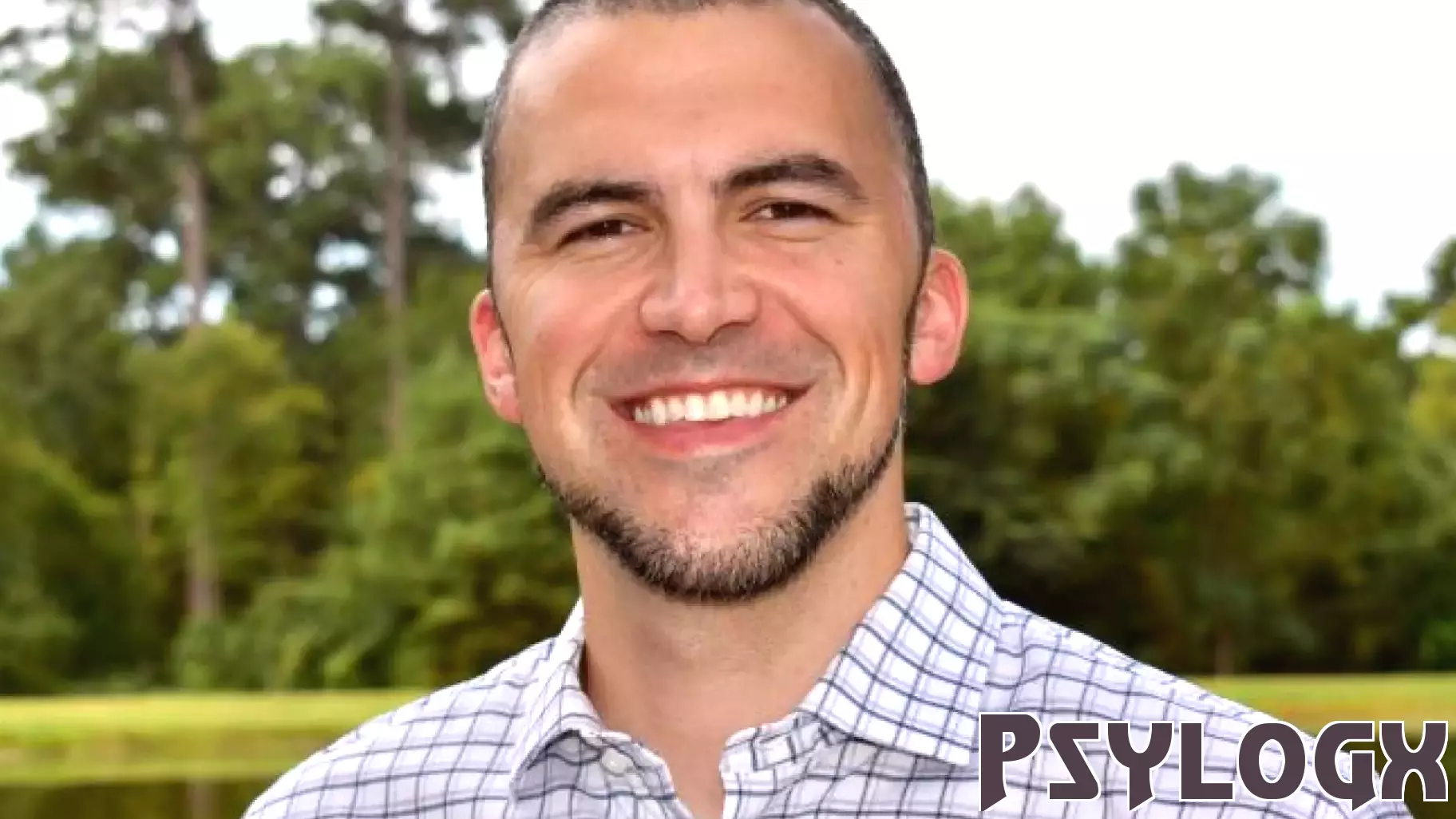
An East Texas college professor is making strides to enhance the well-being of veterans dealing with PTSD, thanks to significant funding from the U.S. Department of Veterans Affairs. Dr. Adam McGuire, an associate professor of psychology at the University of Texas at Tyler, has been awarded a $1.2 million merit grant to develop a project focused on this critical issue.
The initiative aims to provide veterans with alternative therapeutic approaches to manage their symptoms effectively. Dr. McGuire's project will explore various innovative strategies that go beyond traditional methods, seeking to create a more tailored and impactful treatment experience for those who have served the country.
With a growing recognition of the mental health challenges faced by veterans, this funding represents a vital step toward addressing PTSD in this population. Dr. McGuire's work not only underscores the importance of mental health support for veterans but also highlights the commitment of educational institutions to contribute positively to their communities.
MORE NEWS

November 23, 2026 - 01:54
The Habit of Saving the Best Bite: A Lesson in Delayed GratificationSaving the best bite for last is a common eating habit that mirrors the concept of delayed gratification, a principle explored in psychological studies like the famous marshmallow test. This test,...

November 22, 2026 - 06:21
The Hidden Challenges of LeadershipBy Michael DeGrosky During my time as a graduate student in leadership studies, I noticed a common trend among faculty. They reserved the term `leader` for individuals who engaged in positive and...

November 21, 2026 - 19:23
Family Dynamics: Understanding Women's Choices in CommunicationThe family notices a shift when women in their later years begin to prioritize their own needs over constant communication. Instead of recognizing this change as a healthy boundary, family members...

November 21, 2026 - 03:12
Why Some Conversations Haunt UsA conversation may last five minutes, but your mind can keep revisiting it for hours. Psychologists call this rumination, a repetitive thinking pattern that can turn ordinary interactions into a...