Lean Into Your Imposter Syndrome
June 1, 2026 - 11:35

We live in an age of constant information, where expert opinion often drowns out our own inner voice. It is easy to feel like a fraud, waiting for someone to tap us on the shoulder and expose our lack of knowledge. This feeling has a name: imposter syndrome. For years, the standard advice has been to fight it, to build confidence, and to silence that critical inner monologue. But what if that is the wrong approach?
A growing number of psychologists and career coaches suggest we stop trying to eliminate imposter syndrome and instead lean into it. The argument is simple. That nagging feeling of being an outsider or a beginner is not a sign of weakness. It is a sign of growth. When you feel like you do not belong, it often means you have stepped outside your comfort zone. That is exactly where real learning happens.
Instead of wasting energy pretending to be an expert, acknowledge the feeling. Use it as a tool. Ask more questions. Admit what you do not know. This vulnerability can build trust with colleagues and open doors to collaboration. The goal is not to become fearless. The goal is to act despite the fear. By leaning into the discomfort, you stop seeing yourself as a fraud and start seeing yourself as a person who is still learning. And in a world that changes every day, that is the most honest and effective position to take.
MORE NEWS

October 14, 2026 - 17:18
Psychology program adjusts after professor’s medical emergencyPsychology students and faculty have spent several weeks adjusting to course changes and limited information after Professor of Psychological Science Donald Evans experienced a medical emergency on...

October 14, 2026 - 00:15
Physical Activity Linked to Better Mental Health During MenopauseRegular exercise can significantly improve psychological wellbeing for women going through menopause, according to new research from University College London. The study found that staying...
October 13, 2026 - 10:25
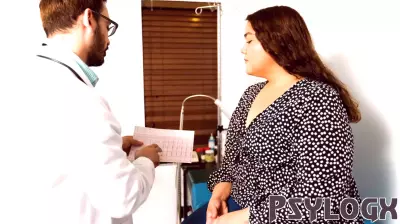
Study Finds Women's Autoimmune Symptoms Often Dismissed as PsychologicalWomen seeking care for autoimmune conditions are more likely to have their physical symptoms attributed to psychological causes than men, according to new research. The findings point to a...

October 12, 2026 - 21:34
Washburn University Opens Doors for Clinical Psychology ProgramWashburn University has announced a free information session and open house for its Master of Arts in Clinical Psychology program. The event gives prospective students a chance to learn about the...