Psychology Says This “Lonely” Lunch Habit Is Secretly Recharging Your Brain
June 3, 2026 - 01:45
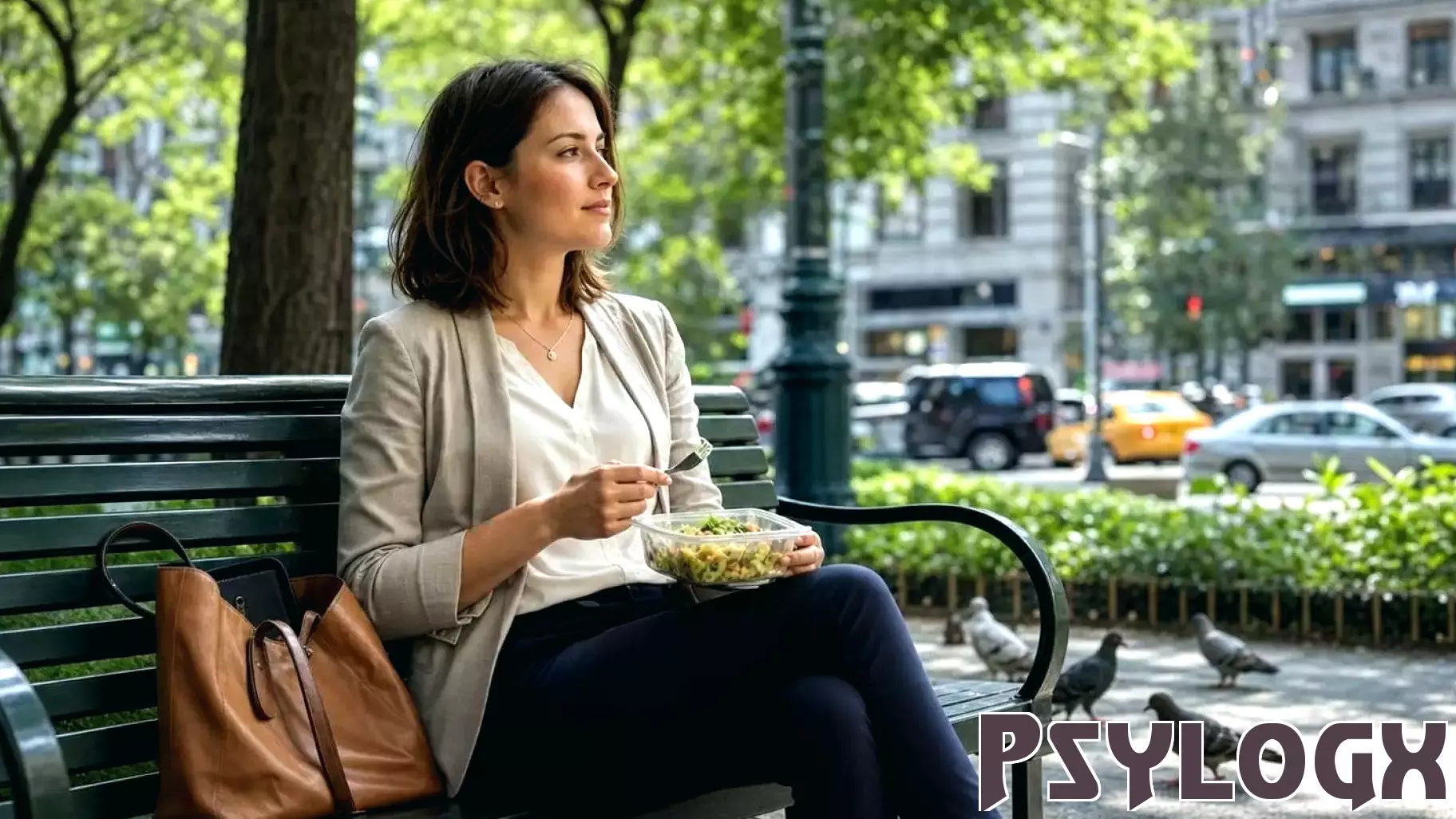
Picture the scene: it is 12:42, you are on a bench with a salad in a plastic box, and for once your phone is not face up beside the fork. The soundtrack is buses, pigeons, two teenagers arguing about something you cannot quite catch. You take a bite, watch a cloud drift, and feel a strange quiet settle in. According to recent psychological research, this moment is not just a break from emails. It is a deliberate act of cognitive restoration.
The term "lonely lunch" often carries a sad label, but experts argue that eating alone without digital distraction is one of the most effective ways to recharge your brain. When you scroll through social media or check work messages during a meal, your prefrontal cortex stays engaged in processing, decision-making, and social comparison. That keeps your mental engine running at half throttle. By contrast, sitting still with only ambient noise allows your brain to enter what psychologists call "default mode network" activity. This is the state where your mind wanders, makes loose connections, and consolidates memories.
The bench, the salad, the pigeons -- they are not signs of isolation. They are ingredients for a mental reset. The brain gets a chance to process the morning's information without new input. It also reduces cortisol levels, because the absence of a screen means no unexpected triggers. So next time you feel a little guilty about eating alone outside, remember: you are not being antisocial. You are running a quiet, effective maintenance session on your own attention span.
MORE NEWS
October 16, 2026 - 16:42
The Psychology Behind Why Effort Feels Worth ItWhy does effort feel worth it to some people and too costly to others? A UNSW-led research project is investigating what motivates us to persist, and the role of human connection. Researchers are...

October 15, 2026 - 18:42
The Psychological Trap Behind Nonstop DecoratingThe concept goes all the way back to the 18th century. Denis Diderot, the French philosopher, received a lavish scarlet robe as a gift. He loved it at first. Then he noticed how shabby everything...

October 15, 2026 - 10:36
Can Psychology Make AI Safer?Behavioral science offers better ways to test AI responses, but treating a chatbot like a human patient has limits. As artificial intelligence systems become more conversational and more deeply...
October 14, 2026 - 17:18
Psychology program adjusts after professor’s medical emergencyPsychology students and faculty have spent several weeks adjusting to course changes and limited information after Professor of Psychological Science Donald Evans experienced a medical emergency on...