The Future of AI: Can Human Neurons Lead the Way?
January 14, 2025 - 09:26
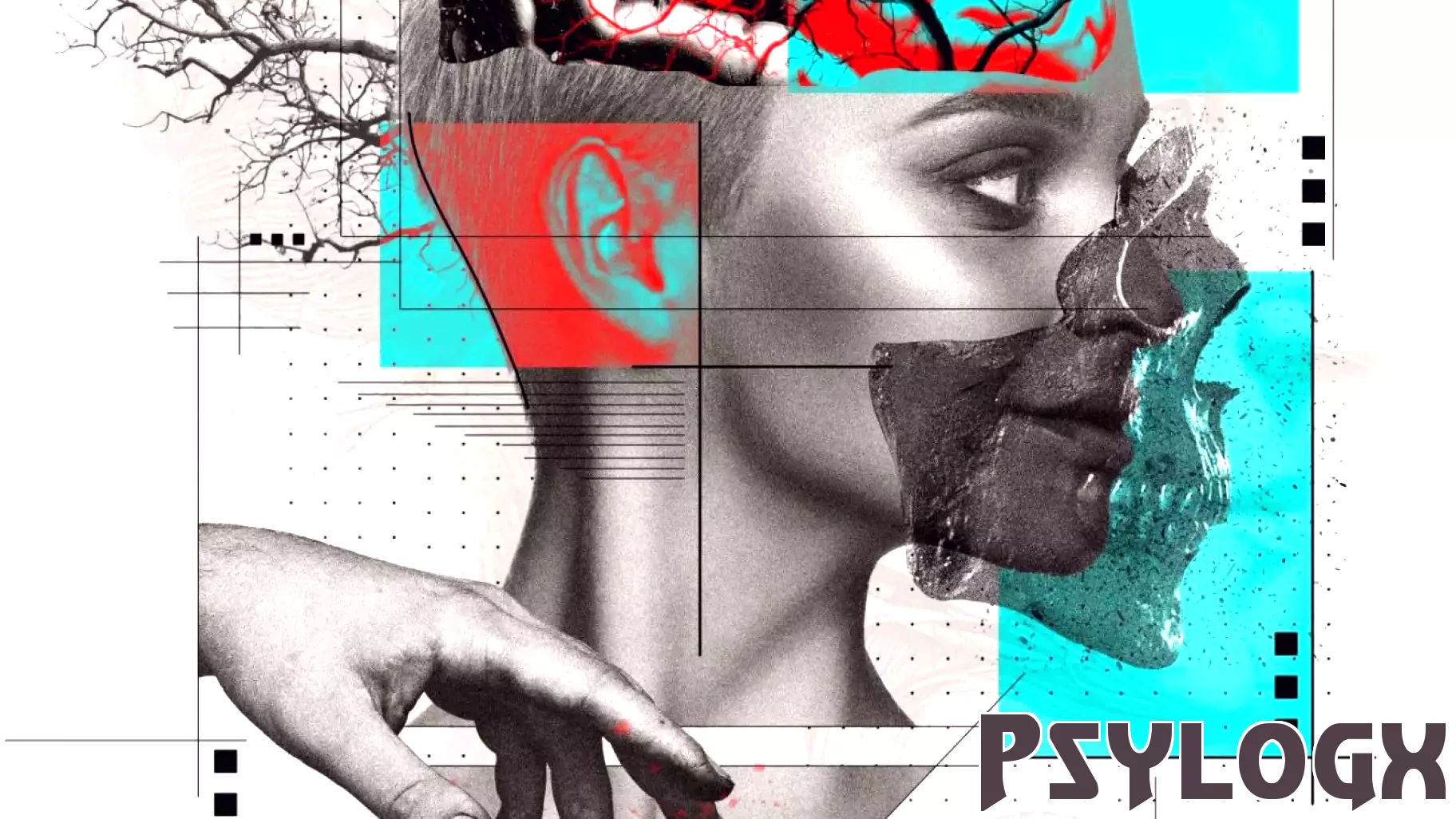
Researchers are pioneering innovative techniques to transform stem cells into mini-brains, a groundbreaking development that merges biology with technology. These miniaturized neural structures are designed to learn and adapt, representing a significant leap forward in our understanding of both human biology and artificial intelligence. By mimicking the complex functions of the human brain, scientists aim to create systems that can process information in a manner similar to natural neurons.
This intersection of neuroscience and technology opens up new possibilities for sustainable AI solutions. As these mini-brains evolve, they could lead to more efficient algorithms that learn from their environments, potentially reducing the energy consumption associated with traditional AI systems. The implications of this research are vast, spanning fields from healthcare to robotics. As scientists continue to explore the capabilities of these biological systems, the potential for creating smarter, more adaptable AI becomes increasingly tangible, paving the way for a future where technology and biology harmoniously coexist.
MORE NEWS

October 8, 2026 - 03:35
New Research Confirms Pygmalion Effect Boosts Confidence in ChildrenA recent study has provided fresh evidence that the expectations adults hold for children can shape how those children see themselves. The research centers on a phenomenon known as the Pygmalion...

October 7, 2026 - 02:21
Forensic Psychology Crucial To National Security, Justice – NAFPThe Nigerian Association of Forensic Psychologists has highlighted the critical role the field plays in supporting national security and the justice system. The association`s president, Dr David...

October 6, 2026 - 10:42
Why Charlie Munger's Psychology Lessons Arrive Too Late for Most PeopleCharlie Munger spent decades studying why smart people make terrible decisions. He had a front-row seat to Warren Buffett`s decision-making as his partner at Berkshire Hathaway, and he used that...

October 5, 2026 - 21:26
First-Time Fathers in Management Roles Tend to Hire More Women, Research ShowsMale managers who become fathers to a daughter for the first time often change their hiring habits in a measurable way. According to new research, these managers tend to bring more women onto their...