The Importance of Watching the Watchers
March 13, 2026 - 02:03
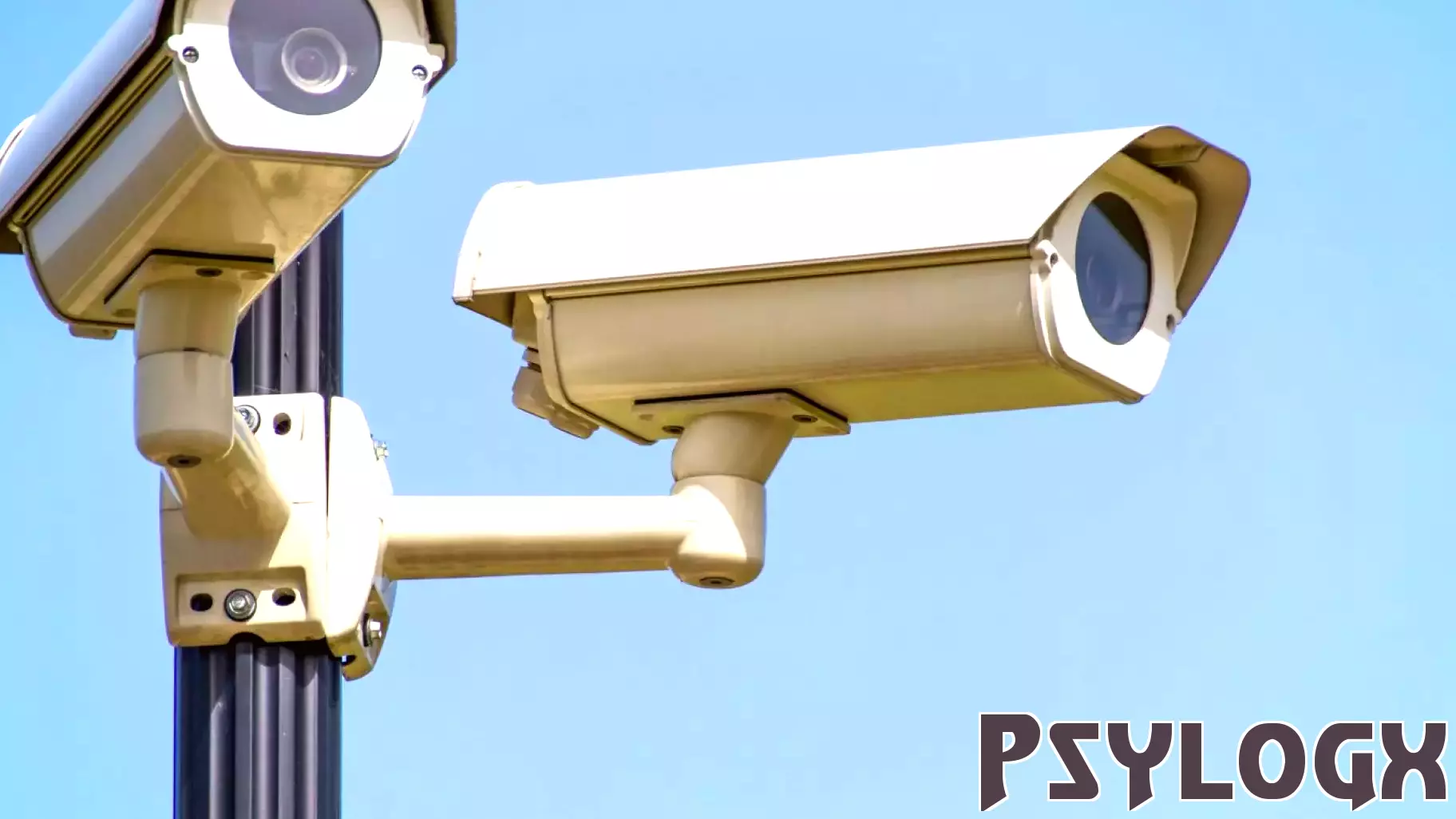
The pervasive expansion of surveillance technology into daily life sparks a crucial democratic debate: who watches the watchers? While often justified by appeals to security and convenience, the unchecked growth of monitoring infrastructure presents profound risks that increasingly outweigh its proposed benefits.
The core issue lies in the imbalance of power and the erosion of essential freedoms. Mass data collection, facial recognition in public spaces, and predictive policing algorithms operate with minimal transparency or public accountability. This creates a society where citizens are perpetually observed, while the entities conducting the surveillance face little scrutiny. Such asymmetry chills free expression, enables discrimination, and undermines the very concept of privacy as a fundamental right.
Furthermore, the security promised by expansive surveillance is frequently illusory. These systems are prone to error, vulnerable to hacking, and can be misused for purposes far beyond their original intent, including political repression or corporate exploitation. The accumulation of vast, sensitive data creates irresistible targets and concentrates dangerous power.
Ultimately, a healthy society cannot function without boundaries on observation. Robust, independent oversight, clear legal frameworks with strong warrants, and continuous public dialogue are not optional—they are essential safeguards. Ensuring accountability for surveillance is not an obstacle to security, but the very foundation of protecting a free and open society from sliding into a monitored state.
MORE NEWS

October 24, 2026 - 20:42
Brain Health Moves Beyond Aging ConcernsBrain health is no longer a topic reserved for older adults. A shift in public awareness is changing how people think about cognitive well-being, with growing attention to nutrition, daily habits,...

October 24, 2026 - 12:07
Study Links Papal Election to Greater Sense of Meaning Among American CatholicsA new daily survey study suggests that practicing American Catholics experienced a slightly stronger sense of meaning in life following the election of Pope Leo XIV, and that this elevated feeling...
October 23, 2026 - 18:53
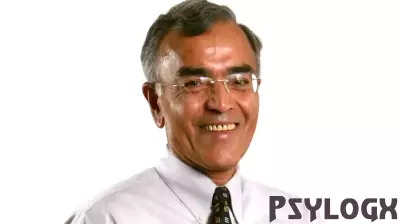
Marquette University Community Remembers Dr. Anees SheikhThe Marquette University community is mourning the passing of Dr. Anees Sheikh, professor emeritus of psychology and an internationally recognized pioneer in the study of mental imagery. Sheikh...

October 23, 2026 - 12:08
Psychology Club Tackles AI's Growing Role in Daily LifeThe topic of Artificial Intelligence and its prevalence in nearly every aspect of everyday life has prompted plenty of concerns and discussions. Students gathered recently for a panel organized by...