The Indoor Environment's Hidden Toll on Childhood Focus
February 8, 2026 - 18:37
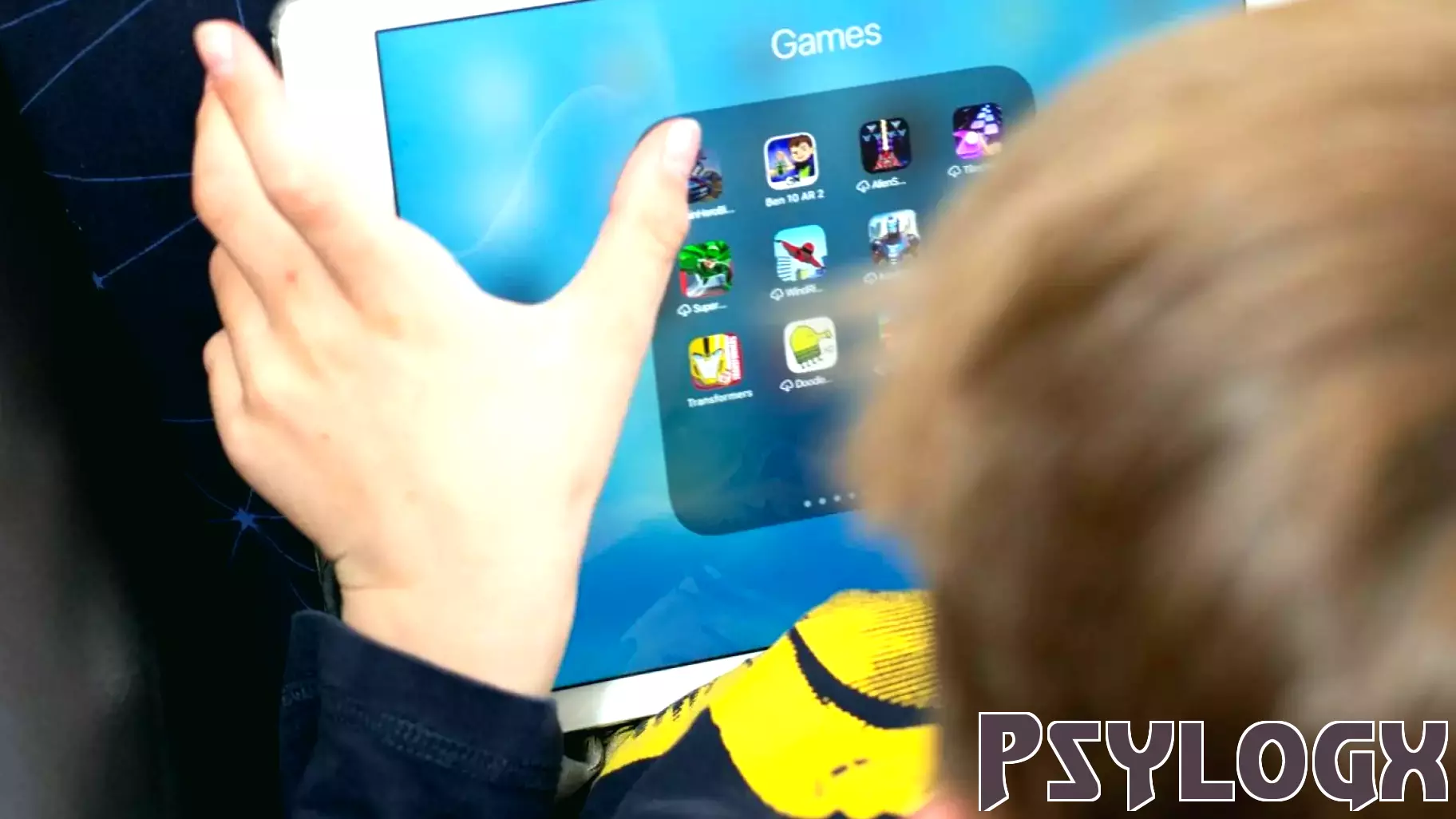
The modern child's world is increasingly contained within four walls, and this shift is having a profound impact on their ability to concentrate. Experts point to the heightened cognitive load and low-grade stress that indoor environments can create, directly challenging a child's focus.
Unlike the dynamic, multi-sensory experience of the outdoors, indoor settings are often filled with competing stimuli—flashing screens, background noise, and visual clutter. This constant bombardment forces a child's brain to work overtime on filtering and processing, leaving less mental energy for sustained attention on a single task. Furthermore, the lack of natural light and restricted movement can disrupt circadian rhythms and increase feelings of restlessness and anxiety.
The solution, however, does not require a complete lifestyle overhaul. Small, intentional changes to the indoor environment can yield significant benefits. Prioritizing natural light by opening blinds, creating dedicated, clutter-free zones for work and play, and incorporating short movement breaks can dramatically reduce cognitive strain. Even simple additions like houseplants can improve air quality and provide a calming visual focus.
By thoughtfully designing indoor spaces that reduce overwhelm and support sensory needs, caregivers can help clear the mental clutter, allowing a child’s natural capacity for concentration to flourish.
MORE NEWS

September 25, 2026 - 23:41
Introducing the New Nursing Lecturer at the Henry P. Becton School of Nursing and Allied HealthThe Henry P. Becton School of Nursing and Allied Health has welcomed a new nursing lecturer to its teaching staff. The addition comes as the school continues to expand its programs and meet growing...
September 25, 2026 - 06:43
Federal panel recommends suspending American Psychological Association’s accreditation authorityA federal advisory panel has recommended that the American Psychological Association temporarily lose its authority to accredit doctoral training programs. The recommendation follows mounting...

September 24, 2026 - 22:17
Weight Stigma and Cultural Attitudes Shape Personal Well-BeingA person`s body size or type, and how well it conforms with society`s expectations, can be a source of stress in many cultures. University of Mississippi psychologists examined how people`s...

September 24, 2026 - 18:04
Sober Living Facility Where Presley Gerber Died Was Run by Psychologist With Suspended LicenseThe sober living home where Presley Gerber died was not required to hold a state license in California, and the psychologist who opened the facility had already lost his professional license before...