The Magnetic Sense
June 10, 2026 - 01:28
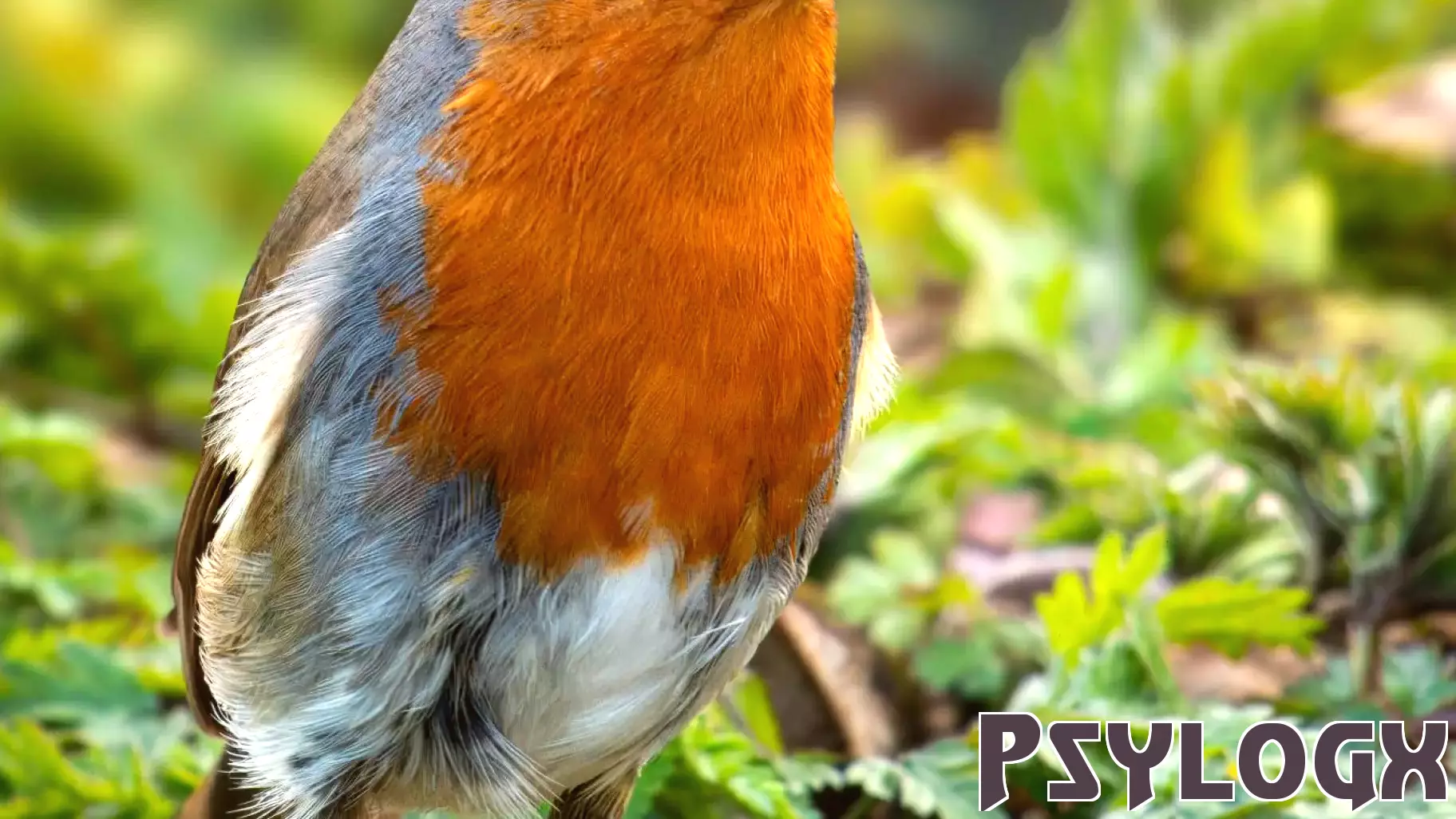
For decades, scientists have known that many animals can detect Earth's magnetic field, using it like an internal compass to navigate across oceans, continents, and even the sky. But the exact biological mechanism behind this "magnetic sense" has remained one of biology's most stubborn mysteries. Recent studies are finally starting to pull the curtain back on how creatures from birds to sea turtles sense the planet's invisible lines of force.
The leading theory involves a protein called cryptochrome, found in the eyes of many animals. When light hits this protein, it may create a pair of molecules with unpaired electrons, known as a radical pair. The Earth's magnetic field can subtly influence how this pair behaves, potentially allowing an animal to literally see the magnetic field as a faint pattern or shading overlaid on its normal vision. This is often called "quantum biology" because it relies on quantum mechanics at a cellular level.
Another possibility involves tiny crystals of magnetite, a magnetic iron mineral, found in the beaks of pigeons or the brains of fish. These crystals could physically twist in response to the magnetic field, triggering nerve signals. It is possible that some animals use both systems, one for a compass direction and the other for a map-like sense of location.
The implications are huge. Understanding this sense could explain how loggerhead sea turtles cross the Atlantic and return to the exact beach where they were born. It could also reveal why migrating songbirds sometimes get lost near power lines, which generate their own magnetic interference. While we are still far from a complete picture, each new experiment brings us closer to understanding a hidden world of perception that has been guiding life on Earth for millions of years.
MORE NEWS
October 23, 2026 - 12:08
Psychology Club Tackles AI's Growing Role in Daily LifeThe topic of Artificial Intelligence and its prevalence in nearly every aspect of everyday life has prompted plenty of concerns and discussions. Students gathered recently for a panel organized by...
October 22, 2026 - 17:52
Haslam College Professor Joins Personality and Social Psychology SocietyGarriy Shteynberg, a recent addition to the Department of Marketing in the Haslam College of Business, has been named a member of the Society for Personality and Social Psychology. Before joining...
October 22, 2026 - 01:44
Why You Can Miss Annie on the Ceiling in ‘Hereditary,’ According to a PsychologistIn 2018`s Hereditary, Peter wakes up disoriented and walks through his dim house while the audience around you starts gasping at something you can`t find on screen. The moment in question involves...
October 21, 2026 - 02:09
Jon Heder Returns in New Psychological Horror Film I See the DemonJon Heder, best known for his role in the 2004 comedy Napoleon Dynamite, has officially returned to screens with a new psychological horror movie titled I See the Demon. The film is now available...