The Personality Type That Actually Predicts Intelligence, According to a Psychologist
July 22, 2026 - 13:17
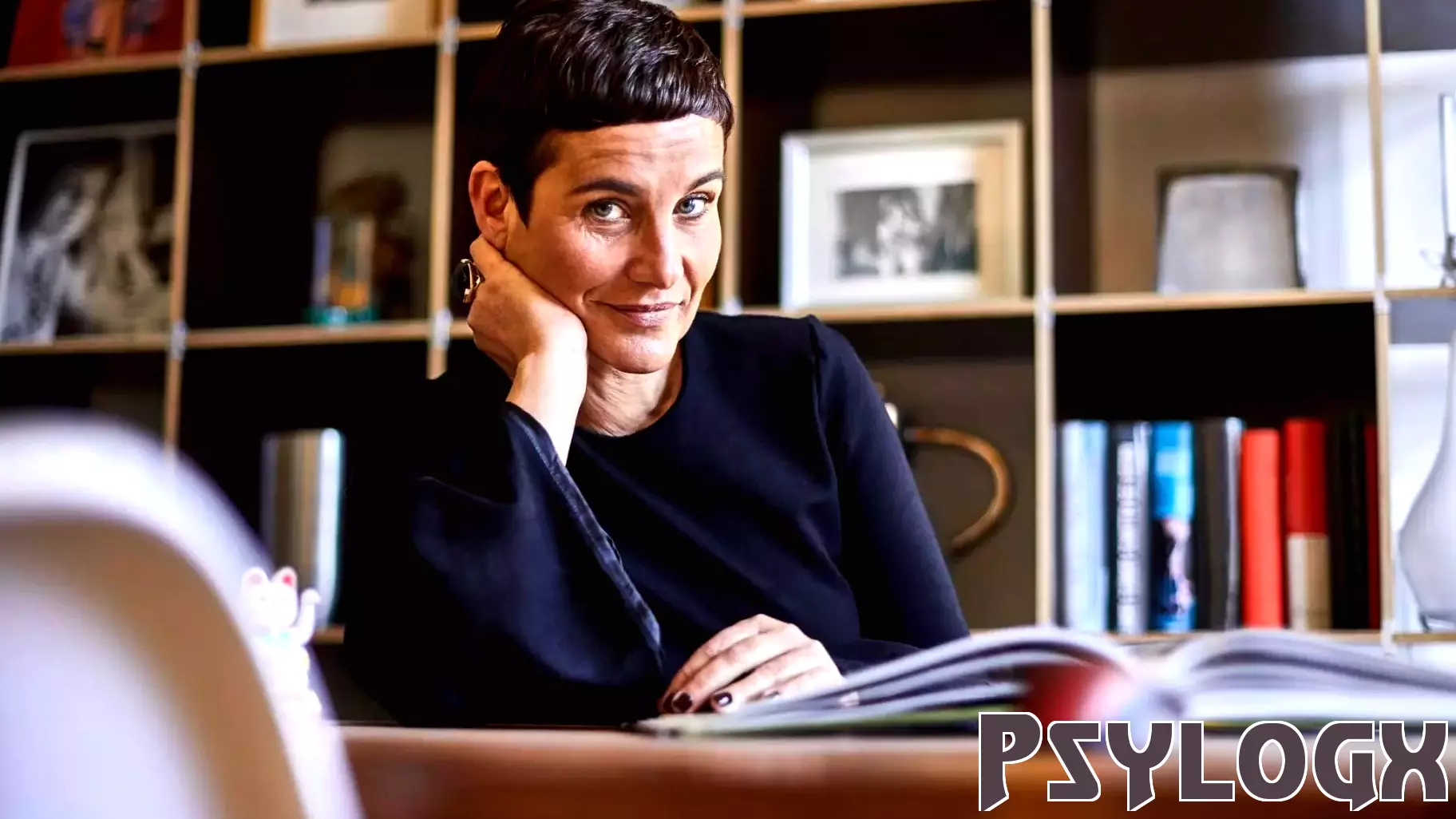
A new analysis of more than two million people has challenged common assumptions about what makes a person smart. According to the research, the personality traits most linked to intelligence have little to do with being agreeable, polite, or socially warm.
The study, led by a psychologist who specializes in personality and cognitive ability, found that openness to experience is the single strongest personality predictor of intelligence. People who score high in openness tend to be curious, imaginative, and willing to explore new ideas. They enjoy abstract thinking and often question conventional wisdom. This trait consistently correlates with higher scores on tests of verbal ability, problem-solving, and general knowledge.
Conscientiousness also showed a modest positive link to intelligence, particularly in academic settings. However, the connection was weaker than many might expect. The trait most often associated with being a "good person" - agreeableness - showed no meaningful relationship with intelligence. In some cases, highly agreeable people actually scored slightly lower on certain cognitive measures. The psychologist suggests this may be because agreeable individuals are less likely to challenge ideas or engage in critical debate.
Extraversion and neuroticism had mixed and mostly small effects. Extraverts sometimes performed better on tests of quick thinking but worse on tasks requiring sustained focus. Neuroticism, or emotional instability, showed a slight negative correlation with intelligence, possibly due to anxiety interfering with cognitive performance.
The findings underscore a simple point: being smart is not the same as being nice. Intelligence, the researcher argues, is more about how a person processes information than how they make others feel. The most intelligent personality type, based on this data, is someone who is intellectually curious, open to new experiences, and willing to think independently - even if that means being less polite.
MORE NEWS
October 20, 2026 - 04:33
A Lifelong Connection: Psychology Professor Eli Finkel's Enduring Ties to NorthwesternWhen psychology Prof. Eli Finkel (Weinberg `97) invited his then-girlfriend over to his apartment as a Northwestern student, he said he often found himself keeping her at a distance. Finkel said he...
October 19, 2026 - 04:51
How Witches, Batman and Spider-Man Can Help You Win CustomersCustomers are drawn to products that balance familiarity and recognition with a fresh twist that sparks curiosity and connection. That idea sits at the heart of some of the most successful...

October 18, 2026 - 00:28
Why Pushing Through Burnout Won't Fix a Broken SystemExhaustion is often treated as a personal failing, something to be corrected with better habits or a tougher mindset. But the question worth asking is not what is wrong with you. It is what is...
October 17, 2026 - 03:18
Why a Reverse Bucket List Can Make You Happier Than Chasing GoalsA happiness researcher is suggesting that people stop focusing so much on the future and instead look back at what they have already done. The idea is called a reverse bucket list, and it works in...