The psychology of tribalism is damaging politics
August 20, 2026 - 07:52
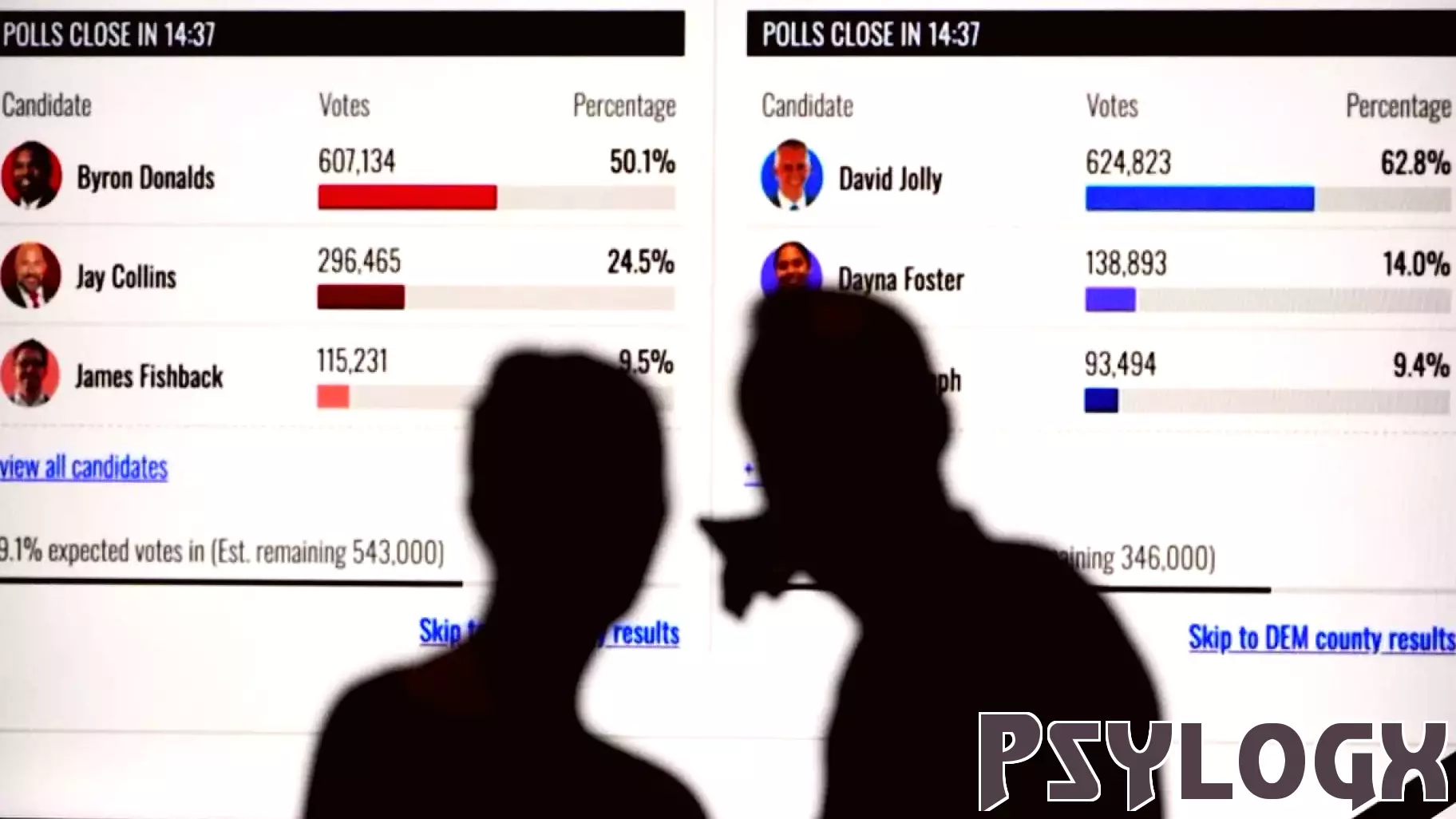
Human beings have grouped themselves into tribes since the earliest days of existence. There is safety in numbers, and along with the practical advantages of shared labor and protection comes a deeply appealing psychological reward: the feeling of belonging. That instinct, once essential for survival, has now become one of the most corrosive forces in contemporary political life.
The problem is not that people hold different opinions. Disagreement is natural and even healthy in a functioning democracy. The damage begins when political identity becomes a core part of personal identity. Once a person adopts a label, whether conservative, progressive, or anything else, they start to see the world through a lens that filters out inconvenient facts. Information that supports the group is embraced without scrutiny. Information that challenges it is dismissed as biased or fake.
This creates a feedback loop. The more strongly someone identifies with a political tribe, the more hostile they become toward outsiders. Studies in behavioral psychology show that people derive genuine pleasure from seeing rival groups fail, sometimes even more pleasure than they get from their own side succeeding. That is a dangerous shift. It means the goal stops being good governance and becomes simply defeating the other side.
The result is a politics of constant outrage. Every issue, from public health to education to the economy, becomes another battlefield in a never-ending cultural war. Compromise is seen as betrayal. Nuance is treated as weakness. Politicians, who are highly attuned to these incentives, have learned that stoking fear and resentment is a more reliable path to power than offering thoughtful solutions.
Breaking this cycle requires more than just calling for civility. It requires recognizing that tribal loyalty is a psychological trap, not a moral virtue. People need to practice the uncomfortable habit of listening to arguments they do not want to hear and holding their own side to the same standards they apply to the opposition. That is hard work, and it goes against every instinct that makes tribalism feel so good. But until voters start rewarding honesty over allegiance, the damage to political discourse will only deepen.
MORE NEWS

October 4, 2026 - 03:18
Why Meaning Matters More Than Happiness For A Fulfilling LifeHappiness is often treated as the ultimate goal. We chase it through achievements, purchases, and experiences, believing that once we catch it, everything will fall into place. But psychologists...
October 3, 2026 - 04:17
University Libraries launches Penn State Behrend student psychology journalThe Open Publishing team at the University Libraries has introduced a new academic publication called The Behrend Psychology Journal. This open access journal features original research conducted...

October 2, 2026 - 05:18
Dogs Take Part in Behavior Studies at emBARKEAU CLAIRE - At emBARK, UW-Eau Claire students were seeing if dogs, young and old, could be taught a few new tricks. The research effort brought together handlers, volunteers, and their canine...
October 1, 2026 - 20:09
Remembering Melinda Blackman: A Professor Who Shaped GenerationsMelinda Blackman, a professor of psychology whose career spanned decades of teaching and mentorship, died on July 10, 2026. Her passing has left a deep void within the Department of Psychology and...