The Role of Vision in Artificial Intelligence
February 24, 2025 - 07:11
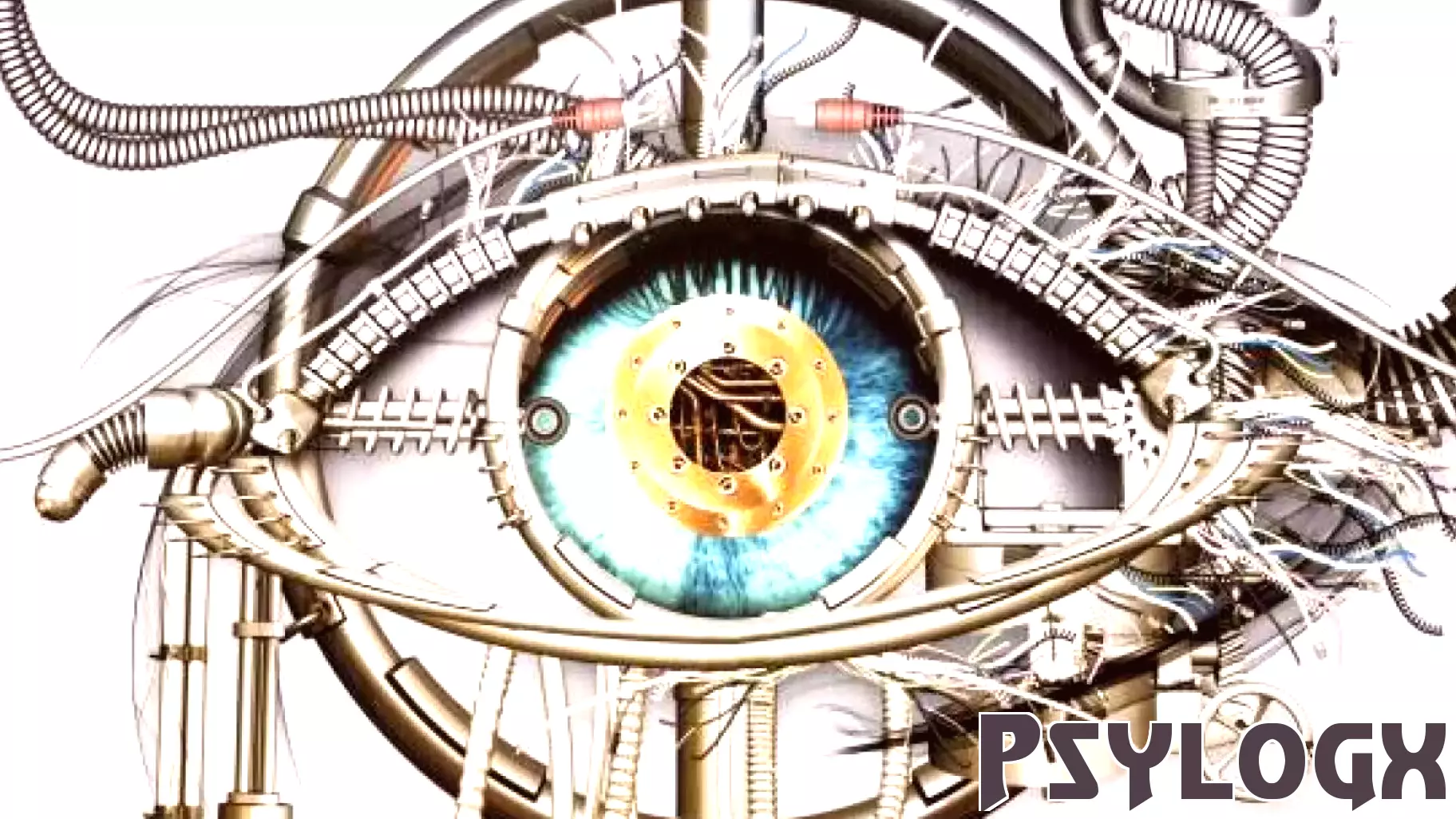
The eye, whether human or robotic, serves as a crucial photoreceptor that connects to the brain and mind, enabling artificial intelligence to replicate human behavior in machines. This connection is fundamental for the development of AI systems that can perceive and interpret their surroundings similarly to humans.
In recent advancements, researchers have focused on enhancing the visual capabilities of robots, allowing them to process visual information in real-time. This emulation of human sight not only improves the robots' interaction with their environment but also enhances their decision-making abilities. By mimicking the complex processes of human vision, AI can better understand context, recognize objects, and respond to stimuli.
The integration of advanced imaging technologies and machine learning algorithms is paving the way for smarter robots that can navigate and operate in diverse settings. As the technology evolves, the potential applications for vision-enabled AI continue to expand, promising a future where robots can seamlessly integrate into everyday life.
MORE NEWS

November 23, 2026 - 01:54
The Habit of Saving the Best Bite: A Lesson in Delayed GratificationSaving the best bite for last is a common eating habit that mirrors the concept of delayed gratification, a principle explored in psychological studies like the famous marshmallow test. This test,...

November 22, 2026 - 06:21
The Hidden Challenges of LeadershipBy Michael DeGrosky During my time as a graduate student in leadership studies, I noticed a common trend among faculty. They reserved the term `leader` for individuals who engaged in positive and...

November 21, 2026 - 19:23
Family Dynamics: Understanding Women's Choices in CommunicationThe family notices a shift when women in their later years begin to prioritize their own needs over constant communication. Instead of recognizing this change as a healthy boundary, family members...

November 21, 2026 - 03:12
Why Some Conversations Haunt UsA conversation may last five minutes, but your mind can keep revisiting it for hours. Psychologists call this rumination, a repetitive thinking pattern that can turn ordinary interactions into a...