Transform Your Home into a Happier Space with Colour Psychology
January 17, 2026 - 12:55
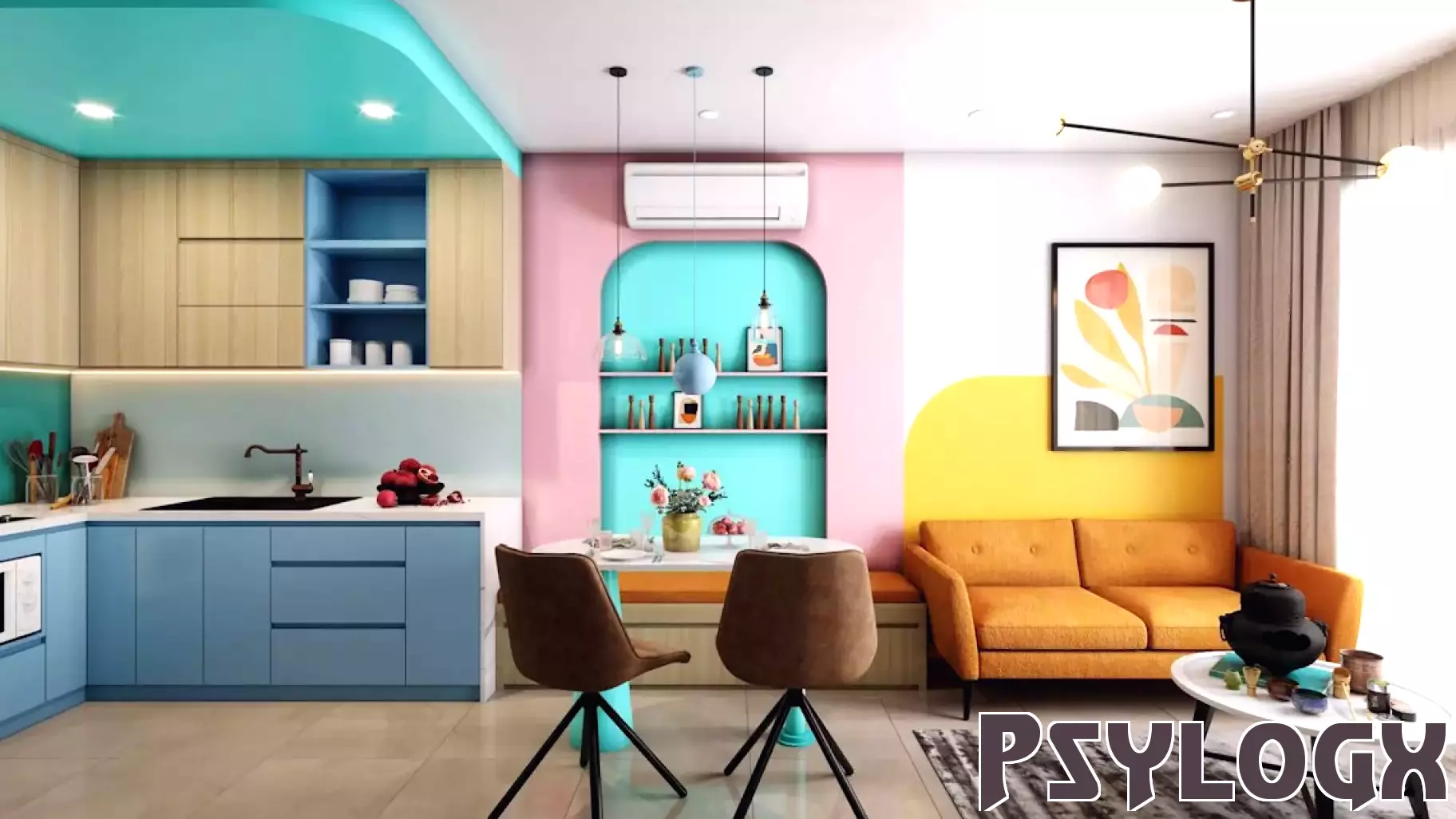
Want a happier home? Neuroarchitecture experts María Gil Díaz and Pía López-Izquierdo Botín explain how colour and lighting affect your mood. The science of design reveals that the colours we choose for our living spaces can significantly influence our emotional well-being.
Warm colours, such as reds and yellows, can create an energetic atmosphere, making them ideal for social areas like living rooms and kitchens. Conversely, cooler shades like blues and greens promote calmness and relaxation, making them perfect for bedrooms and bathrooms.
However, not all colours are beneficial. Experts caution against using overstimulating shades, such as bright orange or neon hues, as they can lead to feelings of anxiety and agitation. Instead, opting for softer, more muted tones can foster a serene environment.
Incorporating lighting effectively can enhance these colour choices, as natural light can amplify the positive effects of your selected palette. By understanding the psychology behind colour, you can create a harmonious and uplifting home that nurtures your mental health.
MORE NEWS
October 14, 2026 - 17:18
Psychology program adjusts after professor’s medical emergencyPsychology students and faculty have spent several weeks adjusting to course changes and limited information after Professor of Psychological Science Donald Evans experienced a medical emergency on...

October 14, 2026 - 00:15
Physical Activity Linked to Better Mental Health During MenopauseRegular exercise can significantly improve psychological wellbeing for women going through menopause, according to new research from University College London. The study found that staying...
October 13, 2026 - 10:25
Study Finds Women's Autoimmune Symptoms Often Dismissed as PsychologicalWomen seeking care for autoimmune conditions are more likely to have their physical symptoms attributed to psychological causes than men, according to new research. The findings point to a...

October 12, 2026 - 21:34
Washburn University Opens Doors for Clinical Psychology ProgramWashburn University has announced a free information session and open house for its Master of Arts in Clinical Psychology program. The event gives prospective students a chance to learn about the...