UCL psychology PhD closure ‘a catalogue of how not to do it’
August 14, 2026 - 07:54
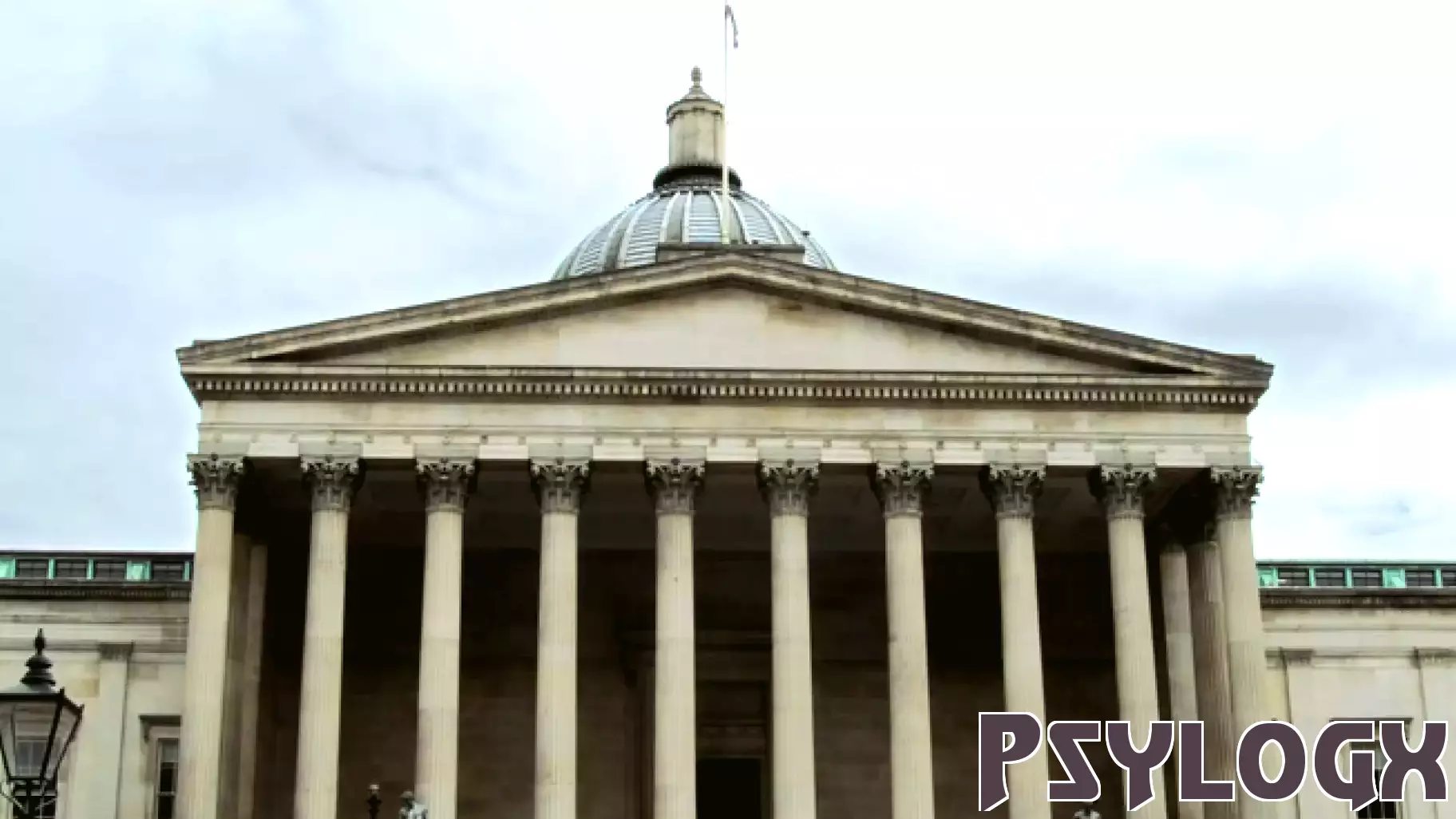
The slow dismantling of one of the UK's oldest psychology doctoral programs has left students accusing University College London of a textbook case in how not to shut down a department. What was once a flagship route for clinical and academic training has been winding down for years, but the final phase is drawing sharp criticism from current and former candidates.
Students describe a process marked by mixed messages, vanishing supervision, and a lack of clear timelines. Some say they learned about the end of the program through rumor rather than official communication. Others report being shuffled between temporary advisors as permanent staff took early retirement or moved to other institutions. The result, they argue, is a stressful and demoralizing experience for people who are already under the pressure of doctoral research.
The program, which has trained researchers for decades, is being phased out as part of a broader restructuring at UCL. But the university has not offered a single, coherent explanation for the closure. Instead, students have received piecemeal updates that often contradict one another. One candidate said the process felt like watching a slow-moving accident, with no one willing to take responsibility for the steering wheel.
UCL has defended the decision, saying it is part of a strategic review of its psychology offerings. But students counter that the way the closure has been handled has damaged trust in the institution and left many feeling abandoned at a critical stage in their careers. They are now calling for a formal review of the process, along with better support for those still finishing their degrees. For a university that prides itself on research excellence, the handling of this shutdown has become a cautionary tale in academic leadership.
MORE NEWS

September 28, 2026 - 02:40
Why Group Projects Feel Like a Psychological ThrillerEvery introvert knows that dreadful feeling when the professor puts up the PowerPoint slide and there it is, written in a bold, unforgiving font that seals a collective doom: 30% - Final Group...
September 27, 2026 - 01:35
A Look Behind the Doors of a Primate Research FacilityLindsay Oliver`s new book offers a rare and detailed look at life inside a primate research facility, examining both the animals that live there and the people who care for them. Rather than...

September 26, 2026 - 15:04
A Clinical Psychologist Explains Why Gossip Is Not Always HarmfulClinical psychologist Niamh Delmar has shared her perspective on the role that gossip plays in everyday life, challenging the common assumption that talking about other people is always a negative...

September 25, 2026 - 23:41
Introducing the New Nursing Lecturer at the Henry P. Becton School of Nursing and Allied HealthThe Henry P. Becton School of Nursing and Allied Health has welcomed a new nursing lecturer to its teaching staff. The addition comes as the school continues to expand its programs and meet growing...