When the Past Beckons: Yearning for a Life Left Behind
January 6, 2026 - 03:17
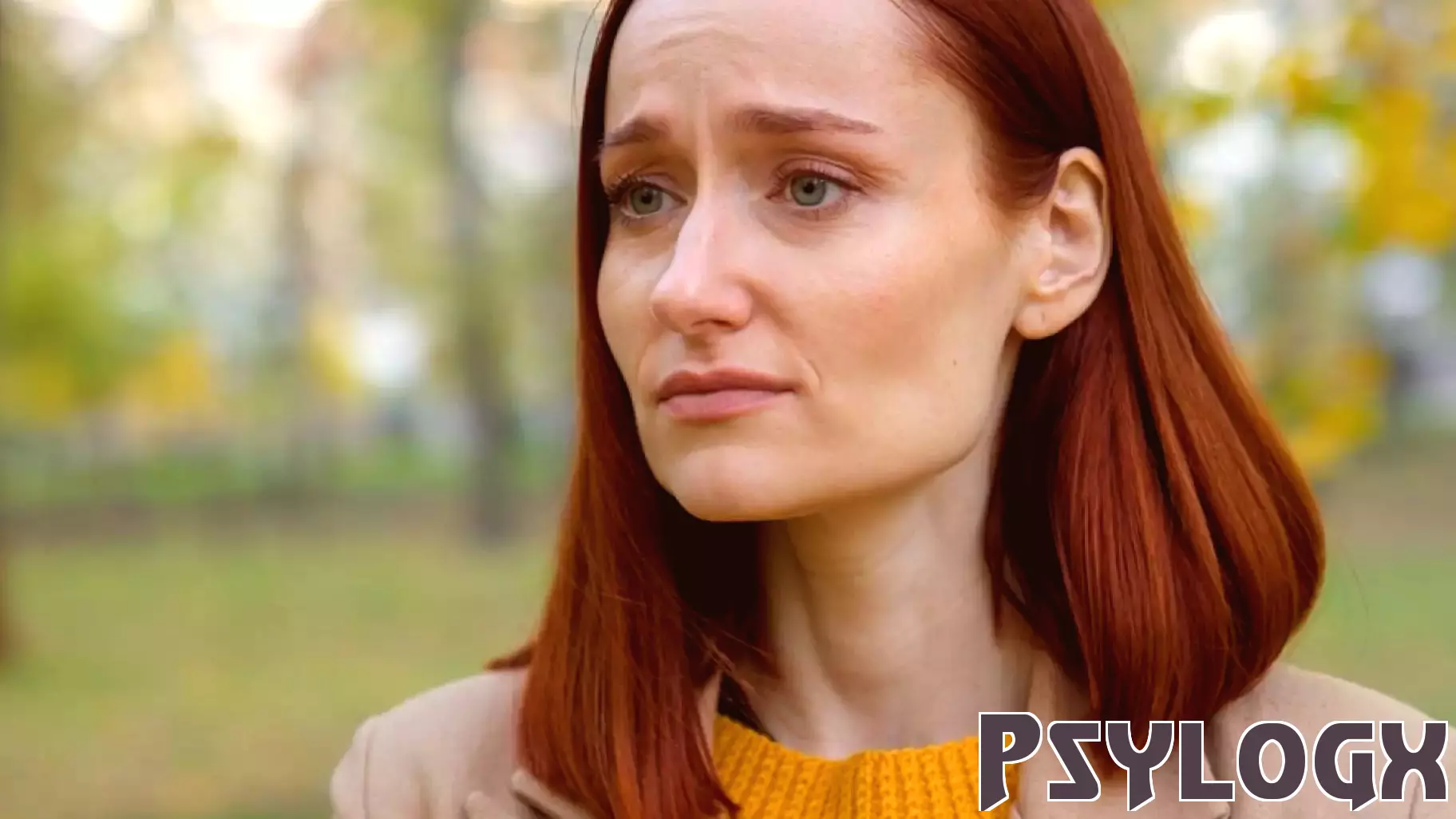
In a world where many seek to escape their past, it is not uncommon to find oneself nostalgic for the very life one chose to leave behind. The pursuit of a better future often comes with the weight of memories that begin to resurface, creating a complex emotional landscape. As individuals strive for personal growth and new experiences, the echoes of previous choices can become increasingly pronounced.
This phenomenon highlights the paradox of human experience: while we actively seek change, the past can feel like a comforting refuge. The familiar routines, relationships, and environments that once felt stifling can transform into cherished memories. As time passes, the contrast between the idealized past and the challenges of the present can lead to a sense of longing for what was once known.
Ultimately, this emotional tug-of-war serves as a reminder of the intricate relationship we have with our history. It invites reflection on the choices we make and the lives we create, urging us to find balance between embracing the present and acknowledging the past.
MORE NEWS

November 23, 2026 - 01:54
The Habit of Saving the Best Bite: A Lesson in Delayed GratificationSaving the best bite for last is a common eating habit that mirrors the concept of delayed gratification, a principle explored in psychological studies like the famous marshmallow test. This test,...

November 22, 2026 - 06:21
The Hidden Challenges of LeadershipBy Michael DeGrosky During my time as a graduate student in leadership studies, I noticed a common trend among faculty. They reserved the term `leader` for individuals who engaged in positive and...

November 21, 2026 - 19:23
Family Dynamics: Understanding Women's Choices in CommunicationThe family notices a shift when women in their later years begin to prioritize their own needs over constant communication. Instead of recognizing this change as a healthy boundary, family members...

November 21, 2026 - 03:12
Why Some Conversations Haunt UsA conversation may last five minutes, but your mind can keep revisiting it for hours. Psychologists call this rumination, a repetitive thinking pattern that can turn ordinary interactions into a...