Why do couples fight in the car? Psychology says it’s not normal — and this hidden pattern could be quiet
May 5, 2026 - 00:31
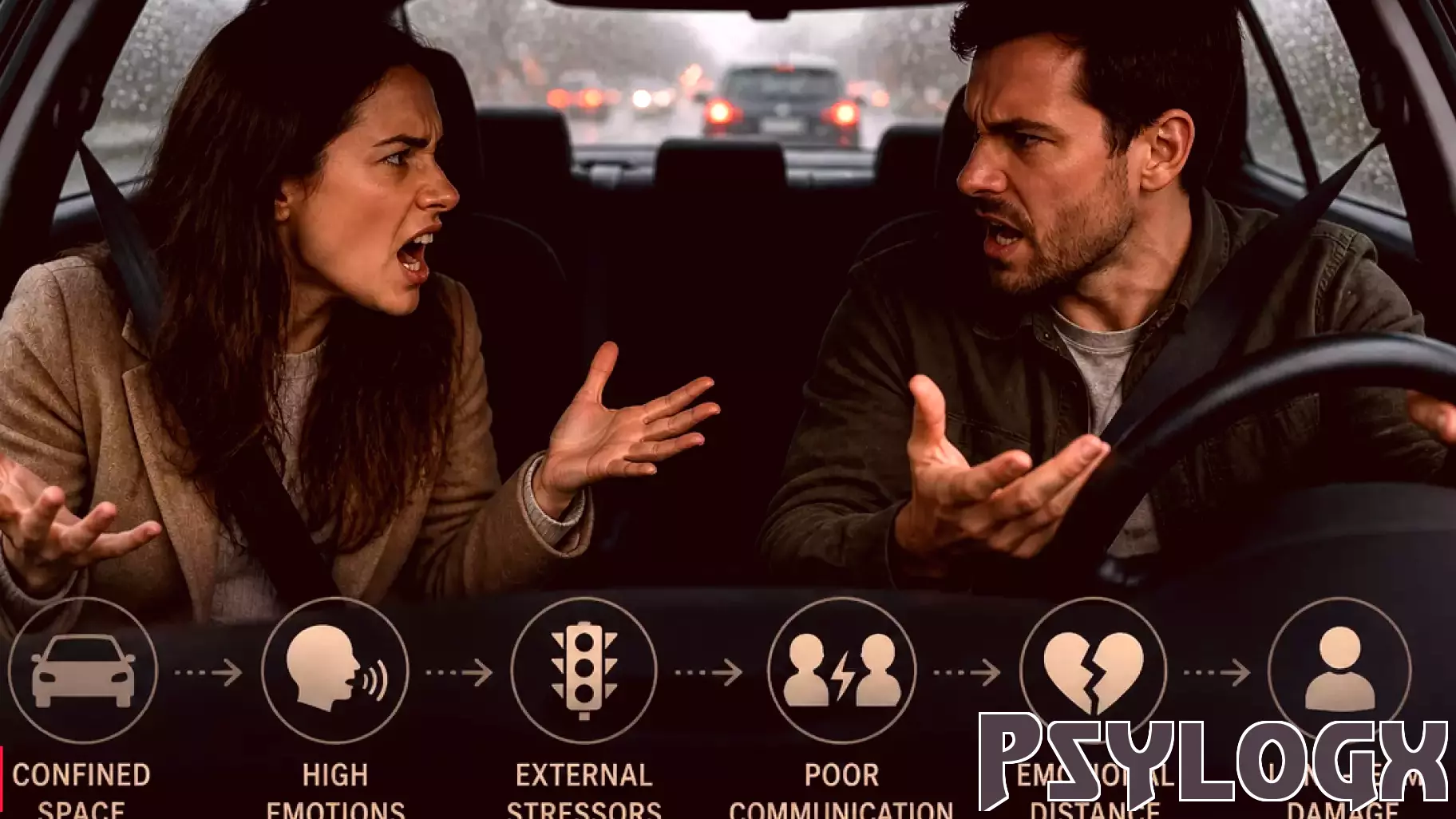
Surveys conducted in Europe and the UK indicate that most couples argue in the car at least once a month, with a notable share reporting conflicts on a weekly basis. While many dismiss these fights as petty squabbles over navigation or music, psychologists argue that the pattern is far from normal and may signal deeper issues in the relationship.
The car, experts say, acts as a pressure cooker. It is a confined space where partners are forced into close proximity with no easy exit. Unlike a home argument, where one person can walk to another room, a moving vehicle offers no escape. This lack of physical distance can amplify existing tensions. But the hidden pattern, according to recent research, is not about the car itself. It is about unresolved emotional distance that surfaces when couples are alone together without distractions.
Dr. Elena Marchetti, a relationship psychologist based in Milan, explains that the car strips away the usual buffers of daily life. "At home, you have phones, televisions, and chores to absorb your attention. In the car, you are locked in a silent box with your partner. That silence often feels uncomfortable, so people pick fights to fill the void." She notes that couples who argue regularly in the car often struggle with communication outside of it. The vehicle becomes a stage for rehearsed grievances that never get addressed properly.
The data from the UK and Europe shows that arguments often center on trivial topics like driving style, directions, or the passenger's commentary. Yet the underlying cause is usually a lack of emotional validation. One partner may feel unheard at home, and the car becomes the only place where they can demand attention. The fight is rarely about the missed turn. It is about feeling ignored.
Psychologists recommend that couples recognize this pattern and set ground rules for car travel. Simple steps like agreeing on music beforehand or taking a moment to check in emotionally before the engine starts can reduce conflict. If arguments persist, it may be time to examine the broader relationship dynamics rather than blaming the GPS.
MORE NEWS

September 24, 2026 - 22:17
Weight Stigma and Cultural Attitudes Shape Personal Well-BeingA person`s body size or type, and how well it conforms with society`s expectations, can be a source of stress in many cultures. University of Mississippi psychologists examined how people`s...

September 24, 2026 - 18:04
Sober Living Facility Where Presley Gerber Died Was Run by Psychologist With Suspended LicenseThe sober living home where Presley Gerber died was not required to hold a state license in California, and the psychologist who opened the facility had already lost his professional license before...

September 24, 2026 - 00:45
Why Always Being 10 Minutes Early May Signal Hidden AnxietyPeople who habitually show up ten minutes early for everything often get praised for discipline and reliability. New research suggests something else may be driving the behavior, and it is not...

September 23, 2026 - 11:41
The Science Behind Why We Smell Books Before Reading ThemHave you ever noticed that whenever we pick up a book, whether it is a novel or a new set our parents bought at the start of the school year, our first instinct is to bury our noses in the pages...