Why Forced Apologies Often Fail Children and Adults Alike
July 19, 2026 - 03:47
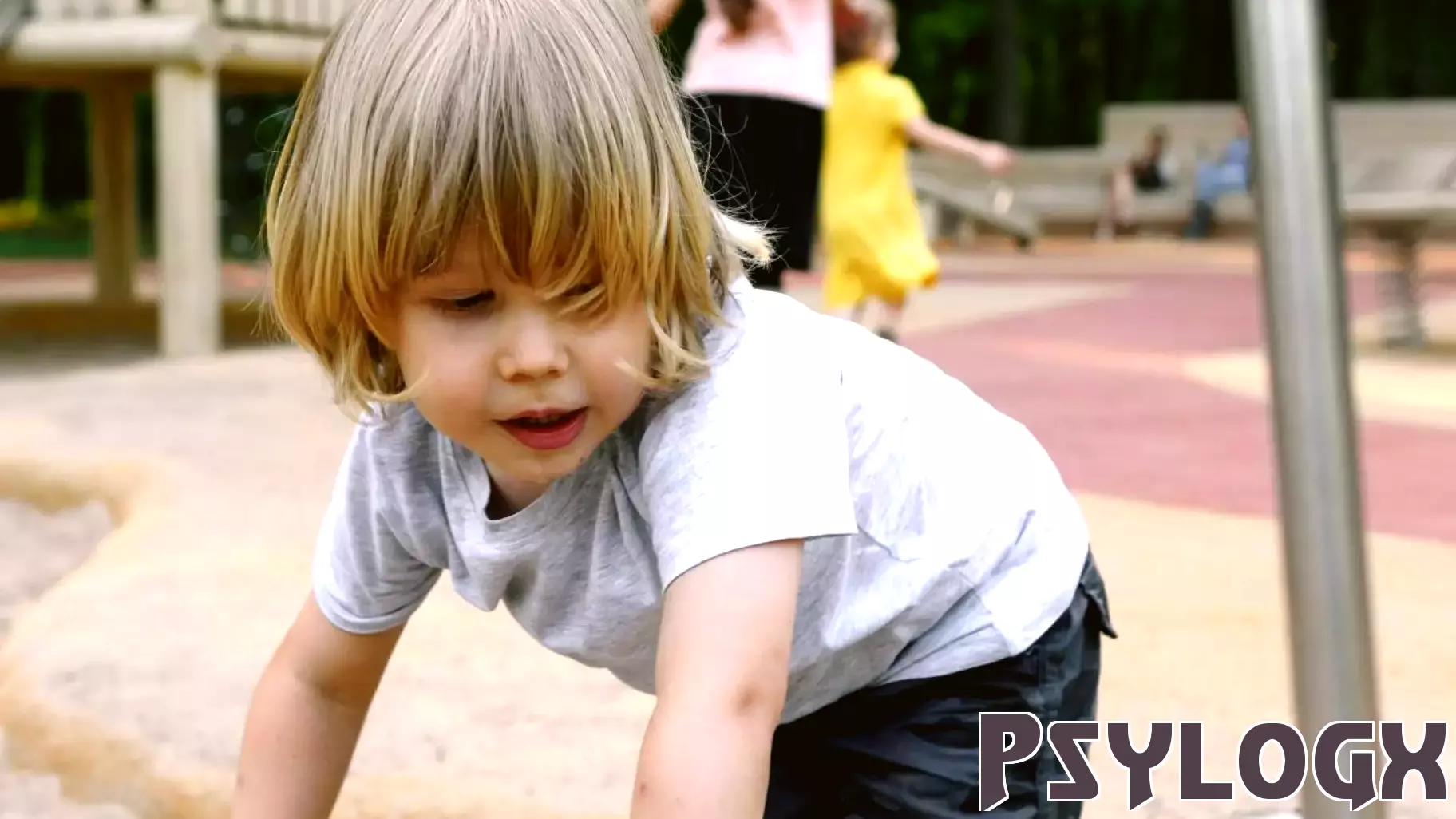
A personal perspective: Forced apologies have become a default tactic for many parents, teachers, and caregivers when dealing with difficult child behavior. A child snatches a toy, pushes a classmate, or says something hurtful, and the adult immediately commands: "Say you're sorry." The child mutters the words, the adult feels the situation is resolved, and everyone moves on. But this quick fix may be doing more harm than good.
The problem is that a forced apology teaches children to say the right words without understanding the feelings behind them. When a child is told to apologize, they learn that a simple phrase can erase the consequences of their actions. They do not learn empathy, accountability, or how to repair a relationship. Instead, they learn that apologizing is a way to escape punishment or adult disapproval.
Many child development experts argue that genuine remorse cannot be commanded. It must grow from a child's own recognition that they caused harm. Forcing an apology often leads to resentment, not reflection. The child may feel humiliated or misunderstood, which can make them less likely to consider the other person's feelings in the future.
There are better approaches. Instead of demanding an apology, an adult can guide the child through the situation. Ask questions like "How do you think that made her feel?" or "What could you do to make things better?" This helps the child connect their actions to real emotional consequences. It also opens the door for a voluntary apology, which carries far more weight than a forced one.
For adults, the same principle applies. Being told to apologize in a workplace or personal conflict often feels hollow. A sincere apology comes from understanding the impact of one's actions, not from external pressure. When we skip that understanding, we cheapen the act of apologizing itself.
The next time a child acts out, consider pausing before demanding those two words. The goal is not to hear an apology. The goal is to raise a person who knows when and why to offer one.
MORE NEWS
October 17, 2026 - 03:18
Why a Reverse Bucket List Can Make You Happier Than Chasing GoalsA happiness researcher is suggesting that people stop focusing so much on the future and instead look back at what they have already done. The idea is called a reverse bucket list, and it works in...

October 16, 2026 - 16:42
The Psychology Behind Why Effort Feels Worth ItWhy does effort feel worth it to some people and too costly to others? A UNSW-led research project is investigating what motivates us to persist, and the role of human connection. Researchers are...

October 15, 2026 - 18:42
The Psychological Trap Behind Nonstop DecoratingThe concept goes all the way back to the 18th century. Denis Diderot, the French philosopher, received a lavish scarlet robe as a gift. He loved it at first. Then he noticed how shabby everything...

October 15, 2026 - 10:36
Can Psychology Make AI Safer?Behavioral science offers better ways to test AI responses, but treating a chatbot like a human patient has limits. As artificial intelligence systems become more conversational and more deeply...