Why Highly Intelligent People Often Struggle With Motivation, According to Psychology
May 2, 2026 - 01:07
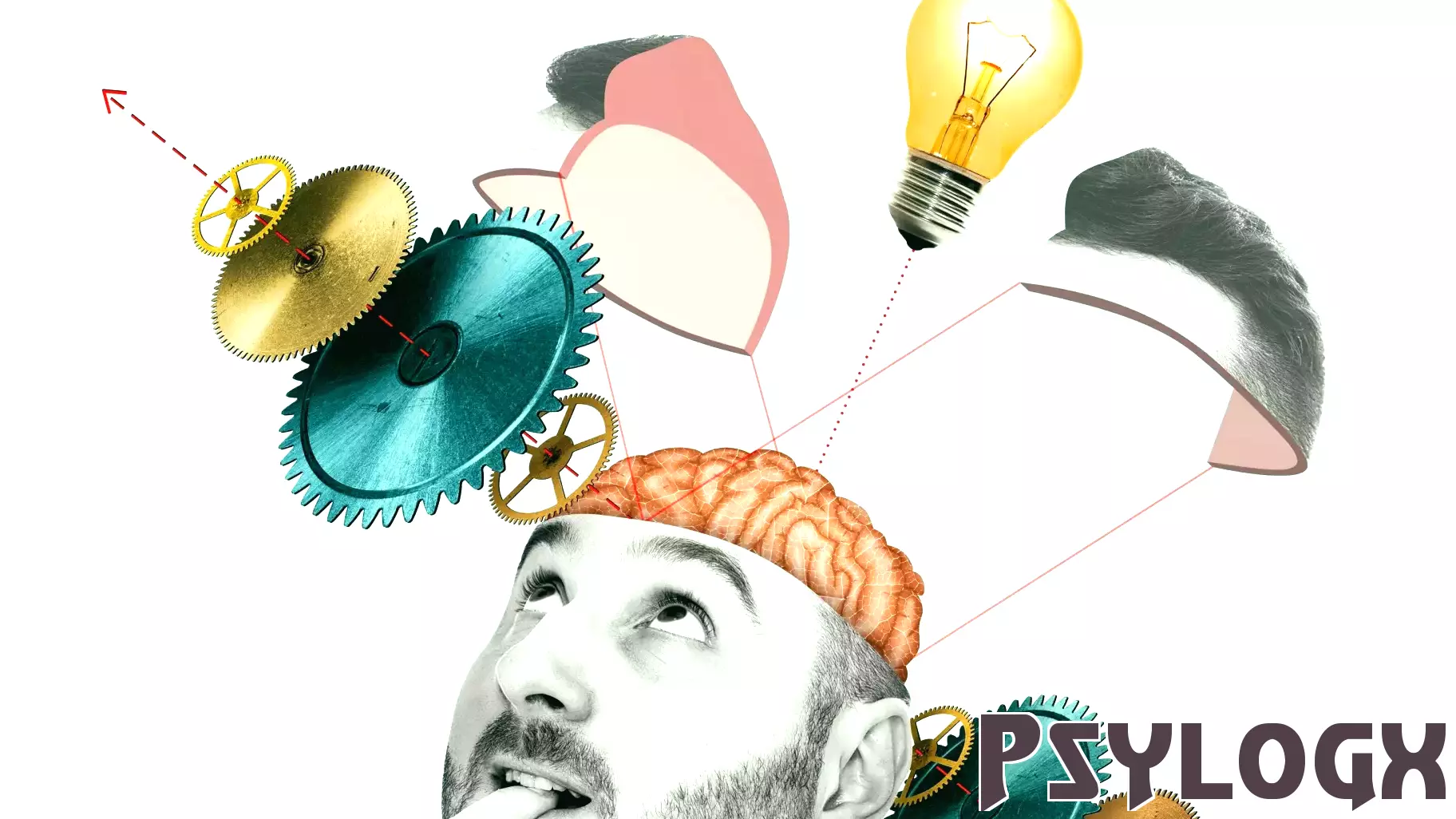
It sounds counterintuitive. Smart people should have an easier time getting things done, right? They grasp concepts faster, solve problems more efficiently, and see the big picture. Yet many highly intelligent individuals find themselves paralyzed by simple tasks, procrastinating on routine work while their minds race with complex ideas. Psychological research suggests this disconnect is real, and it stems from three key factors.
First, intelligent people tend to overthink. Their brains generate endless possibilities, potential obstacles, and alternative approaches before they even begin. This analysis paralysis turns a simple email into a mental debate about wording, timing, and hidden implications. The more options they see, the harder it becomes to pick one and act.
Second, they often lack a sense of urgency. Smart people are used to succeeding with minimal effort in school or early career stages. When a task feels easy, they assume they can do it later. But motivation thrives on deadlines and consequences. Without external pressure, their brains prioritize novel or complex problems over mundane chores, leaving basic tasks undone.
Third, high intelligence can come with a hidden fear of failure. If you have always been the smart one, failing feels catastrophic. Starting a project means risking the discovery that you might not be as capable as you thought. This perfectionism leads to avoidance. You cannot fail at a task you never begin.
The good news is that this pattern is not permanent. Breaking tasks into tiny, low-stakes steps, setting artificial deadlines, and accepting imperfect first attempts can help. Intelligence is a tool, not a guarantee. Motivation requires a different skill set entirely.
MORE NEWS

September 14, 2026 - 03:32
Rethinking Wealth: Behavioral Lessons from The Psychology of MoneyMorgan Housel`s The Psychology of Money emphasises the role of behaviour in financial decisions. It also highlights that intelligence alone doesn`t ensure financial success. The book argues that...

September 13, 2026 - 01:39
Why Some People Turn to Siblings Instead of Parents for SupportSibling relationships are distinctive because they are built around a shared past, familiarity and a relatively equal footing. Brothers and sisters often grow up experiencing many of the same...

September 12, 2026 - 07:56
What a Birkin Bag Taught Me About Perception and AccessMy handbag purchase became a lesson in signaling, first impressions, and why perception can shape access before merit gets a chance to speak. I told myself the bag was an investment. That was the...

September 11, 2026 - 20:56
Psychology says celebrities who care about ecological restoration may be seeking more than just environmenWhen famous people speak about restoring forests, cleaning up oceans or protecting endangered wildlife, the public often assumes the motive is simple concern for nature. Psychology suggests the...