Why Skeptics Can’t See the Evidence They Demand
February 9, 2026 - 18:03
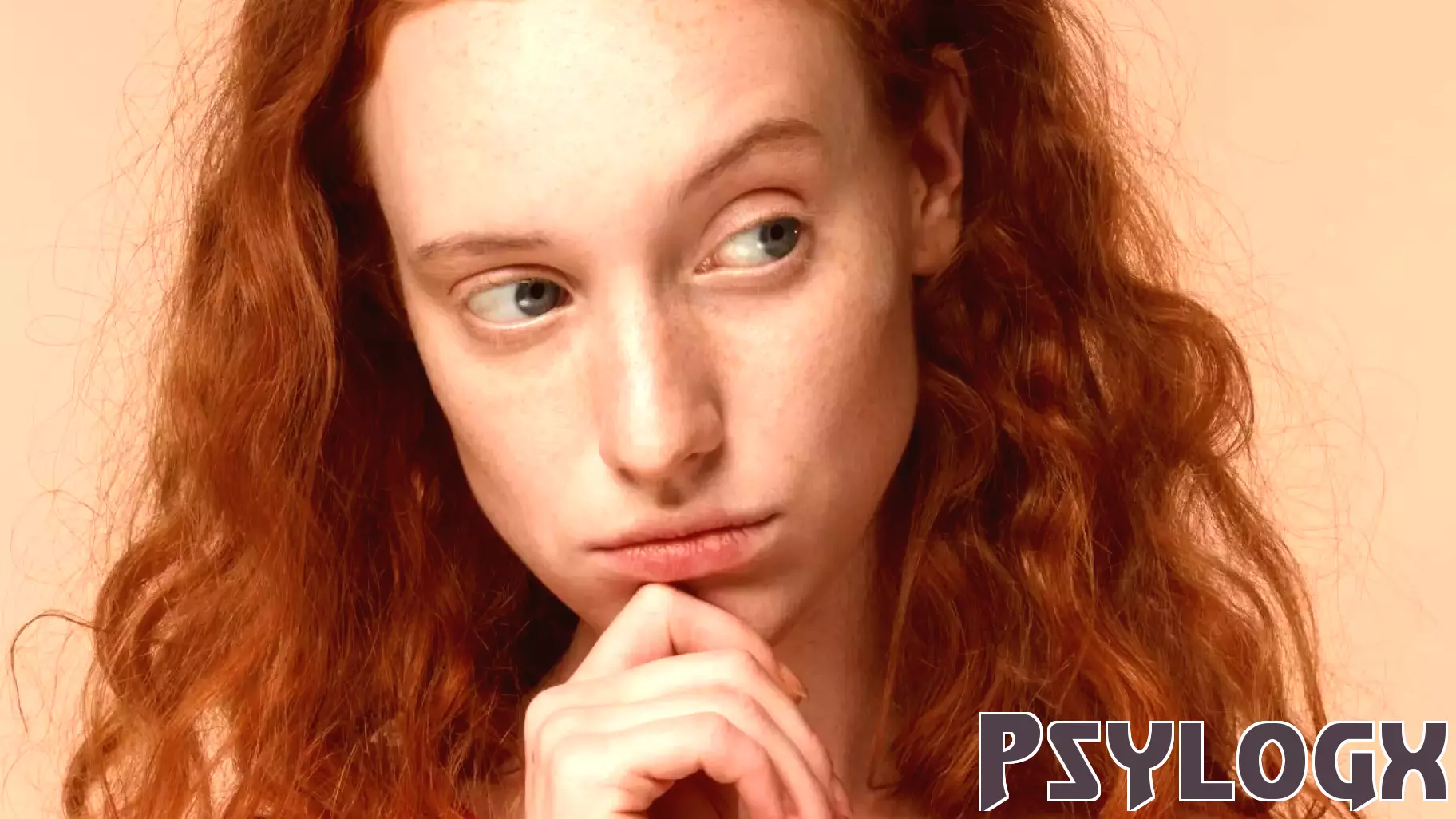
In a world saturated with information, self-proclaimed skeptics pride themselves on demanding rigorous proof before accepting any claim. However, emerging insights from neuroscience and psychology suggest that the very act of skeptical inquiry can create a perceptual blind spot, preventing individuals from recognizing the evidence they insist upon.
The core issue lies in cognitive biases hardwired into human reasoning. Confirmation bias leads people to favor information that aligns with their existing beliefs and to dismiss contradictory data. For a skeptic deeply invested in a particular worldview, even high-quality evidence challenging that position can be subconsciously discounted or reinterpreted. Furthermore, the "backfire effect" can cause individuals to become more entrenched in their original stance when presented with opposing facts.
This creates a paradoxical loop: the more fervently one demands evidence against a deeply held belief, the more the brain's filtering mechanisms may work to invalidate it. The standard of proof becomes moving target, often set impossibly high for unwelcome information while being comfortably low for agreeable data. Experts note that true critical thinking requires not just scrutiny of others' claims, but an equally rigorous and uncomfortable scrutiny of one's own cognitive processes and preconceptions. The path to objective judgment begins with acknowledging that our brains are not passive receivers of evidence, but active interpreters shaped by beliefs we may be unwilling to examine.
MORE NEWS
September 24, 2026 - 22:17
Weight Stigma and Cultural Attitudes Shape Personal Well-BeingA person`s body size or type, and how well it conforms with society`s expectations, can be a source of stress in many cultures. University of Mississippi psychologists examined how people`s...

September 24, 2026 - 18:04
Sober Living Facility Where Presley Gerber Died Was Run by Psychologist With Suspended LicenseThe sober living home where Presley Gerber died was not required to hold a state license in California, and the psychologist who opened the facility had already lost his professional license before...
September 24, 2026 - 00:45
Why Always Being 10 Minutes Early May Signal Hidden AnxietyPeople who habitually show up ten minutes early for everything often get praised for discipline and reliability. New research suggests something else may be driving the behavior, and it is not...

September 23, 2026 - 11:41
The Science Behind Why We Smell Books Before Reading ThemHave you ever noticed that whenever we pick up a book, whether it is a novel or a new set our parents bought at the start of the school year, our first instinct is to bury our noses in the pages...