Autistic Women and Girls: Unique Strengths and Struggles
2 January 2026
When you think about autism, what’s the first image that pops into your head? Be honest.
Chances are, it’s probably a young boy obsessed with trains or numbers, maybe deep into a laptop doing something techy. That’s not your fault—that's how it’s often portrayed in the media and even in medical literature.
But here’s the twist: autism doesn’t always look the same in everyone. Especially not in women and girls.
In fact, many autistic women and girls fly under the radar for years—no diagnosis, no support, just trying to navigate a world that feels confusing and overwhelming. They've learned to camouflage, to “fit in,” and often, at the cost of their mental health.
In this article, we’ll pull back the curtain on what autism really looks like in females. We’ll unpack the unique gifts they bring to the table—and the hidden battles they fight every day.
The Hidden Faces of Autism in Females
Let’s get something straight right out of the gate: autism is not a boys' club.But for decades, it’s been treated like one. Diagnostic criteria for autism were developed by studying mainly boys. So naturally, girls and women who don’t fit the “classic” mold have been overlooked or misdiagnosed. Conditions like ADHD, anxiety, or even borderline personality disorder are frequently stamped on their files instead.
But that doesn’t mean they’re not autistic. It just means that autism in females often wears a different mask.
Why Are Girls Diagnosed Later—Or Not at All?
Here’s the deal: girls are socialized from a young age to behave in socially acceptable ways. Be polite. Be nice. Smile. Stay quiet. Don’t make a fuss. Sound familiar?Girls on the spectrum pick up on these expectations like radar. They learn how to mimic, observe, and rehearse what “normal” looks like. This is called masking—and it’s incredibly draining.
They might rehearse conversations. Mirror their peers' mannerisms. Force eye contact even though it feels like staring into a spotlight. And because they can “pass” as typical, their autism gets missed.
Sadly, that often leads to burnout, depression, anxiety, and even identity confusion. They’re acting their way through life, but inside, they feel like aliens trying to work out the rules of a confusing planet.
Strengths Often Overlooked
It’s not all challenges, though. Far from it.Autistic women and girls have some seriously impressive strengths. They're often creative, detail-oriented, and fiercely passionate about the things they love. Think of them like deep-diving submarines—they don’t skim the surface; they go all in.
Hyperfocus as a Superpower
Some might call it “special interests,” others call it obsession. But let’s reframe it: hyperfocus is a superpower. While others are distracted by the next shiny thing, autistic women can lock onto a topic and master it like nobody’s business.From mythology to neuroscience, from textile art to tech coding—if they love it, they'll live it.
Sure, it might seem intense to outsiders. But in a world full of digital noise and shortened attention spans, that kind of focus is pure gold.
Emotional Sensitivity
Here’s a myth that needs to die: autistic people lack empathy. Total nonsense.Many autistic girls and women are hyper-empathic—they feel other people's pain so strongly it's like their own skin is on fire. They pick up subtle emotional cues, just not always in the conventional ways.
Some may struggle with social norms, but they’re deeply compassionate. They’ll be the first to comfort a friend or stand up for someone being treated unfairly. Loyalty and integrity? Off the charts.
Sky-High Pattern Recognition
You know those weird little details most people miss? Autistic brains zoom in on those. They can spot patterns in behavior, visuals, or processes that others completely overlook.Whether it's detecting inconsistencies in a spreadsheet or recognizing emotional shifts in a conversation, they've got a sixth sense for patterns.
The Silent Struggles
But for all the beauty in these minds, the reality is—they face constant uphill battles.And the worst part? Most of it happens behind closed doors, unnoticed by even those closest to them.
The Mental Toll of Masking
Imagine wearing a costume every day—not just at work, but at home, with friends, even with family. This is the reality of masking. It’s pretending to be someone else just to survive social situations.Over time, this leads to autistic burnout—a state of physical, emotional, and mental exhaustion. Think of it like running a marathon in a heavy coat while everyone else is in sneakers and shorts.
Burnout doesn’t just mean being tired. It can cause sensory shutdowns, loss of speech, increased anxiety, or depression. It’s a full-body crash.
Misdiagnosis and the Long Road to Self-Understanding
Many autistic women spend years—sometimes decades—knowing something feels off, but not having the words to name it.They’re often misdiagnosed with anxiety, OCD, eating disorders, or depression. While these conditions can co-occur with autism, they're often seen as instead of autism rather than part of the picture.
This delay in diagnosis means missed support, misunderstood behaviors, and a painful gap in self-identity.
Getting diagnosed later in life can be a bittersweet moment. There’s often grief for the time lost, but also immense relief at finally having a name for the lifelong feeling of being "different."
Social Confusion and Friendship Fumbles
Let’s be real—navigating social norms is like trying to dance in the dark for many autistic females.They might not pick up on sarcasm. Small talk might seem pointless. Social events? Draining. But that doesn’t mean they don’t want connection.
In fact, they may crave deep, meaningful relationships but struggle with the unpredictable nature of human interaction. So they might either pull back into solitude or put too much energy into fragile friendships that leave them heartbroken.
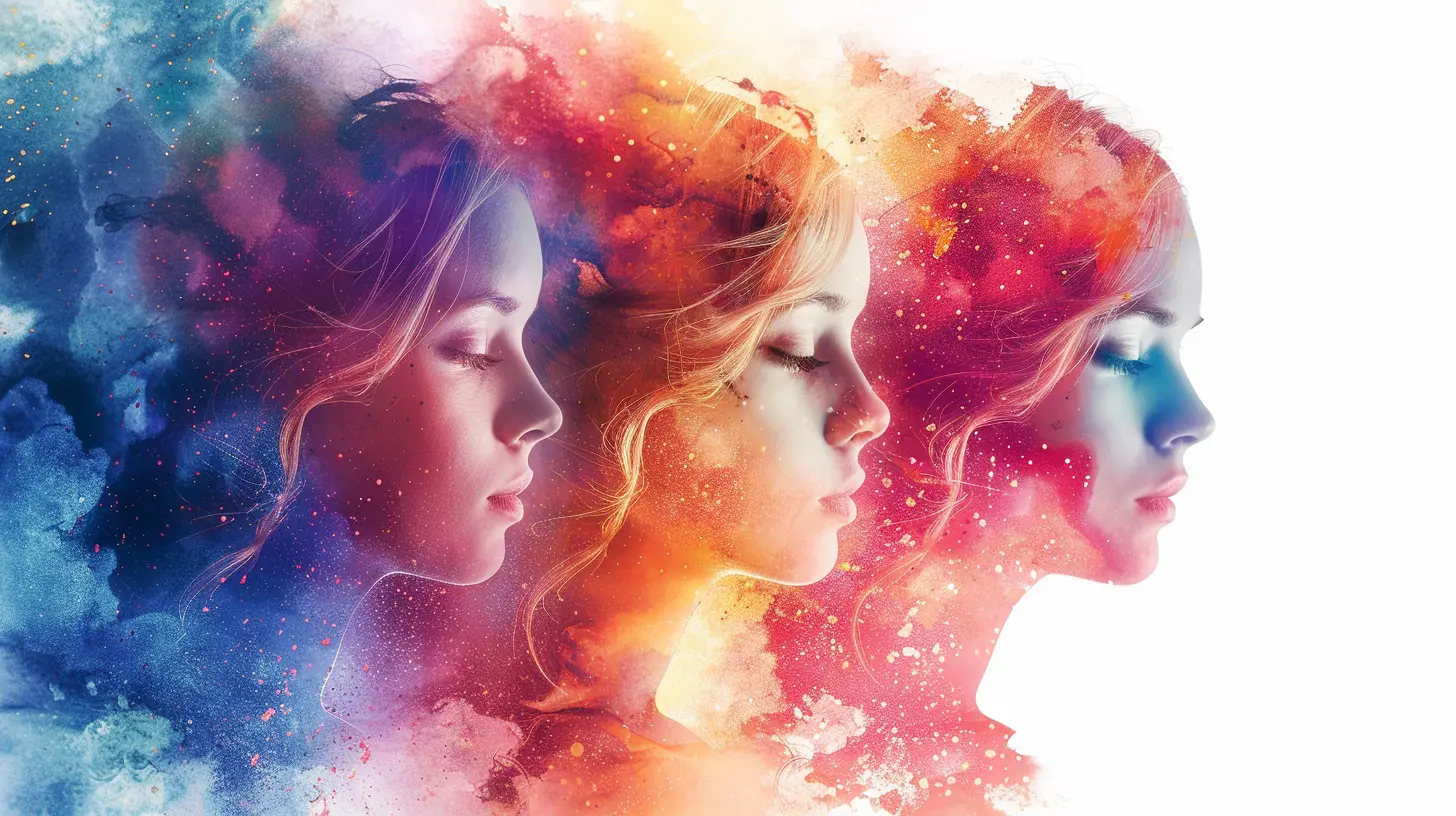
School and Workplace Minefields
The challenges don’t stop in childhood. School and work environments pose unique pressures.The Perfectionism Trap
Autistic girls are often perfectionists. They want to get it just right—whether it's a school assignment, an art project, or a workplace report.But that drive for perfection isn’t always rewarded. It can lead to overworking, chronic stress, and intense self-criticism.
Sensory Overload
Fluorescent lights, buzzing electronics, strong perfumes, background noise—these can feel like attacks to an autistic nervous system.Imagine trying to focus on a task while someone pokes you in the arm repeatedly. That’s how sensory overload can feel. It’s not “being sensitive” — it’s being bombarded.
Sadly, many classrooms and offices don’t accommodate these needs, leaving autistic women strained and overstimulated.
Relationships: A Complex Web
Another area where autistic girls and women face unique challenges? Relationships.From friendships to romantic partnerships, navigating emotional intimacy can be tricky terrain. Some may be incredibly trusting (which sometimes leads to being manipulated). Others might struggle with boundaries or feel disconnected even when surrounded by people.
On the flip side, they’re often incredibly loyal, honest, and supportive partners—once they find someone who truly “gets” them.
Late Diagnosis: A Path to Self-Acceptance
You know what’s wild? Some women don’t realize they’re autistic until their own child is being assessed. Others stumble upon TikTok or Reddit threads and suddenly see themselves reflected for the first time.Late diagnosis can be both healing and heartbreaking.
There's often a wave of emotion—relief, sadness, anger, hope. But most importantly, there's a roadmap now. A way to move forward with clarity and compassion for yourself.
Rewriting the Narrative
Getting a diagnosis doesn’t change who you are—it explains it.It’s not about putting yourself in a box. It’s about understanding why the world has felt so overwhelming, and starting to carve out a life that fits you, instead of squeezing yourself into one that doesn’t.
How Can We Better Support Autistic Girls and Women?
Let’s be clear: support isn’t about “fixing” autistic individuals. It’s about creating environments that allow them to thrive.So what does support actually look like?
1. Believe Them
If a woman or girl tells you something feels too loud, too much, or too confusing—believe her. She’s not exaggerating. She’s not being difficult. She’s describing her reality.2. Adjust, Don’t Expect Them to Assimilate
Instead of forcing autistic individuals to mask or conform, make accommodations. That could mean providing quiet rooms in schools or letting employees wear noise-canceling headphones at work.3. Normalize Neurodiversity
Autism isn’t a deficit—it’s a difference. Just like some people are introverts and others extroverts, neurodiverse brains process the world differently.We don’t need to “fix” autistic people. We need to stop assuming there’s only one “right” way to be human.
Final Thoughts
Autistic women and girls are some of the most resilient, insightful, and deeply feeling individuals you’ll ever meet. But too often, their strengths are overshadowed by their struggles—and their struggles are overlooked completely.It’s time we stop looking at autism through an outdated lens and start seeing the full spectrum—not just the colors we expect to find.
Because when we do that, we don’t just support autistic individuals—we create a richer, more compassionate world for everyone.
all images in this post were generated using AI tools
Category:
AutismAuthor:
Paulina Sanders
Discussion
rate this article
2 comments
Jax Sharp
In silent worlds where brilliance sparkles bright, Autistic women and girls weave a tapestry of light. With strengths that defy the narrow gaze, They navigate struggles in intricate ways. Let us honor their voices, fierce and true, For in their journeys, we find strength anew.
February 1, 2026 at 5:10 PM
Paulina Sanders
Thank you for beautifully capturing the resilience and brilliance of autistic women and girls. Your words highlight the importance of honoring their unique strengths and experiences.
Hunter Ford
Thank you for highlighting the unique experiences of autistic women and girls. It's crucial to recognize their strengths alongside the challenges they face. Great article!
January 14, 2026 at 5:26 AM
Paulina Sanders
Thank you so much for your kind words! I'm glad the article resonated with you. Highlighting these experiences is important!