Breaking Down the Four Main Attachment Styles
13 January 2026
When it comes to our relationships, have you ever wondered why some people seem to thrive while others struggle with connection or trust? Why do some of us feel secure and supported, while others constantly battle with fears of abandonment or rejection? Well, the answer often lies in something called "attachment styles."
Attachment styles are basically patterns in how we relate to others, especially in close relationships. They shape how we connect, trust, and respond to others emotionally. Understanding these styles can give us valuable insights into our behaviors and help us build healthier and more satisfying relationships.
In this article, we're going to break down the four main attachment styles: Secure, Anxious, Avoidant, and Disorganized. By the end, you'll not only know which style resonates with you or the people around you, but also how to work with that knowledge to improve your relationships.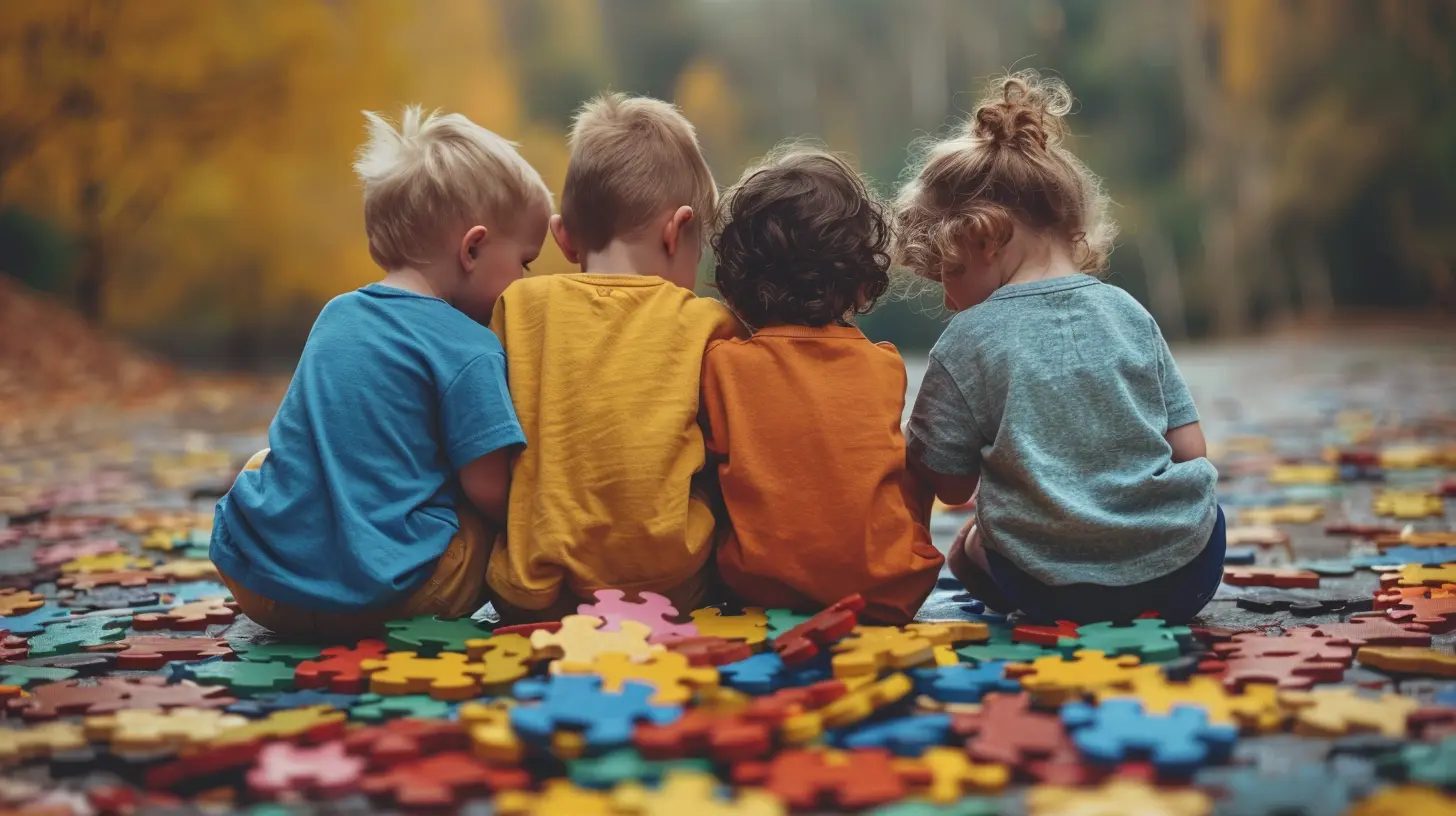
What Are Attachment Styles?
Before we dive in, let’s quickly touch on where this concept comes from. The theory of attachment styles was first developed by psychologist John Bowlby and later expanded by Mary Ainsworth in the mid-20th century. They studied how children develop emotional bonds with their caregivers and discovered patterns that influence how these children later relate to others in adulthood.Think of attachment styles as the "roadmap" your brain uses to navigate relationships. Depending on your life experiences—especially early ones with your caregivers—your brain learns patterns for how to respond to emotional closeness, trust, and intimacy. These patterns can stick with you well into adulthood.
But here’s the good news: attachment styles aren’t set in stone! While they might feel like deeply ingrained habits, you can shift and improve your attachment style with self-awareness and intentional work. So, let’s explore each style and see what they’re all about.
1. Secure Attachment Style: The Ideal Balance
What It Looks Like
People with a secure attachment style tend to feel comfortable with intimacy and independence. They trust that their partner will be there for them, but they also don’t feel overwhelmed by the need for closeness. This balance allows for healthier, more stable relationships.Imagine a child who knows that if they fall, their parent will be there to pick them up. This sense of security carries over into adulthood, where securely attached people can rely on themselves and their partners in a balanced way.
Key Traits of Secure Attachment Style:
- Comfortable with intimacy and independence: They can give and receive love without feeling suffocated or overly needy.- Trust in relationships: They generally believe that their partner is reliable and trustworthy.
- Healthy communication: They aren't afraid to express their needs and emotions, and they’re open to hearing their partner’s as well.
- Emotional regulation: They manage their emotions well and don’t get easily overwhelmed by conflict.
How It Develops
A secure attachment style typically develops when a child’s primary caregiver is responsive and attentive to their needs. This gives the child a sense of safety and reliability, which they carry into their adult relationships.How It Plays Out in Relationships
If you have a secure attachment style, you likely feel confident in your relationships. You’re comfortable with closeness but don’t panic when your partner needs space. You’re also able to handle conflicts in a mature and constructive way. In short, secure attachment is the gold standard for healthy relationships.
2. Anxious Attachment Style: Craving Closeness
What It Looks Like
People with an anxious attachment style tend to crave closeness and intimacy but often fear that their partner will abandon them. They’re constantly looking for reassurance in their relationships and may become overly dependent on their partner for emotional support.Imagine a child who’s always watching their caregiver, afraid that they’ll leave at any moment. This anxiety about being abandoned or rejected often translates into adult relationships, where they’re always trying to "hold on" to their partner.
Key Traits of Anxious Attachment Style:
- Constant need for reassurance: They frequently seek validation and approval from their partner.- Fear of abandonment: They often worry that their partner will leave them, even in stable relationships.
- Insecurity: They may feel that they are not "enough" for their partner or that their partner doesn’t love them as much as they love them.
- Clinginess or possessiveness: They might become overly attached and emotionally dependent on their partner.
How It Develops
An anxious attachment style often forms when a caregiver is inconsistent with their attention or affection. One minute they’re present, and the next, they’re emotionally or physically distant. This inconsistency creates a sense of uncertainty, leading to anxiety about whether or not the caregiver will be there when needed.How It Plays Out in Relationships
If you have an anxious attachment style, you might find yourself constantly seeking reassurance from your partner. You may feel that you need to be "close" to them at all times and can become distressed if they need space. This can sometimes lead to "clingy" behavior, which may put a strain on the relationship.
3. Avoidant Attachment Style: Keeping Distance
What It Looks Like
People with an avoidant attachment style tend to value independence over closeness. They often feel uncomfortable with too much emotional intimacy and prefer to keep a certain amount of distance in relationships. They may even downplay the importance of relationships altogether.Imagine a child who learns that they can’t rely on their caregiver for comfort or support. They grow up feeling that they must take care of themselves because no one else will. This idea sticks with them in adulthood, where they often prioritize self-reliance over emotional connection.
Key Traits of Avoidant Attachment Style:
- Fear of dependency: They don’t want to rely on others and often feel uncomfortable being depended on.- Emotional distance: They may struggle with opening up emotionally and prefer to keep things surface-level.
- Self-sufficiency: They value their independence and may see emotional closeness as a threat to their autonomy.
- Difficulty in expressing emotions: They often avoid discussing their feelings or needs in relationships.
How It Develops
An avoidant attachment style often forms when a caregiver is emotionally unavailable or dismissive. The child learns that it’s safer to rely on themselves rather than risk being let down by their caregiver. As a result, they grow up with a strong desire for independence and a reluctance to depend on others.How It Plays Out in Relationships
If you have an avoidant attachment style, you might find yourself pulling away when a relationship starts to get too close. You may value your independence so much that emotional intimacy feels like a threat. While you might enjoy spending time with your partner, you likely need a lot of space to feel comfortable.4. Disorganized Attachment Style: The Confusing Mix
What It Looks Like
People with a disorganized attachment style have a confusing mix of emotions when it comes to relationships. They may crave closeness one moment but then push their partner away the next. This unpredictability often stems from a fear of getting hurt, even though they desperately want connection.Imagine a child who grows up in a chaotic or abusive environment. They want to feel loved and safe, but their caregiver is also the source of fear or pain. This creates a confusing dynamic where the child doesn’t know whether to approach or avoid their caregiver. As adults, these individuals can struggle to form consistent and stable relationships.
Key Traits of Disorganized Attachment Style:
- Fear of intimacy: They may want closeness but are terrified of being hurt or rejected.- Unpredictable behavior: They may switch between being overly attached and extremely distant.
- Difficulty trusting others: They often have trouble trusting their partner, fearing that they will be hurt or betrayed.
- Emotional turbulence: Their relationships are often marked by intense emotions and frequent conflicts.
How It Develops
A disorganized attachment style often develops in children who experience trauma, abuse, or neglect. Their caregiver may have been a source of both comfort and fear, leading to confusion about how to form healthy emotional bonds.How It Plays Out in Relationships
If you have a disorganized attachment style, you might find yourself feeling torn between wanting closeness and pushing people away. You may have a hard time trusting your partner, even if they haven’t given you any reason to doubt them. Your relationships may feel like an emotional rollercoaster, with intense highs and lows.Can You Change Your Attachment Style?
The big question is: can you change your attachment style? The answer is yes—but it takes work. Awareness is the first step. Once you understand your attachment style, you can start to identify patterns in your behavior and work on changing them.Here are a few ways to start shifting towards a more secure attachment style:
- Therapy: Working with a therapist can help you unpack past experiences and develop healthier relationship patterns.
- Communication: Open and honest communication with your partner can help build trust and security.
- Self-awareness: Pay attention to your emotional triggers and learn to manage them in a healthier way.
- Patience: Changing your attachment style won’t happen overnight, but with time and effort, it’s absolutely possible.
Final Thoughts
Attachment styles are a fascinating way to understand why we behave the way we do in relationships. Whether you identify as secure, anxious, avoidant, or disorganized, the good news is that none of these styles are set in stone. With awareness and effort, you can work towards healthier, more secure attachments in your relationships.Remember, nobody is perfect—relationships are a journey, and understanding your attachment style is just the first step on the path to building stronger, more fulfilling connections with the people you care about.
all images in this post were generated using AI tools
Category:
Attachment TheoryAuthor:

Paulina Sanders
Discussion
rate this article
2 comments
Elowyn McGuire
Attachment styles shape our relationships, reflecting deep-seated patterns from childhood. Understanding these styles not only illuminates our interactions but also empowers us to cultivate healthier connections. Embracing this knowledge invites growth, healing, and the possibility of deeper emotional bonds.
February 11, 2026 at 5:10 PM
Paulina Sanders
Thank you for your insightful comment! Understanding attachment styles is indeed crucial for fostering healthier relationships and personal growth.
Fenris McDonough
Insightful overview of attachment dynamics.
January 20, 2026 at 5:04 AM
Paulina Sanders
Thank you! I'm glad you found it insightful.