Disorganized Attachment: Navigating Chaotic Emotional Bonds
11 August 2026
Ever felt torn between wanting love but also fearing it? Do relationships leave you confused, anxious, or overwhelmed? If so, you might be dealing with disorganized attachment.
This attachment style can feel like an emotional rollercoaster—one moment craving closeness, the next pushing people away. It shapes how we connect, love, and even trust those around us. But what exactly is disorganized attachment, and how does it affect our relationships? Let’s dive deep into this complicated emotional world.

What Is Disorganized Attachment?
Disorganized attachment is one of the four main attachment styles identified in attachment theory. It’s often referred to as a mix of both anxious and avoidant attachment behaviors. Unlike secure attachment, which fosters healthy, stable relationships, disorganized attachment creates a constant internal battle—someone desperately wants connection but also fears it.This attachment style often develops in childhood when caregivers are both sources of comfort and fear. Imagine a child reaching out for love but encountering unpredictability, neglect, or even abuse. That contradiction leads to confusion, shaping how they approach relationships later in life.

Signs of Disorganized Attachment
Not sure if disorganized attachment resonates with you? Here are some telltale signs:1. Fear of Intimacy and Abandonment—At the Same Time
People with disorganized attachment crave closeness but also fear being hurt or rejected. It’s like wanting a hug but flinching as soon as someone reaches out. Trust issues are common—after all, if your first relationships (with caregivers) were unpredictable, why would new relationships be any different?2. Intense Emotional Highs and Lows
One moment, everything feels perfect; the next, you’re overwhelmed with fear or rage. Emotional instability is a key hallmark of disorganized attachment. People with this style may idolize their partner one day and push them away the next, often without fully understanding why.3. Self-Sabotaging Relationships
Ever found yourself unconsciously ruining a good thing? Someone with disorganized attachment might withdraw, pick fights, or create distance in a relationship—even when they deeply care about the other person. This behavior stems from a deep-rooted fear of betrayal or abandonment.4. Difficulty Trusting Others
When your early experiences taught you that love isn't always safe, trusting others becomes incredibly difficult. Even in happy, stable relationships, someone with disorganized attachment may expect the worst, assuming betrayal or abandonment is just around the corner.5. Overwhelming Anxiety in Relationships
Relationships aren’t just challenging—they’re exhausting. Disorganized attachment can cause an underlying sense of anxiety, leaving someone hyper-aware of signs they might be rejected, often overanalyzing their partner’s words or actions.
How Disorganized Attachment Develops
So, where does this pattern come from?Childhood Trauma and Neglect
Disorganized attachment often takes root in childhood, especially in homes where caregivers were unpredictable, neglectful, or even abusive. A child learns that love comes with danger, leading to an internal conflict about relationships later in life.Inconsistent Parenting
If a caregiver is loving one moment and distant (or harmful) the next, a child won’t know what to expect. This inconsistency teaches them that relationships are unpredictable, making it difficult to form stable attachments as they grow older.Loss or Separation
Experiencing the death of a parent, prolonged separation, or abandonment can also contribute to disorganized attachment. The absence of a reliable attachment figure leaves a child feeling lost and unsafe.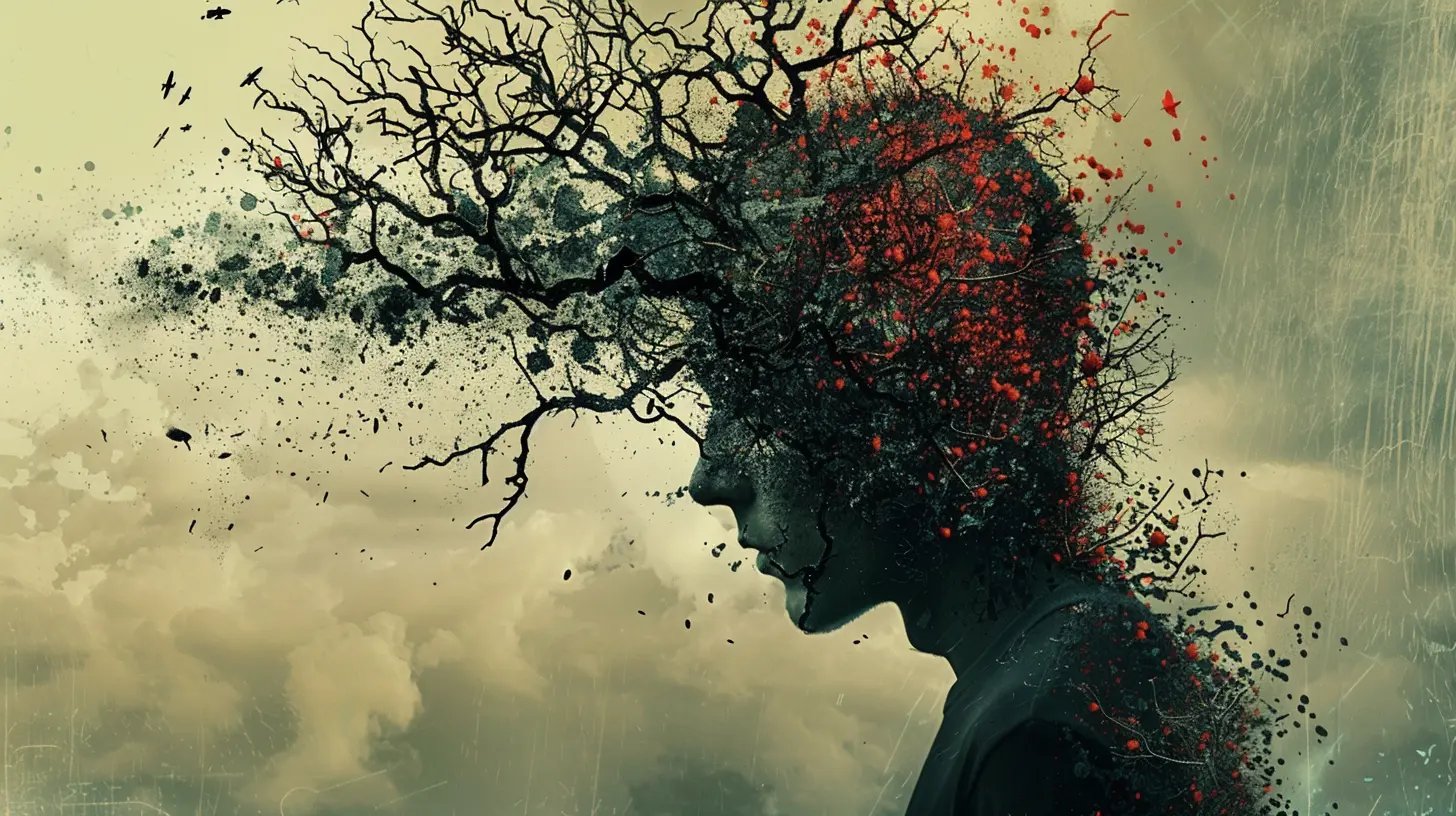
How Disorganized Attachment Affects Adult Relationships
Romantic Relationships
Disorganized attachment makes romantic relationships feel like an emotional maze. People with this attachment style might:- Struggle with commitment but fear being alone
- Feel deeply attached to a partner but constantly expect betrayal
- Be drawn to toxic or chaotic relationships
- Experience extreme ups and downs in love
Friendships
Even friendships can be complicated. Someone with disorganized attachment may struggle to form deep bonds, fearing they will be abandoned or betrayed. They might keep people at arm’s length, even when they want connection.Workplace Relationships
Trust issues and fear of authority figures can make professional relationships difficult. Someone with disorganized attachment might struggle with feedback, misinterpret neutral interactions, or find it hard to feel secure in their job.Can Disorganized Attachment Be Healed?
Absolutely! While disorganized attachment can make relationships difficult, healing is possible with self-awareness, therapy, and intentional effort. Here’s how:1. Therapy and Professional Help
Working with a therapist, especially one trained in attachment theory or trauma, can provide valuable insight into your attachment patterns. Therapy helps rewire your approach to relationships, teaching you that connection can be safe.2. Recognizing and Naming Your Patterns
Awareness is the first step. Once you notice your attachment tendencies, you can start challenging them. Ask yourself: Am I pushing someone away because they genuinely hurt me, or because I'm afraid of being close?3. Practicing Emotional Regulation
Since disorganized attachment leads to intense emotions, learning emotional regulation is crucial. Practices like mindfulness, journaling, and deep breathing can help manage overwhelming feelings in relationships.4. Building Secure Attachments
It may take time, but seeking relationships with emotionally healthy, secure people can help. A secure partner or friend can offer stability that helps undo the unpredictability of past relationships.5. Re-Parenting Yourself
If your childhood lacked stability and love, you can learn to provide it for yourself. Showing yourself kindness, practicing self-care, and learning to trust your own emotions can be incredibly healing.
Final Thoughts
Disorganized attachment may make relationships feel chaotic, but it doesn’t have to control your life. Understanding your attachment patterns is the first step toward healing and creating healthier, more stable connections.If this resonates with you, know that you’re not broken—you’re healing from experiences that shaped your attachment style. And healing is always possible. With time, therapy, and self-awareness, you can build relationships based on trust, safety, and genuine connection.
all images in this post were generated using AI tools
Category:
Attachment TheoryAuthor:

Paulina Sanders
Discussion
rate this article
1 comments
Nellie McCabe
In the dance of tangled hearts, chaos whispers. Healing begins when we embrace our shadows and seek understanding.
August 11, 2026 at 3:56 AM