The Difference Between Sociopathy and Psychopathy: What You Need to Know
17 January 2026
Ever found yourself confused between the terms “sociopath” and “psychopath”? You’re not alone. These words often get thrown around when talking about criminals or people with concerning behavior, but they’re not interchangeable. While both sociopathy and psychopathy fall under the umbrella of Antisocial Personality Disorder (ASPD), they have distinct traits that set them apart.
In this article, we’re going to break down the differences between sociopathy and psychopathy, explore their defining characteristics, and shed light on how they manifest in individuals. So, buckle up — we’re diving deep into the human psyche.

Understanding Antisocial Personality Disorder (ASPD)
Before we jump into the nitty-gritty of sociopathy and psychopathy, it's important to understand what Antisocial Personality Disorder (ASPD) entails. ASPD is a mental health condition that is characterized by a long-term pattern of manipulating, exploiting, or violating the rights of others. People with this disorder often have difficulty conforming to social norms, exhibit impulsive behaviors, and show little to no remorse for their actions.Both sociopathy and psychopathy are considered subtypes of ASPD, but the way they manifest in behavior can be quite different. Let’s dig into what makes each unique.
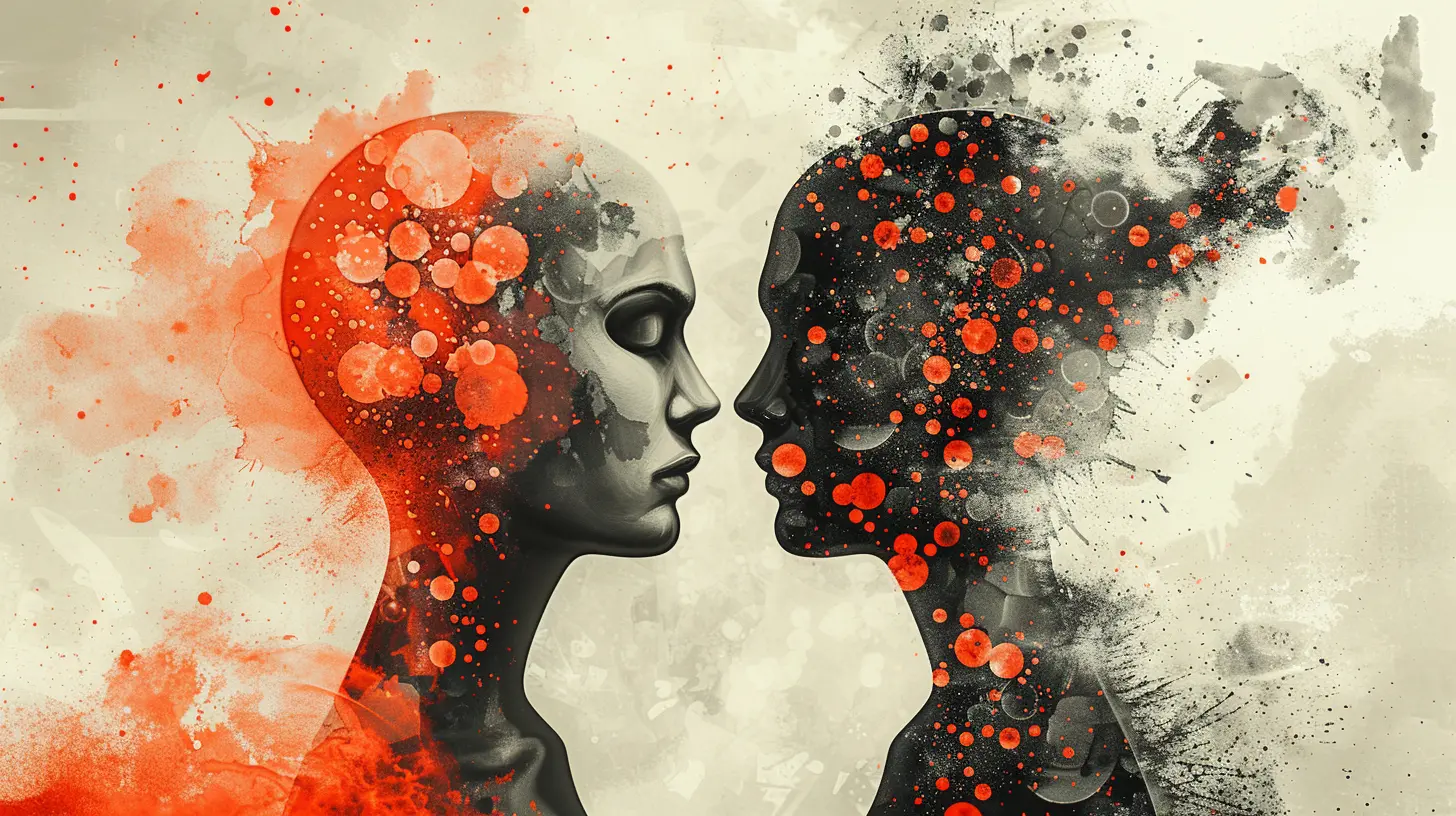
What is Sociopathy?
Sociopathy tends to develop as a result of environmental factors. Think traumatic experiences during childhood, unstable home environments, or inconsistent parenting. Because of this, sociopaths tend to be more emotionally volatile, and their antisocial behavior is often reactive.Key Traits of Sociopathy
1. Impulsive and Erratic BehaviorSociopaths are known for their impulsive tendencies. They often act without thinking about the consequences, and their behavior can be unpredictable. They might fly into a rage over something minor or make spur-of-the-moment decisions that put them or others in danger.
2. Emotional Outbursts
Unlike psychopaths (who we’ll get into in a bit), sociopaths can experience emotions, even if those emotions are skewed. They are prone to anger and frustration, which can lead to aggressive behavior. Their emotional instability makes them more likely to lash out.
3. Difficulty Forming Attachments
While sociopaths struggle with forming deep, meaningful relationships, they can still form attachments to specific individuals or groups. However, these relationships are often superficial and self-serving.
4. Lack of Long-Term Planning
Sociopaths tend to live in the moment, with little regard for the future. Their impulsivity means they rarely think about long-term consequences, and as a result, they may struggle to maintain stability in their personal and professional lives.
How Sociopathy Presents in Daily Life
Sociopaths are more likely to engage in reckless behavior, such as substance abuse, or commit crimes in the heat of the moment. They might be involved in petty theft, assault, or vandalism, but their crimes are typically unplanned and driven by emotional reactions.Because of their erratic nature, sociopaths have a harder time holding down jobs or maintaining relationships. They’re often seen as unreliable or untrustworthy, and their actions can alienate them from others. However, they can still form bonds, albeit shallow ones, with people who are useful to them.

What is Psychopathy?
Psychopathy, on the other hand, is believed to be more of a genetic or neurological condition. Psychopaths are born with certain brain abnormalities that affect how their brain processes emotions, particularly fear and empathy. As a result, their behavior is more calculated, cold, and devoid of emotional depth.Key Traits of Psychopathy
1. Charming and ManipulativePsychopaths are often extremely charming and persuasive. They know how to manipulate others to get what they want, and they do so with surgical precision. Unlike sociopaths, psychopaths are cool, calm, and collected — always thinking a few steps ahead.
2. Lack of Empathy
One of the hallmark traits of a psychopath is their complete lack of empathy. They can’t feel or understand the emotions of others, which allows them to manipulate and harm people without feeling guilty.
3. Calculated Behavior
Psychopaths are meticulous planners. Everything they do is carefully calculated to achieve a specific outcome. They’re patient and willing to wait for the right opportunity to strike, which is why they often engage in more sophisticated criminal activities like fraud or embezzlement.
4. Superficial Relationships
While psychopaths are excellent at pretending to care, their relationships are entirely superficial. They view others as pawns in their game, and they’ll use charm and manipulation to get what they want without forming any genuine emotional connections.
How Psychopathy Presents in Daily Life
Psychopaths are often found in positions of power, whether in business, politics, or even law enforcement. Their cold, calculated nature makes them excellent at climbing the corporate ladder, and they have no qualms about stepping on others to get ahead.In contrast to sociopaths, psychopaths are less likely to act on impulse. Their crimes are usually premeditated, and they often go to great lengths to cover their tracks. This makes them more dangerous, as they’re able to blend in with society and avoid detection for longer periods.

The Key Differences Between Sociopathy and Psychopathy
Now that we've explored each condition in detail, let’s break down the main differences between sociopathy and psychopathy:| Trait | Sociopathy | Psychopathy |
|----------------------|-------------------------------------|----------------------------------------|
| Origin | Environmental factors | Genetic or neurological factors |
| Emotional Control| Emotionally volatile | Cold and calculated |
| Empathy | Limited empathy | Complete lack of empathy |
| Behavior | Impulsive, erratic | Planned, methodical |
| Criminal Tendencies| Crimes of passion | Pre-meditated, often white-collar crime|
| Ability to Form Attachments| Can form shallow relationships| Superficial relationships |
Sociopathy and Psychopathy in Popular Culture
Thanks to movies and television, sociopaths and psychopaths have become popular archetypes in fiction. But, as you might imagine, Hollywood doesn’t always get it right. While there are some accurate portrayals, many characters are exaggerated to make them more entertaining.For instance, Hannibal Lecter from The Silence of the Lambs is often cited as a classic example of a psychopath. He’s cold, calculated, and manipulative — all the while appearing charming and intelligent. On the other hand, characters like Tony Soprano from The Sopranos or Walter White from Breaking Bad may exhibit more sociopathic traits due to their impulsive, reactive nature.
While these characters can offer some insight into the disorders, it's essential not to base our understanding solely on what we see in entertainment.
Why Understanding the Difference Matters
So, why does it matter whether someone is a sociopath or a psychopath? Well, it can make a big difference in how they’re treated, both legally and therapeutically. For instance, sociopaths may respond better to therapy because their behavior is more influenced by their environment. Psychopaths, on the other hand, are less likely to benefit from traditional therapy because of their neurological makeup.In the criminal justice system, understanding these differences can also influence sentencing. Psychopaths, with their calculated and emotionless behavior, may be considered more dangerous and less likely to be rehabilitated than sociopaths, whose crimes are often driven by emotional impulses.
Can Sociopaths and Psychopaths Be Treated?
One of the big questions people often ask is whether sociopaths and psychopaths can change. Can they ever feel empathy or remorse? The answer is... complicated.Treatment for Sociopathy
Because sociopathy is largely influenced by environmental factors, therapy can potentially help. Cognitive-behavioral therapy (CBT) and other forms of psychological treatment can teach sociopaths how to control their impulses and manage their emotions. However, success largely depends on the individual’s willingness to engage in therapy and make changes.Treatment for Psychopathy
Psychopathy, on the other hand, is much more difficult to treat. Since psychopaths lack empathy and remorse, traditional therapies aren’t as effective. Some researchers have explored alternative treatments, such as neurofeedback, but so far, there’s no definitive cure for psychopathy.
Final Thoughts
While sociopathy and psychopathy share some overlapping traits, they are distinct conditions with unique characteristics. Sociopaths tend to be more impulsive and emotionally driven, while psychopaths are cold, calculating, and emotionless. Both conditions fall under the broader category of Antisocial Personality Disorder, but understanding the nuances between them is crucial — especially when it comes to treatment and rehabilitation.So, the next time you hear someone throw around the term “psychopath” or “sociopath,” you'll know the difference!
all images in this post were generated using AI tools
Category:
Personality DisordersAuthor:

Paulina Sanders
Discussion
rate this article
2 comments
Bella McQuiston
Thank you for this insightful article! Understanding the distinctions between sociopathy and psychopathy is crucial for fostering awareness and empathy in mental health discussions. Your clear explanations make these complex topics accessible to everyone. Looking forward to more enlightening content on your blog!
February 24, 2026 at 5:44 AM
Paulina Sanders
Thank you for your kind words! I'm glad you found the article helpful, and I appreciate your support. Stay tuned for more!
Sophie Clarke
Think of sociopathy as the quirky neighbor and psychopathy as the mysterious, too-cool-for-school friend. Both can be fascinating, but one’s got a little more charm—just keep your doors locked!
January 18, 2026 at 5:13 PM
Paulina Sanders
Great analogy! It captures the nuances well—both can be intriguing, but it's essential to approach with caution. Thank you for sharing!