Dissociative Identity Disorder: An In-Depth Analysis
11 April 2026
Ever heard of the phrase “living a double life”? Now, imagine it's not just two lives but multiple. It's not fiction—this is something some individuals experience daily, and it’s called Dissociative Identity Disorder (DID). If you’ve ever wondered what it’s like to have separate identities within the same person, you’re in the right place. In this post, we’re diving deep into DID, a complex and often misunderstood psychological condition.
Let’s break it down together, shall we?

What Is Dissociative Identity Disorder?
First things first—Dissociative Identity Disorder (DID), formerly known as Multiple Personality Disorder, is a mental health condition characterized by the presence of two or more distinct personality states or identities within an individual. These identities may have their own names, ages, genders, preferences, and even memories.Imagine your body is like a house, and each identity is a different tenant. Sometimes, one tenant is in control, but at other times, another tenant might take over without the first even realizing it. Sounds wild, right? But for those with DID, this is their reality.
The condition falls under the category of dissociative disorders, which means that it involves a disconnection or lack of continuity between thoughts, memories, surroundings, actions, and identity. In simpler terms, people with DID experience a break in their sense of self.

How Common Is DID?
DID is relatively rare, affecting around 1% to 3% of the population. That may not sound like a lot, but if you think about it, that means millions of people worldwide could be living with the condition. It’s often underdiagnosed or misdiagnosed because it shares symptoms with other mental health disorders like schizophrenia, borderline personality disorder, and bipolar disorder.
Signs and Symptoms of DID
So, how do you know if someone has DID? Unlike what movies like Split may suggest, DID isn't about sudden, dramatic changes in personality with over-the-top behavior. The reality is much more nuanced. Here are some key symptoms:1. Presence of Multiple Identities
- The defining feature of DID is the existence of two or more distinct identities (often referred to as "alters" or "parts"). Each identity may have its own unique way of interacting with the world. One identity could be a confident adult, while another could be a timid child.2. Memory Gaps
- People with DID often experience amnesia or memory loss that goes beyond typical forgetfulness. For example, they might not remember important personal information, or entire stretches of time might feel like a blank. This can be particularly alarming if they "lose time" during which another alter was in control.3. Dissociation
- Dissociation means feeling detached from your surroundings, your body, or your sense of self. It's like being on autopilot or watching your life from a distance. People with DID experience this more intensely than most.4. Sudden Shifts in Behavior
- The change from one identity to another (often called "switching") can be subtle or more noticeable. You might notice shifts in voice, posture, or even writing style when different alters are in control.5. Depression and Anxiety
- DID often coexists with other mental health issues like depression, anxiety, or Post-Traumatic Stress Disorder (PTSD). These additional layers can make diagnosis tricky.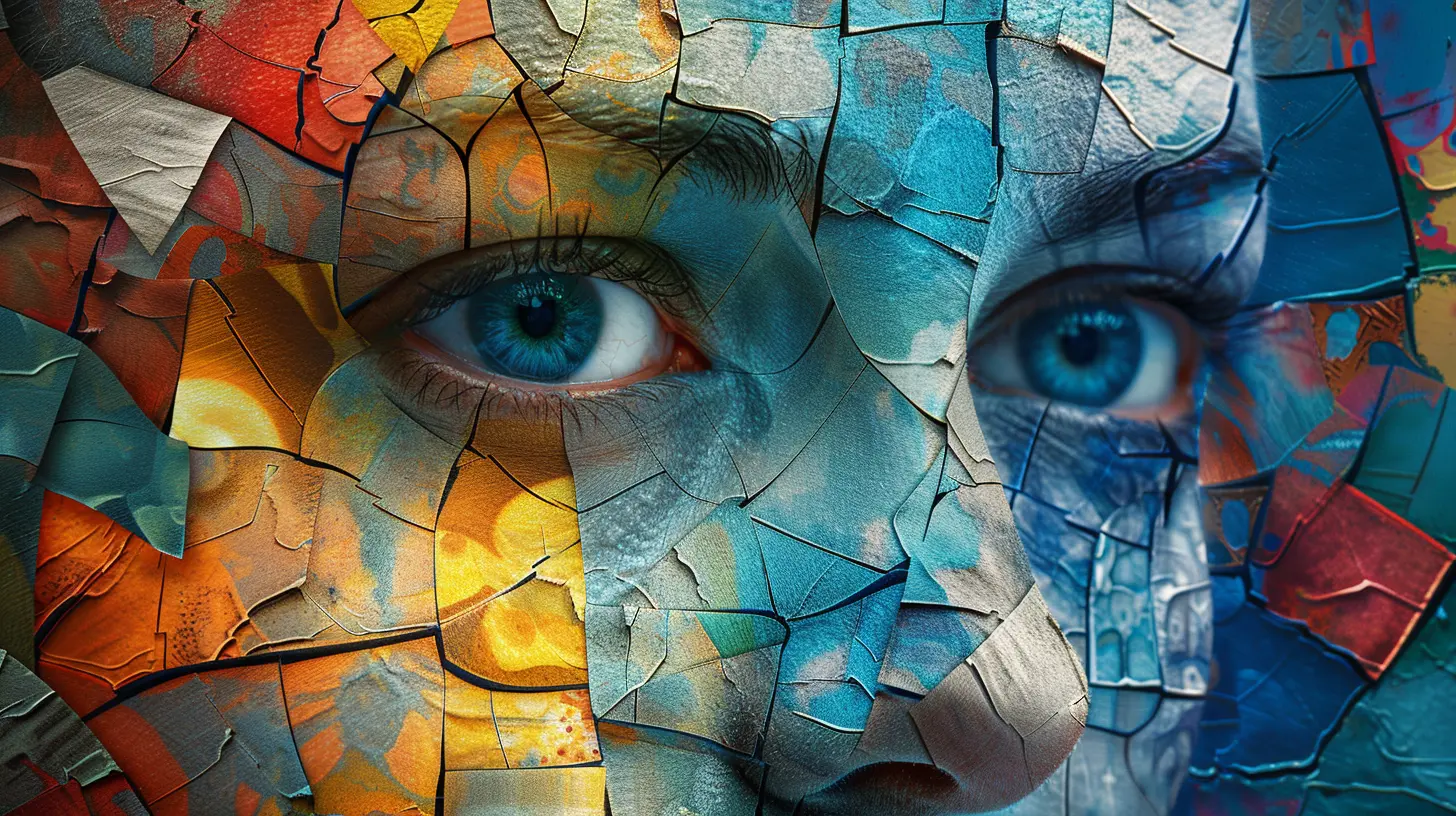
What Causes Dissociative Identity Disorder?
Here’s the million-dollar question: What causes DID?Experts believe that DID is primarily the result of severe and prolonged trauma, especially during childhood. The trauma could stem from physical, emotional, or sexual abuse, neglect, or other life-threatening experiences. Think of a child’s mind as a delicate vase. Trauma acts like a hammer, shattering that vase into many pieces. Each of these pieces becomes a different identity, created to help the child cope with the overwhelming pain.
DID is essentially a survival mechanism. It’s the brain’s way of protecting itself from unbearable experiences by compartmentalizing the trauma into different identities. These identities take on the emotional burdens the person cannot handle alone.
How Is Dissociative Identity Disorder Diagnosed?
You might wonder, how do professionals figure out if someone has DID?Diagnosing DID is no walk in the park. It requires a comprehensive psychological evaluation by a skilled mental health professional. Because DID can mimic other mental health conditions, it’s important to rule out other disorders first.
The diagnostic process typically involves:
- Interviews: A therapist will ask about memory gaps, dissociation, and the presence of different identities.
- Observations: The therapist may notice shifts in behavior or mood that suggest the existence of multiple identities.
- Past Trauma: Since DID is closely linked to trauma, the therapist will likely explore past traumatic experiences.
It’s worth noting that sufferers of DID may not even be aware of their different identities. Sometimes, other people in their life notice the changes before they do.
Living with DID: What’s Life Like?
Let’s get real for a second. Living with DID is challenging—not just for the person affected but for their loved ones, too. Imagine not being able to trust your own memories or not knowing who you’ll be from one moment to the next. It’s disorienting, to say the least.Many people with DID describe feeling fragmented or incomplete. They may feel like they’re missing out on parts of their life because they can’t remember what happened while another alter was in control. Relationships can be tricky because different alters might have different feelings toward the same person.
But let’s not forget: People with DID are not doomed to a life of chaos. With proper treatment, many individuals live full, functional lives.
Treatment for Dissociative Identity Disorder
So, what’s the treatment for DID? Unfortunately, there’s no magic pill to make it go away. However, therapy can be incredibly effective in helping people manage their symptoms.1. Psychotherapy
- Talk therapy (also known as psychotherapy) is the cornerstone of DID treatment. The goal is typically to reintegrate the different identities into a single, cohesive self. This can be a long and difficult process, but it’s possible with patience and the right therapist.2. Cognitive Behavioral Therapy (CBT)
- CBT helps individuals understand and change the negative thought patterns that contribute to their distress. It’s not specifically designed for DID, but it can assist in managing anxiety, depression, and PTSD, which often accompany the disorder.3. Eye Movement Desensitization and Reprocessing (EMDR)
- EMDR is a specialized therapy that’s particularly effective for people with trauma-related disorders like DID. It helps individuals process traumatic memories in a way that feels less overwhelming.4. Medication
- There’s no medication specifically for DID, but doctors may prescribe antidepressants or anti-anxiety medications to manage co-occurring conditions like depression or anxiety.
Misconceptions About DID
DID is often sensationalized in media, leading to a lot of misunderstandings about the disorder. Let’s clear up a few myths:1. Myth: People with DID are violent.
- This is perhaps the most damaging misconception. While Hollywood loves to show people with DID as dangerous or malevolent, the reality is far from that. Most individuals with DID aren’t violent. In fact, they’re more likely to be victims rather than perpetrators of violence.2. Myth: DID isn’t real.
- Some people believe that DID is "made up" or a form of attention-seeking. But DID is a real, clinically recognized disorder, supported by decades of research.3. Myth: People with DID can’t recover.
- While DID is a lifelong condition, many people successfully manage their symptoms through therapy and lead fulfilling lives.The Road to Understanding
So, what’s the takeaway? Dissociative Identity Disorder is an incredibly complex and often misunderstood condition. It’s not about people "faking it" or "acting out." DID is a legitimate mental health disorder that stems from profound trauma.For those living with DID, the journey toward healing is long but not impossible. With the right treatment and support, individuals can learn to navigate their inner world and find a sense of peace.
What’s important for all of us? To approach DID—and any mental health condition—with empathy, understanding, and an open mind. After all, we all have different ways of coping with life’s challenges, don’t we?
all images in this post were generated using AI tools
Category:
Psychiatric DisordersAuthor:

Paulina Sanders
Discussion
rate this article
2 comments
Iris Porter
This article offers a comprehensive look at Dissociative Identity Disorder, highlighting its complexities and individual experiences. The exploration of treatment options and coping strategies adds valuable insights for those affected or interested in the topic. Understanding these identities is key to fostering empathy and support for those navigating this challenging condition.
July 22, 2026 at 3:49 AM
Paulina Sanders
Thank you for your thoughtful comment. I'm glad you found the article insightful and focused on empathy and understanding.
Renata McKittrick
Thank you for shedding light on such a complex topic. Your insights help foster understanding and compassion for those navigating Dissociative Identity Disorder.
April 12, 2026 at 3:04 AM
Paulina Sanders
I appreciate your kind words. I'm glad to hear the insights resonated with you.