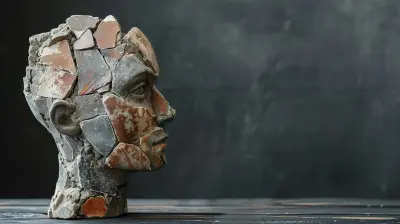
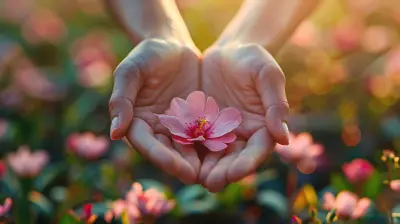
Healing Through Creativity: Art Therapy for Trauma Recovery
5 April 2026
When life throws us into the depths of emotional pain, finding a way back to stability can feel like climbing a mountain with no top in sight. But what if healing didn’t have to be all words and talk therapy? What if you could slowly unravel your emotional knots with a paintbrush, a lump of clay, or even a collage of magazine cutouts? That’s where art therapy steps in—gentle, powerful, and surprisingly effective.
Welcome to the world of healing through creativity. Whether you’re navigating the aftermath of trauma or supporting someone who is, this guide will open up a new way of understanding recovery. Let’s dive into why art therapy is more than just making crafts—and how it can become a lifeline for trauma survivors.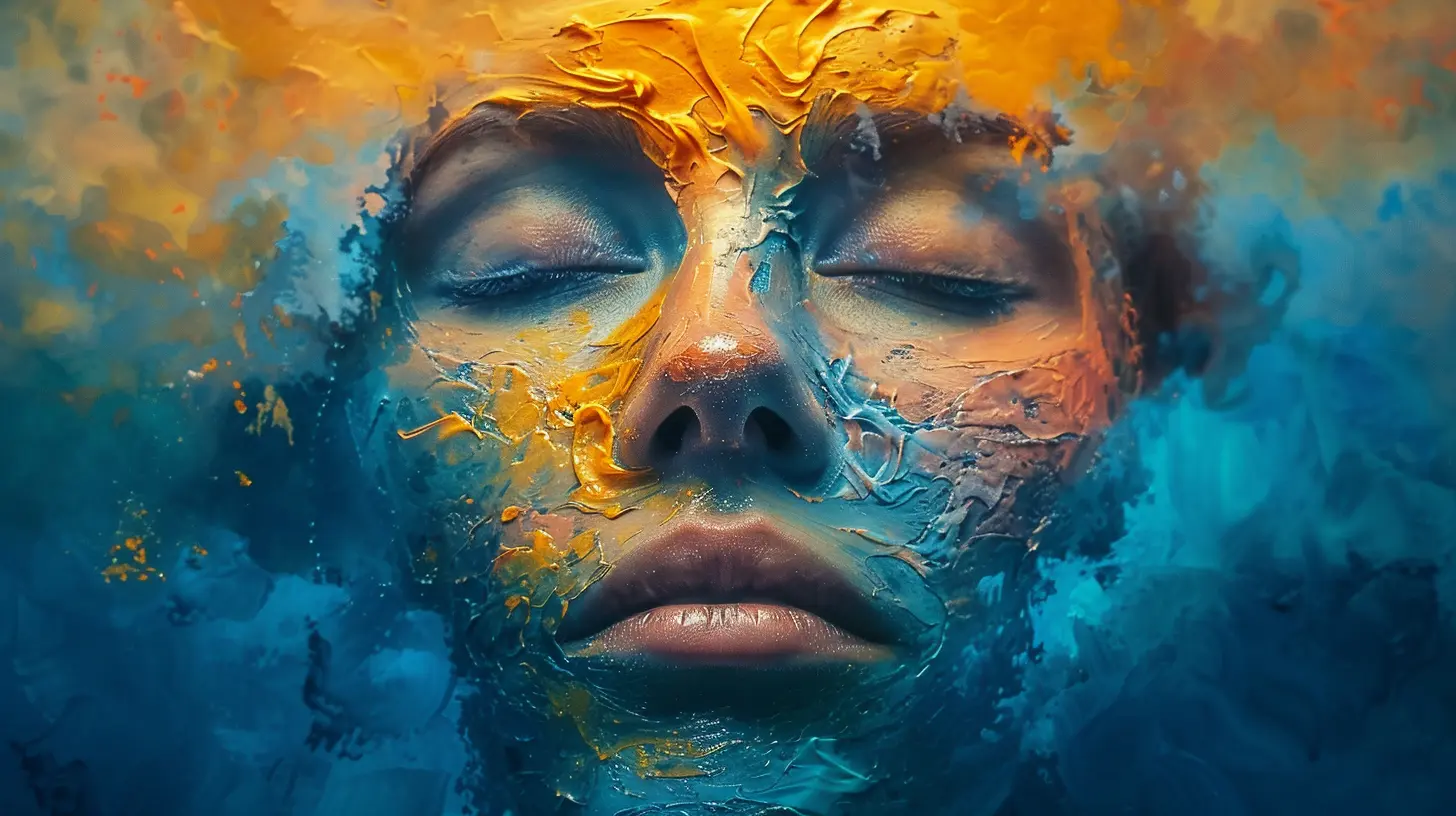
What Is Art Therapy?
At its core, art therapy is a form of expressive therapy that uses the creative process of making art to improve a person’s physical, mental, and emotional well-being. It isn’t about creating beautiful masterpieces. It’s about expressing yourself when words feel too heavy or even impossible.Art therapy is guided by professional therapists who are trained in both psychotherapy and visual arts. The goal? Help individuals process emotions, increase self-awareness, and begin the journey toward healing—especially after trauma.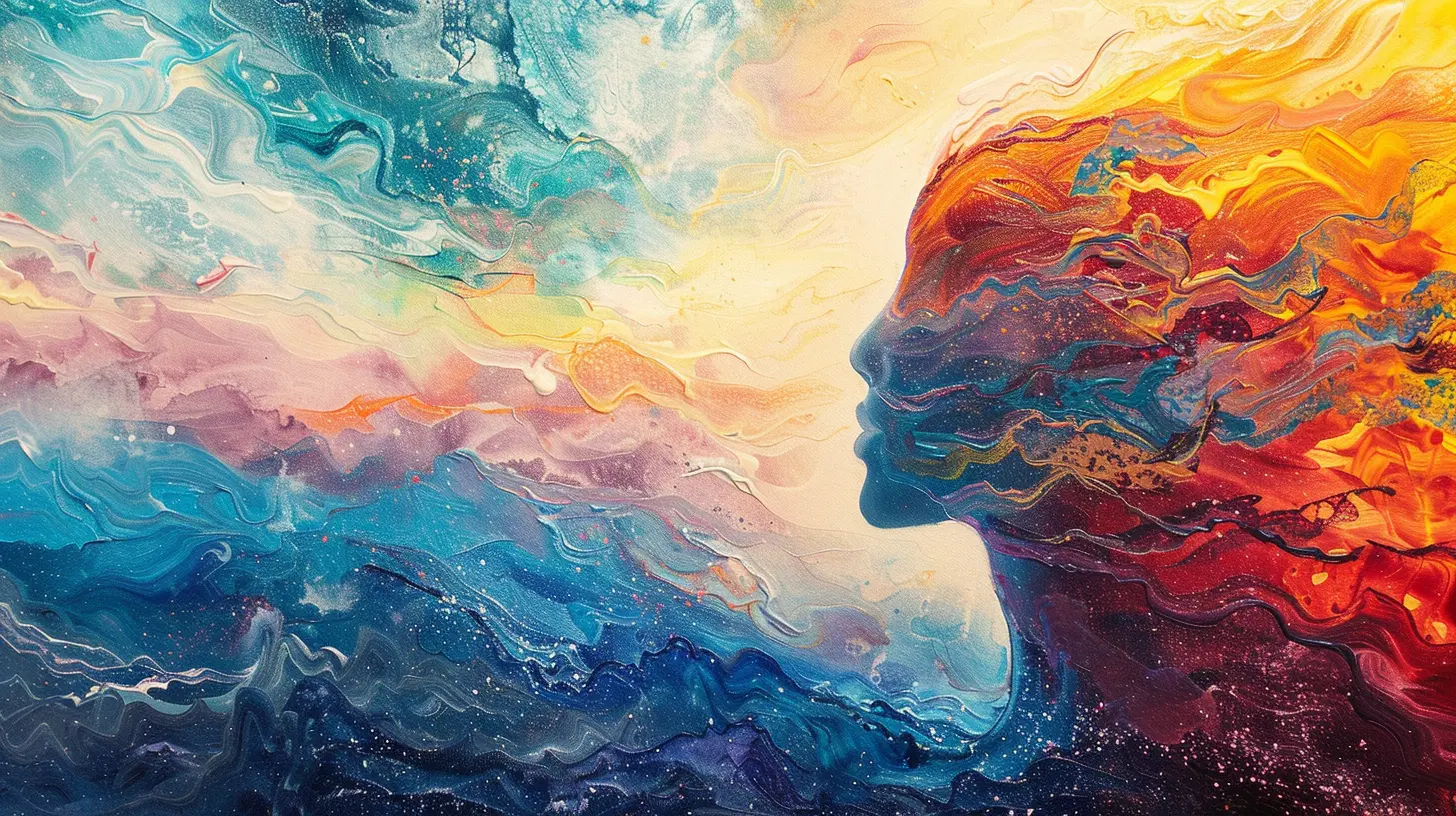
Understanding Trauma: Why Talking Isn’t Always Enough
Trauma changes us. Whether it’s from abuse, loss, war, illness, or a catastrophic event, trauma embeds itself deeply into our nervous system. It can mess with memory, emotions, and even physical health. When you're traumatized, your brain can go into survival mode—and sometimes, it stays there.The thing is, traditional talk therapy doesn’t always reach the places where trauma hides. It’s like trying to untangle a necklace knot with just your fingers when you really need a needle. Words can fail us. Our stories become stuck in our throats. That’s where art comes in—art speaks for us when we can’t.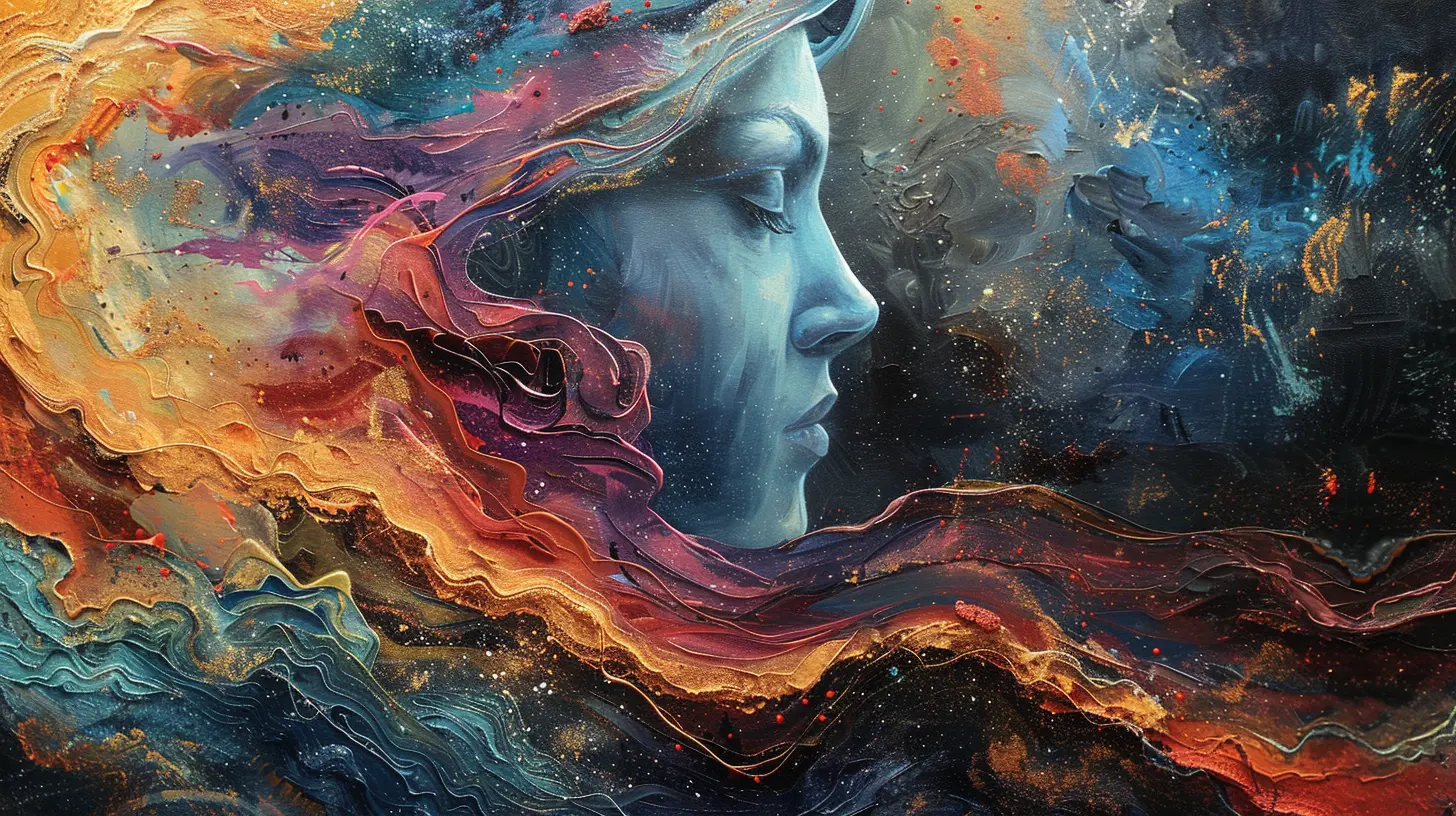
How Art Therapy Helps Heal Trauma
1. Offers a Safe Outlet
Art therapy gives you a safe space to let it all out without judgment. It’s private. It’s personal. Whether you’re smearing paint with your fingers or molding a figure from clay, the process can be both cathartic and grounding.2. Helps Express the Inexpressible
Many trauma survivors don’t have the words to describe what happened to them. And even if they do, talking can sometimes be re-traumatizing. Art, on the other hand, bypasses the verbal part of the brain and taps into the limbic system—the same area that stores trauma.3. Reconnects Mind and Body
When we experience trauma, we often disconnect from our bodies. Art therapy helps bridge that gap. Creating something physical reintroduces body awareness. You start to feel again—in a safe, controlled way.4. Encourages Self-Compassion
Trauma survivors often struggle with shame and self-blame. Art offers a chance to reflect, see your inner world without judgment, and—over time—begin to accept yourself again.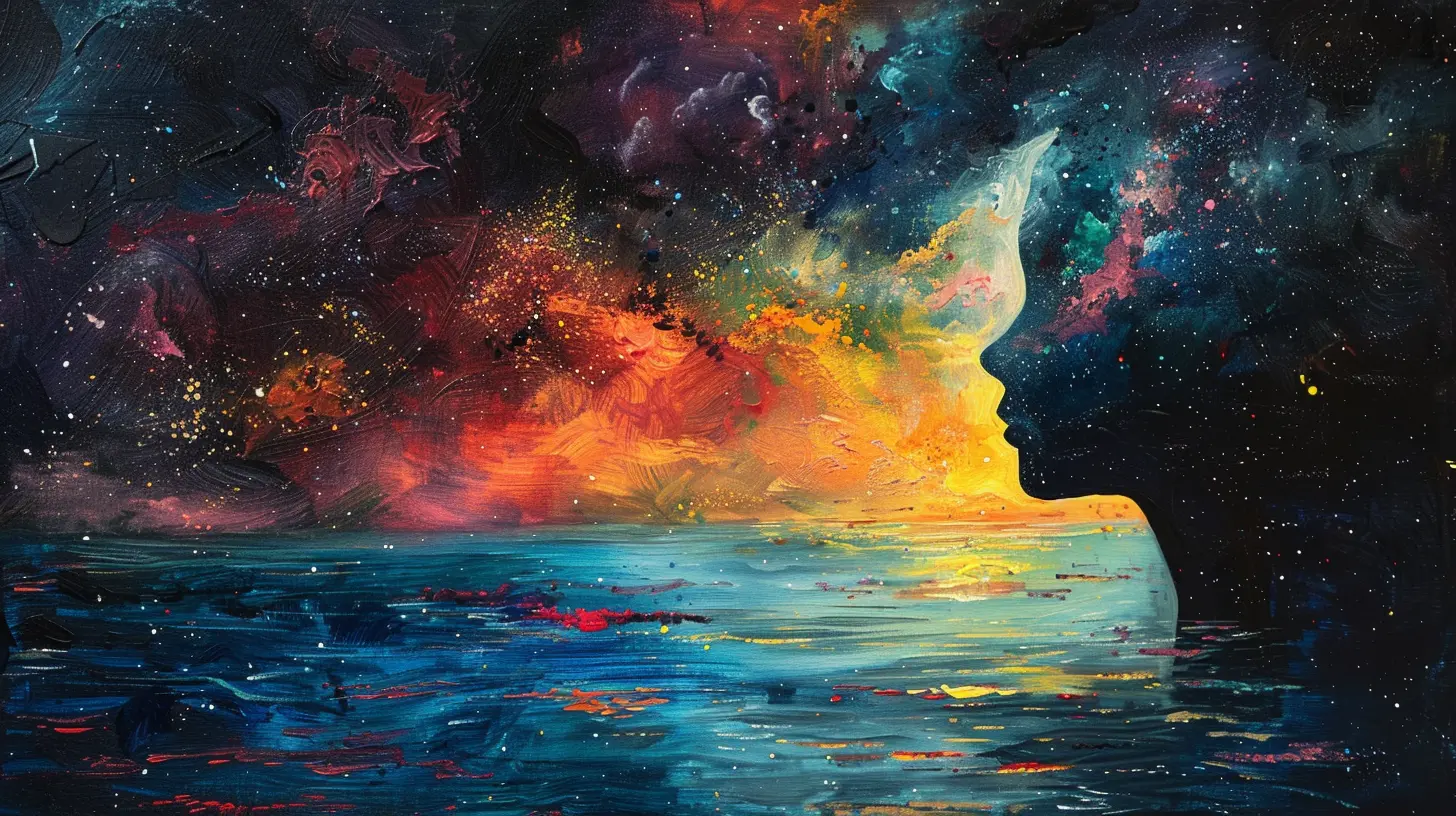
Different Forms of Art Therapy
You don’t have to be the next Picasso to benefit from art therapy. Let’s break down some of the most common techniques:Painting and Drawing
One of the simplest and most versatile forms. Colors, shapes, and textures can represent emotions in a way words never could. Abstract art especially helps convey feelings that are hard to define.Collage
Cutting and pasting images from magazines or newspapers to create expressive pieces is surprisingly meaningful. Each image you choose reflects something about your inner experience.Clay and Sculpture
Working with your hands in three dimensions is deeply grounding. It brings a tactile element that helps reconnect you with your body and your environment.Journaling with Art
Combining writing with visual elements encourages both cognitive and emotional processing. Watercolors and doodles can sit right next to your thoughts and memories.Mandalas
These circular, symmetrical drawings help you feel centered and calm. The repetition and structure are soothing—perfect for those struggling with anxiety or flashbacks.Real-Life Benefits of Art Therapy in Trauma Recovery
Science backs this up, folks. Several studies show that art therapy can significantly reduce symptoms of PTSD, depression, and anxiety in trauma survivors. It improves emotional regulation, boosts self-esteem, and even enhances interpersonal relationships.Here's the magic: it’s not just about the finished artwork. It's the act of creating that heals. Think of it like this: every time you pick up a brush or scribble with a crayon, you’re writing a love letter to your wounded self.
Who Can Benefit?
Short answer? Everyone. But here’s a more detailed look:- Children: Especially effective for kids who have faced abuse, neglect, or medical trauma. They may not have the vocabulary to talk about what happened—but they can show it through pictures.
- Veterans: Many returning soldiers use art therapy to manage PTSD and traumatic grief.
- Survivors of Domestic Violence: A creative outlet can empower survivors to reclaim their voice and identity.
- First Responders and Medical Professionals: These roles come with secondary trauma. Art therapy helps unpack the emotional baggage they carry home.
- Anyone Who Feels “Stuck” in Their Healing: Even if you’ve tried other forms of therapy, creative expression might be the missing piece.
What a Typical Art Therapy Session Looks Like
Let’s set the scene. You walk into a quiet room. There are paints, markers, clay, maybe even some calming music. Your therapist gives you a prompt—but it’s optional. You can follow it or go your own route.You might be asked to draw your emotions, represent a memory, or create something that symbolizes your current state. There’s no grading, no criticism. And when you're done, your therapist might explore the piece with you—but only if you feel comfortable.
Some days, you’ll feel like talking. Other days, the art will do all the talking for you. That’s the beauty of it.
Why Creativity is a Powerful Healing Tool
Think about it like this: trauma often involves losing control. Suddenly, your world isn’t safe or predictable. But creating something—anything—puts you back in the driver’s seat.You choose the colors. You decide where the lines go. You shape something from chaos. That simple act gives you agency. And agency is healing.
Creativity also activates the right side of the brain—the same area that helps us process trauma, emotions, and memories. So, in a very real way, making art rewires the brain toward healing.
Art Therapy Tips for Beginners
You don’t have to wait until you find a professional to get started. Here are a few ways to dip your toes into the healing waters of creativity:- Start simple: Grab a sketchbook and some colored pencils. No need to go fancy.
- Create without judgment: There’s no such thing as “bad art” in therapy.
- Set the mood: Soft lighting and music can make your art sessions feel sacred.
- Use prompts: Try questions like “What does my sadness look like?” or “If my pain had a shape, what would it be?”
- Reflect after creating: Don’t just put the artwork away. Look at it. Ask yourself what it's saying.
If you’re facing severe trauma, it’s always a good idea to work with a trained art therapist. They can guide you through the tough stuff safely.
Final Thoughts: Healing Is Not Linear, But It Is Possible
Let’s be real—trauma recovery isn’t a straight line. It's messy. Some days feel like progress, others like you're falling back into the same hole. That’s okay. Healing isn’t about perfection. It’s about movement.Art therapy offers more than just a coping mechanism. It provides a bridge—from silence to expression, from fragmentation to wholeness. And you don’t need to be an “artist” to walk across it. You just need to show up, with a little curiosity and a willingness to try.
So, the next time words fail you, pick up a paintbrush. Let your hands speak for your heart. Because sometimes, the path to healing is painted, not spoken.
all images in this post were generated using AI tools
Category:
Emotional TraumaAuthor:

Paulina Sanders
Discussion
rate this article
2 comments
Danica McQuaid
In strokes of color and whispered dreams, We weave our wounds into vibrant seams. Art, a gentle balm for the soul’s deep ache, Guides us through shadows, as new paths we make.
April 15, 2026 at 4:23 AM
Paulina Sanders
Thank you for capturing the essence of art's healing power. It truly transforms pain into beauty and guides us towards hope.
Zelda McGrady
Art therapy offers a unique and powerful approach to healing from trauma creatively.
April 9, 2026 at 4:50 AM
Paulina Sanders
I completely agree. Art therapy taps into our creative instincts, allowing for healing in ways traditional methods may not.