How Gratitude Can Boost Your Resilience During Tough Times
27 March 2026
Life can hit hard sometimes, right? Whether it’s a breakup, a job loss, a health scare, or just the general chaos of the world, tough times are part of being human. But here’s something you might not expect: gratitude—the simple act of recognizing what’s good in your life—can actually make you emotionally stronger and more able to bounce back when everything feels like it’s falling apart.
Sounds a bit fluffy? Maybe. But science and experience back it up. Gratitude isn’t just a nice feeling—it’s a powerful tool that helps build resilience, and in this article, we’re going to break down just how that happens.
What Is Resilience Anyway?
Before we dive into the gratitude part, let’s clear up what resilience really means. It’s more than just “being tough.” Ever see one of those inflatable punching bags that pops back up every time you knock it down? That’s resilience. It’s the ability to bend without breaking, to face adversity and keep moving forward rather than getting stuck or giving up.Resilience doesn’t mean ignoring your pain or pretending everything’s fine. It’s about adapting, learning, and staying grounded—even when life’s a mess.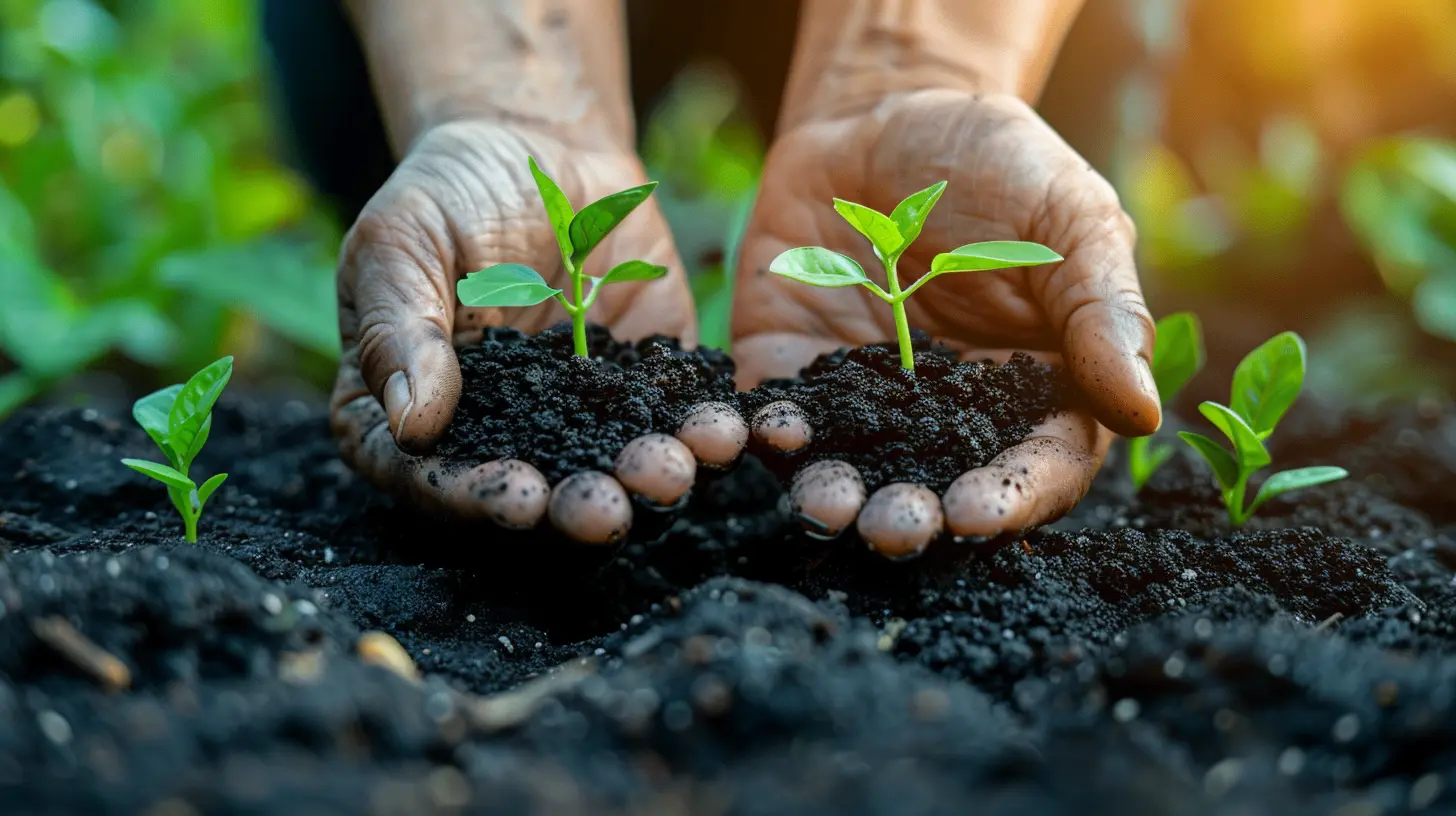
The Connection Between Gratitude and Resilience
Now, how does gratitude fit into this picture? At first glance, being thankful seems like a warm and fuzzy concept that’s more suited for Thanksgiving dinner than for serious psychological growth. But that’s where the magic lies.Let’s break it down: Gratitude shifts your focus from what’s going wrong to what’s still right. And that small shift, over time, changes everything.
1. Gratitude Rewires Your Brain
Your brain is kind of like a muscle, and gratitude is the workout. Practicing gratitude regularly actually strengthens the neural pathways associated with positivity and emotional regulation. In simple terms? The more you focus on what you're thankful for, the easier it becomes to see the good in situations—even when life sucks.Neurologically, gratitude activates the brain regions associated with dopamine and serotonin, the so-called “feel-good” chemicals. This helps you feel more at peace and less overwhelmed, even when you’re facing challenges.
2. It Helps Counteract Negative Emotions
During hard times, it’s easy to spiral into anxiety, fear, or hopelessness. Gratitude acts like a buffer. It doesn’t erase the hard stuff but gives your mind something to hold onto that’s stable and positive.Think of gratitude as emotional armor. When life throws punches, gratitude absorbs some of the blow. You’re not denying the pain—you’re just reminding yourself that not all is lost. This mindset shift can be the difference between crumbling under pressure or standing your ground.
3. Gratitude Fosters a Growth Mindset
Resilient people usually have one thing in common: they see setbacks as setups for comebacks. Gratitude plays a role here by helping you reframe situations. Instead of thinking, “Why is this happening to me?” you start asking, “What can I learn from this?”This shift isn’t just motivational fluff—it’s a real cognitive reframe. Gratitude makes it easier to extract meaning from hardship and keep moving forward with a renewed sense of purpose.
Real-Life Examples: Gratitude in Action
Let’s make this real. Imagine two people going through the same tough breakup. One spends all their energy dwelling on what went wrong and feeling like life is over. The other journals each night about what they’re still grateful for—friends who are checking in, memories that were once beautiful, and the lessons they’re learning. Guess who’s more likely to heal faster and come out stronger? You guessed it—the grateful one.Or think about someone facing a serious illness. Staying grateful for supportive family members, compassionate nurses, or even just the chance to enjoy a good cup of coffee can keep their spirits grounded and prevent emotional burnout.
We’re not saying gratitude makes pain go away. It just gives that pain a softer place to land.
How to Practice Gratitude When Times Are Tough
Alright, so we’ve established that gratitude is powerful. But how do you actually practice it when everything feels like it's crumbling? When the last thing you want to do is “feel thankful”?Good news: Most gratitude practices are simple. They don’t require hours of free time or a Zen level of calm. Here are a few you can start today:
1. Keep a Gratitude Journal
This one’s classic for a reason. Each day, jot down 3 to 5 things you’re thankful for. They don’t have to be big. Sometimes it’s as simple as, “My cat curled up next to me while I cried,” or “The sun came out after a week of rain.”The goal here isn't to sugarcoat life. It’s to balance the bad with the good.
2. Say It Out Loud
Sometimes, we don’t truly feel grateful until we say it. Tell a friend or partner something you appreciate about them. Thank your body for getting you through a rough day. Speak it out—it adds weight to the words and helps them sink in.3. Use Visual Reminders
Put sticky notes with grateful thoughts on your mirror. Set a phone wallpaper with an inspiring quote or photo of someone you love. Little visual cues can keep your brain on the gratitude track, even when stress tries to derail it.4. Practice Mindful Gratitude
When you’re going through the motions—showering, eating, walking—take a moment to tune into your senses. What do you smell, hear, see, or feel that brings comfort or joy, even if just a little bit? Mindfulness helps gratitude take root in the present moment, instead of staying trapped in abstract thoughts.5. Write a Gratitude Letter
Think of someone who’s had a positive impact on you. Write them a heartfelt letter telling them why you’re grateful. You can send it or just keep it to yourself. Either way, the emotional lift from expressing appreciation is huge.The Ripple Effect of Gratitude
Here’s something cool: gratitude doesn’t just help you—it helps others around you too. When you make gratitude a regular practice, it starts to shift your energy. People notice. You become more grounded, more compassionate, and more connected.This ripple effect deepens your relationships and builds a support system that’s critical during tough times. Gratitude builds bridges when you might otherwise isolate.
And let’s face it—being around grateful, kind people is just…nicer.
Common Myths About Gratitude
Before we wrap up, let’s bust a few myths that often get in the way of embracing gratitude, especially when life’s rough.“I Can’t Be Grateful AND Struggling”
False. Gratitude isn’t about choosing one emotion over another. You can be hurting and still thankful in the same breath. It’s not an either/or—it’s a both/and.“Gratitude Is Just Pretending Things Are Fine”
Nope. Gratitude is not denial. It’s perspective. You’re not turning away from pain—you’re simply refusing to let it be the only voice in your head.“I Don’t Have Anything to Be Grateful For”
That’s a tough one, especially when you're in deep. But even in the harshest moments, something small can spark gratitude—a stranger’s smile, a warm bed, a memory that still makes you laugh. Start small. Gratitude grows with practice.Final Thoughts
Gratitude is more than a feel-good philosophy. It’s a scientifically-backed, practically-proven tool that helps build the kind of emotional strength we all need during hard times. It won’t erase your struggles, but it will shift how you carry them.It’s like a flashlight in the dark. It might not change the size of the darkness—but it helps you find your footing, one grateful step at a time.
So, yeah—things get tough. But guess what? So do you. And gratitude? That’s part of your toolkit.
all images in this post were generated using AI tools
Category:
ResilienceAuthor:

Paulina Sanders
Discussion
rate this article
2 comments
Zareth Jenkins
In gratitude’s embrace, strength unfurls; amidst life’s storms, its light illuminates our path, nurturing resilience in the heart.
April 3, 2026 at 4:16 AM
Paulina Sanders
Thank you for your beautiful words! Gratitude truly does have the power to illuminate our journey and strengthen us during challenging times.
Ryan McClary
What a wonderful reminder! Gratitude truly is a powerful tool for building resilience. In tough times, focusing on what we appreciate can lift our spirits and strengthen our resolve. Embracing gratitude can transform our mindset and help us navigate challenges with a more positive outlook. Thank you for sharing!
March 28, 2026 at 4:08 AM
Paulina Sanders
Thank you for your insightful comment! I'm glad you found the article helpful. Embracing gratitude truly does make a difference in tough times.