How to Create a Safe Emotional Space for Your Child
1 May 2026
Let’s imagine your child’s mind like a small, tender seed. For it to grow into a strong and healthy tree, it needs rich soil, sunlight, and consistent care. But instead of water and sunlight, your little one needs love, patience, empathy, and trust. That’s what an emotional safe space is. It’s the emotional soil where children learn to trust, to express themselves, and to feel accepted—no matter what they’re going through.
If you've ever asked yourself, “How can I help my child feel safe to talk to me?” or “What if they don't open up?”, you're not alone. As parents or caregivers, building that emotional environment can feel like walking a tightrope. But the good news is—it’s totally doable. And you're in the right place.
In this article, I’ll walk you through powerful, simple ways to make your home a safe haven for your child’s emotions. And don’t worry—we’re not aiming for perfection, just progress.
What Is an Emotional Safe Space, Anyway?
Before we dive into the "how," let's get clear on the "what."An emotional safe space is a place (and feeling) where your child knows they won’t be judged, yelled at, or dismissed for expressing their thoughts or feelings—even the uncomfortable ones. When a child feels emotionally safe, they're more likely to:
- Speak openly about fears and worries
- Develop strong self-esteem
- Build trusting relationships
- Learn to regulate their emotions in healthy ways
It’s not about being a perfect parent—it’s about being a consistent, caring presence in your child’s life.
Why Is Emotional Safety So Important for Kids?
Think about it—how do you feel when someone shuts you down, mocks your ideas, or ignores your pain? That sting? It’s even sharper for children, whose brains are still developing. Emotional safety is the bedrock of a child’s mental and emotional health.Emotionally safe children are more likely to:
- Be resilient in tough situations
- Manage stress better
- Navigate friendships with empathy
- Develop a strong sense of identity
Now, imagine what they’ll carry into adulthood with this strong foundation. That’s the long game.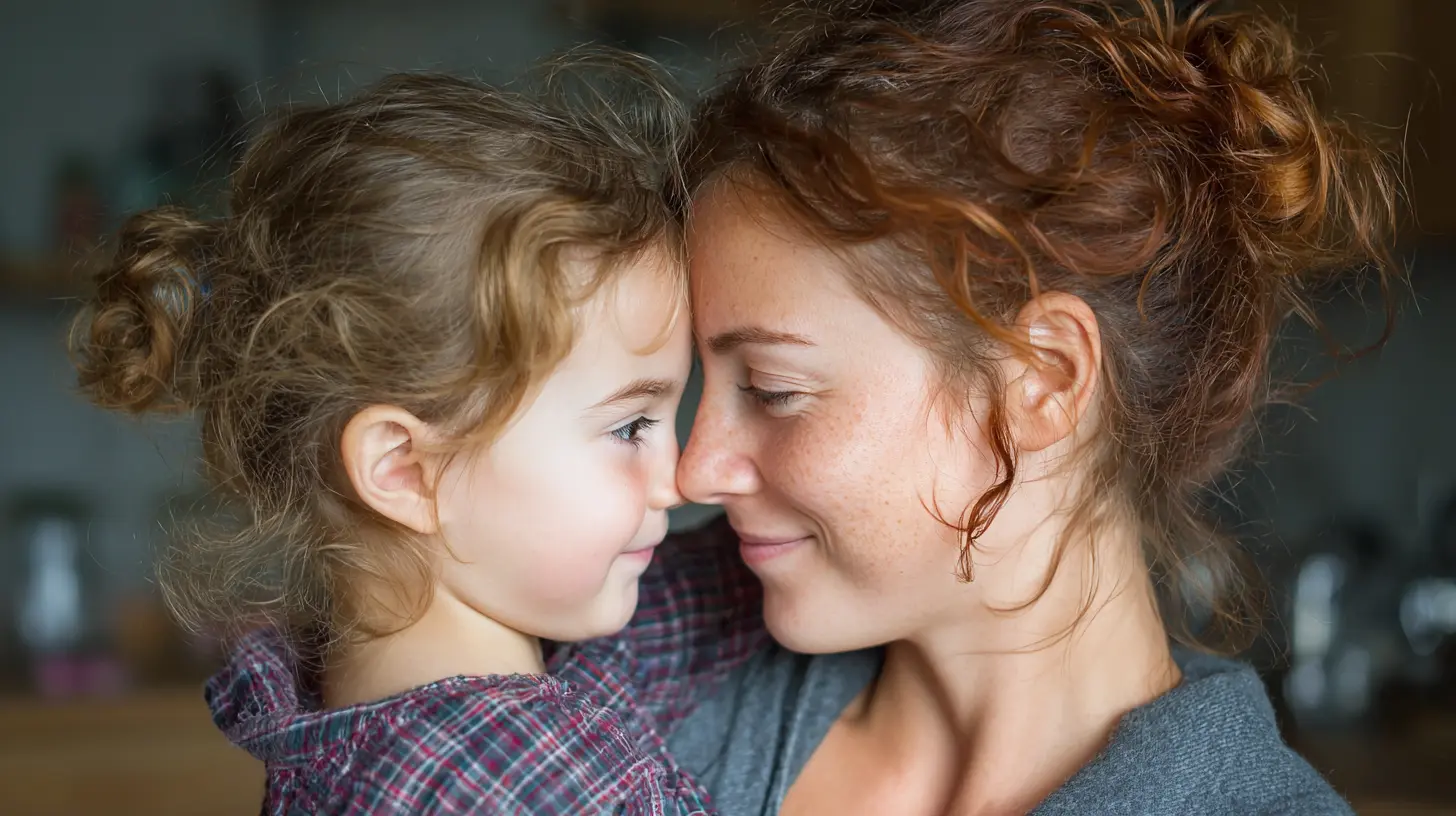
1. Listen Without Judgment
Sounds simple, right? But it’s harder than it looks.When your child opens up, your brain might go into fix-it mode. You want to give advice, correct them, or even downplay what they’re feeling. But in that moment, your job isn't to solve—your job is to hear.
Here's What You Can Do:
- Pause before responding. Let them finish.- Use phrases like:
- "That sounds really tough."
- "I'm so glad you told me."
- "How did that make you feel?"
- Avoid jumping in with:
- “You’ll be fine.”
- “That’s not a big deal.”
- “When I was your age…”
Think of yourself as a mirror. Reflect what they feel, so they know you’re truly listening.
2. Validate Their Feelings—Even If You Don’t Understand Them
Ever rolled your eyes when your kid cried over something like a broken crayon or spilled juice? Totally normal. But for them, that crayon might be their prized possession. Or the juice spill might be the final straw in a tough day.Emotional validation doesn’t mean you agree, it means you acknowledge.
Try This:
- "Yeah, I can see why that made you upset."- "It’s okay to feel frustrated about that."
- "You’re allowed to feel sad right now."
It might seem small, but validation is like emotional oxygen—it lets kids breathe.
3. Create a No-Blame Zone
Kids mess up. A lot. Whether it’s a bad grade, a lie, or a broken vase, how you react matters. If every mistake leads to yelling or guilt-tripping, your child will start hiding things from you—and from themselves.Instead, aim to create a culture of accountability, not fear.
Shift Your Reactions:
- Ask: “What do you think went wrong?” instead of “Why did you do that?”- Say: “Let’s figure out how to fix this together,” instead of “I told you so.”
- Separate the behavior from the child: “That wasn’t a good choice” vs. “You’re so careless.”
When kids know mistakes don't equal rejection, they develop courage to take responsibility.
4. Model Emotional Honesty
Here’s the truth: Kids become what they see.If you bottle up your own emotions or explode unpredictably, your child takes that in and learns, “That’s how people handle feelings.” Instead, show them what emotional honesty looks like.
Be Transparent (Age-Appropriately):
- “I’m feeling really overwhelmed today, so I might be a bit quiet.”- “I snapped earlier. That wasn’t okay, and I’m sorry.”
This builds trust like nothing else.
You’re not just telling them it’s okay to feel—you’re showing them how to do it.
5. Create Rituals of Connection
Connection doesn't require grand gestures. It thrives in tiny, consistent moments where your child feels seen and safe.These rituals can be as simple as:
- A nightly 5-minute check-in where you ask, “Is there anything on your heart today?”
- A weekly “Mom/Dad & Me” date—just the two of you
- Sending them little notes in their lunchbox or backpack
These moments become sacred. They tell your child, “No matter what, I’m here.”
6. Set Boundaries with Compassion
An emotional safe space doesn’t mean letting your child do whatever they want. In fact, boundaries are a vital part of emotional safety. But it’s all in the delivery.Think: Firm but Kind.
Instead of:- “Stop whining or I’ll take your toy!”
Try:
- “I hear you’re upset. We can talk more when you’re ready to use kind words.”
Boundaries help your child feel secure. When they know what to expect, they can relax into your leadership. It’s like driving with clear road signs vs. total chaos.
7. Be Consistently Present
Life is hectic. Work calls. Dishes pile up. Sometimes you’re running on fumes. But emotional safety is built not in the big moments, but in the everyday presence.You don’t have to be on all the time.
Just be there.
- Sit quietly as they do homework
- Listen while they ramble about Minecraft
- Watch their favorite show with them—even if you don’t get it
It says: “You matter. I want to be where you are.”
8. Encourage Emotional Expression Through Play
Kids don’t always have the words to say, “I’m sad” or “I’m scared”—but they do have LEGOs, dolls, drawings, and imaginary friends.Play is their language.
Join them in it.
- Ask open-ended questions about their drawings: “Tell me what’s happening here.”
- Role-play situations with toys: “How did the bunny feel when she got left out?”
- Don’t analyze—just engage.
You’ll be surprised how much emotion lives inside your child’s playtime.
9. Celebrate Their Emotional Wins
When your child handles a tough feeling well—like calming themselves down, apologizing, or asking for help—celebrate it!Emotionally safe kids feel proud of their growth.
Say things like:
- “I saw how you took a deep breath when you were angry. That was awesome.”
- “It took courage to tell me you were scared. I’m proud of you.”
These moments reinforce emotional resilience and boost confidence.
10. Ask Supportive Questions Often
Instead of the usual “How was school?” (which gets answered with a shrug), try digging deeper with open-ended, emotionally tuned questions.Try:
- “What made you smile today?”
- “Was there anything that felt unfair?”
- “If your feelings were a color today, what would it be?”
These questions open the door without forcing your child to walk through it.
Final Thoughts: It’s About Progress, Not Perfection
Look, you won’t always get it right. And that’s okay. Creating an emotional safe space isn’t about being a flawless parent—it’s about showing up, staying curious, and repairing when things go wrong.Think of it as building an emotional home, brick by brick. Some days a brick might fall—but you can always pick it back up and keep going.
Your child doesn’t need perfect.
They need present.
They need patient.
They need you.
And you're more than capable of being that anchor in their emotional storm.
all images in this post were generated using AI tools
Category:
ParentingAuthor:

Paulina Sanders
Discussion
rate this article
1 comments
Ava McLean
Creating a safe emotional space fosters trust and open communication.
May 10, 2026 at 4:29 AM
Paulina Sanders
Absolutely, trust is key. When kids feel safe, they are more likely to share their feelings.