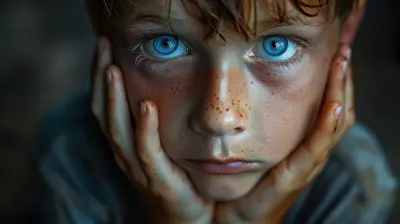
The Connection Between Resilience and Creativity
9 August 2026
Have you ever found yourself wondering how some people bounce back from failure and still come up with brilliant, out-of-the-box ideas? It’s not a coincidence. There’s a deep and fascinating connection between resilience and creativity — two psychological superpowers that, when combined, can help us thrive in life’s toughest moments.
Let’s dive into the psychology behind these traits, why they fuel each other, and how you can cultivate both to turn setbacks into comebacks—and maybe even masterpieces.
What Is Resilience, Really?
We hear the word all the time, but what does it actually mean? Resilience isn’t about pretending everything’s fine when it’s not. It’s about facing challenges head-on, adapting to adversity, and bouncing back stronger.Think of resilience like a mental rubber band. You can stretch it when life pulls at you, but it snaps back into shape instead of breaking. It's not something you either have or don’t—it's a skill you can build over time.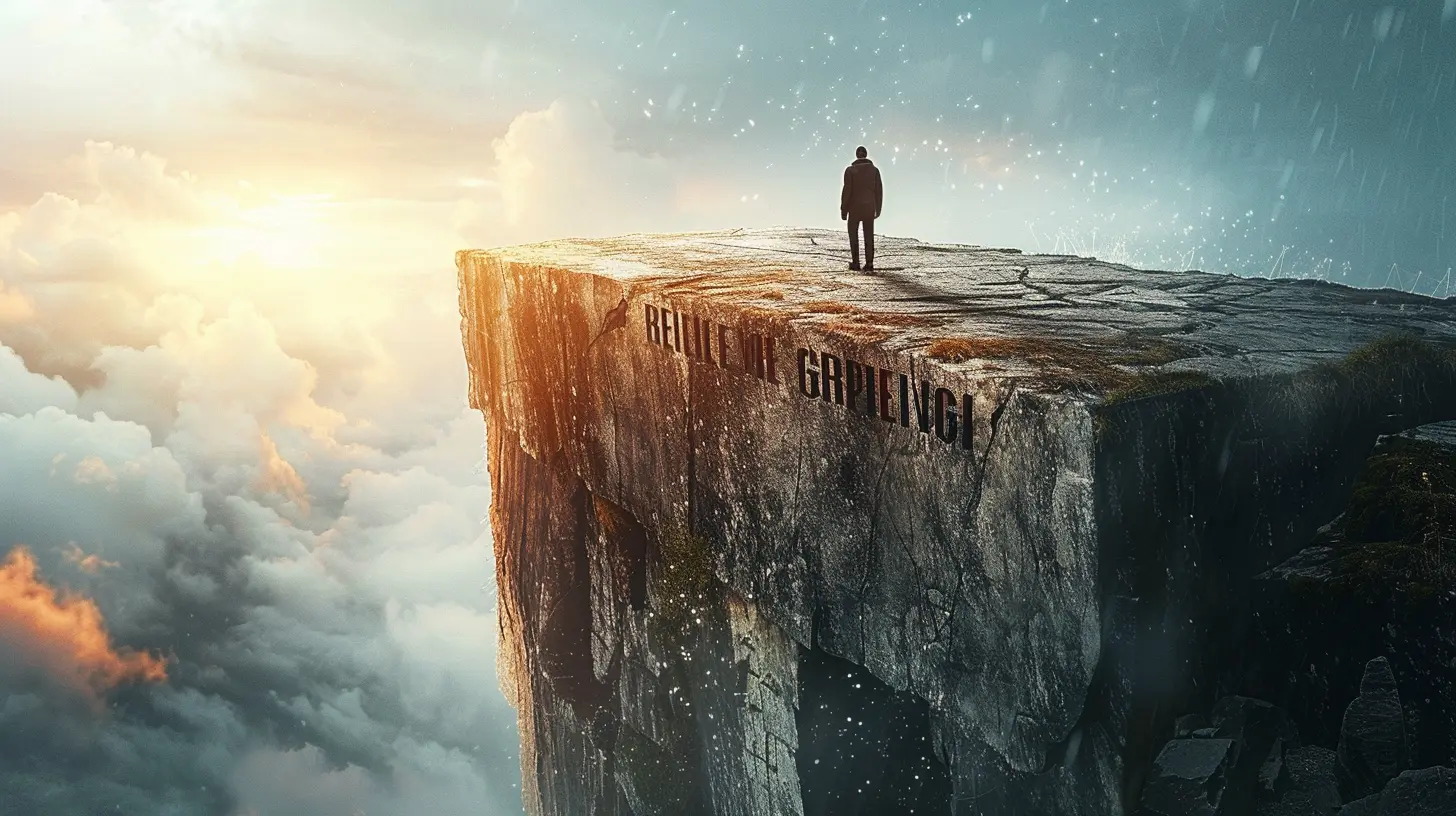
And What About Creativity?
Creativity goes way beyond painting pretty pictures or writing poetry. It’s about problem-solving, thinking differently, and generating new ideas. Whether you’re a coder troubleshooting a bug, a teacher trying to engage tough students, or just figuring out how to cook dinner with whatever’s left in the fridge—creativity is in play.Here’s the cool part: creativity isn’t just for the “artsy” folks. It lives in all of us. It’s how we adapt, survive, and even thrive when the playbook goes out the window.
How Resilience and Creativity Work Hand-in-Hand
At first glance, they might seem unrelated. But if you look closer, the connection is not only obvious—it’s powerful. Here’s how they dance together:1. Challenges Spark Innovation
When life is comfortable, there's not much incentive to innovate. But when we hit a wall? That’s when creativity kicks into high gear. Resilient people don’t just throw their hands up when things go sideways—they look for workarounds.In other words, hard times force us to think differently. And thinking differently is the breeding ground of creativity.
Imagine getting lost in a foreign city with no map, no internet. Panic might set in at first. But then you start observing, asking locals, maybe even drawing a map. Suddenly, you're solving problems in real-time. That's resilience unlocking creativity.
2. Resilience Fuels Creative Risk-Taking
Here’s the thing: creativity requires courage. Every new idea carries the risk of failure, criticism, or just plain embarrassment. And let’s face it—we hate failure.But resilient people view failure differently. They see it as feedback, not finality. They’re more likely to take creative risks because they know they can handle the fallout.
This means resilience strengthens your creative muscles by creating a safe inner environment for trial and error. Kinda like giving your creativity a license to play and mess up without punishment.
3. Both Thrive on Flexibility
Rigidity is the enemy of both resilience and creativity. When you’re stuck in one way of doing things, you struggle to adapt and innovate.Flexible thinkers are resilient because they can bend without breaking. They’re also creative because they’re open to possibilities beyond the obvious.
If resilience is about bouncing back, and creativity is about thinking outside the box—then flexibility is the bridge connecting the two. It keeps your brain nimble and your spirit unbreakable.
The Psychology Behind the Connection
Now let’s flip open the psychology playbook for a second.Researchers in positive psychology have found that both resilience and creativity are linked to cognitive flexibility, emotional regulation, and high self-efficacy. In simple terms? It means resilient and creative people:
- Can shift their thinking when needed
- Handle their emotions in healthy ways
- Believe in their ability to make a difference
Interestingly, the part of the brain responsible for emotional responses (the amygdala) often interacts with the prefrontal cortex (where creative problem-solving happens). When someone is resilient, they manage stress better, which frees up mental bandwidth for creative thinking.
Think of your brain as a computer. If there are too many stress tabs open, your system slows down. Resilience helps you close those tabs—and creativity becomes faster, sharper, and more free-flowing.
Real Life Examples of Resilience Breeding Creativity
Let’s look at some real-world examples to bring this concept home.J.K. Rowling
Before the global Harry Potter success, J.K. Rowling was a single mom living on welfare and battling depression. She faced countless rejections from publishers. But she kept going. Her resilience opened the door for one of the most imaginative worlds ever written.Elon Musk
Love him or hate him, Musk has faced plenty of failures—from exploding rockets to near-bankruptcy. But his ability to recover and keep innovating is a textbook example of resilience feeding a wild, futuristic imagination.Frida Kahlo
Kahlo turned a life full of physical pain and emotional struggle into profound, creative self-expression through her art. Her resilience didn't just help her survive—it shaped her unique style and voice.These stories prove that resilience often lays the groundwork for creative brilliance.
How to Cultivate Resilience (So Creativity Can Thrive)
So, how do you actually become more resilient, and boost your creative powers in the process?Practice Self-Compassion
Beating yourself up after a failure? That won’t help. Instead, try talking to yourself like you would to a friend. Research shows that self-compassion increases both psychological resilience and innovative thinking.Embrace Failure as a Teacher
Instead of fearing failure, start mining it for clues. What did you learn? What could you do differently? Creativity flourishes when you stop seeing failure as a dead end and start seeing it as data.Create a “Resilience Toolkit”
This might include:- Journaling to process your thoughts
- Talking things through with a friend
- Practicing mindfulness or meditation
- Doing small creative tasks when stress is high
These tools create emotional space for creativity to live and breathe, even in tough times.
Keep a Curious Mind
Curiosity is the fuel for both resilience and creativity. Ask questions. Seek other perspectives. Stay interested—even when you’re frustrated. A curious mind doesn’t get stuck; it keeps searching, wondering, and discovering.How to Boost Creativity (By Becoming More Resilient)
Let’s flip it: If you want to be more creative, start by becoming more resilient.1. Manage Stress Levels
Chronic stress kills creativity. It's like trying to paint a masterpiece while your house is on fire. Use breathing techniques, take breaks, and set boundaries to keep stress in check.2. Step Outside Your Comfort Zone
Resilient people don’t shy away from discomfort. Try new things. Travel. Read something outside your usual interests. That discomfort? It’s fertilizer for creative growth.3. Reflect on Past Wins
Remind yourself of times you’ve bounced back before. That memory bank becomes your “resilience reserve,” and it gives your creativity more confidence to take risks.Benefits of Nurturing Both Traits
Still not convinced these two belong together? Let’s look at what you gain when you build resilience and creativity side-by-side:- 🌱 Greater personal growth
- 🎯 Smarter problem-solving
- 🛠️ Better coping skills
- 💡 More innovative ideas
- 💪 Increased confidence
- 😌 Reduced burnout
When the going gets tough, the resilient get creative.
Final Thoughts: Make Adversity Your Muse
Life will knock us down—often when we least expect it. But those moments also hold the potential for our greatest ideas, breakthroughs, and growth. When you cultivate resilience, you’re not just surviving—you’re paving the way for creativity to show up and work its magic.So next time you’re in a tough spot, don’t just think, “How can I get through this?” Ask yourself, “What can I create because of this?”
That’s the sweet spot where resilience meets creativity. And it’s pure gold.
all images in this post were generated using AI tools
Category:
ResilienceAuthor:

Paulina Sanders
Discussion
rate this article
1 comments
Drew Webster
Resilience enhances creativity by fostering adaptability, allowing individuals to explore new ideas despite challenges.
August 28, 2026 at 4:25 PM
Paulina Sanders
I appreciate your insight. Resilience truly opens the door for creative exploration, even in tough times.