The Impact of Childhood Trauma on Adult Mental Health
8 April 2026
Childhood is often painted as a time of innocence, joy, and discovery. But for many, it's also a period of fear, confusion, and pain. Unfortunately, the experiences we have as children don't always stay in the past. They can shape who we become as adults—sometimes in ways we're not even aware of. One of the most significant factors in this transformation is childhood trauma and its profound impact on adult mental health.
In this article, we're going to dive deep into how childhood trauma can affect us later in life. We'll look at the different types of trauma, how they manifest in adulthood, and what you can do if you're struggling with the aftereffects. Let's get started.
What is Childhood Trauma?
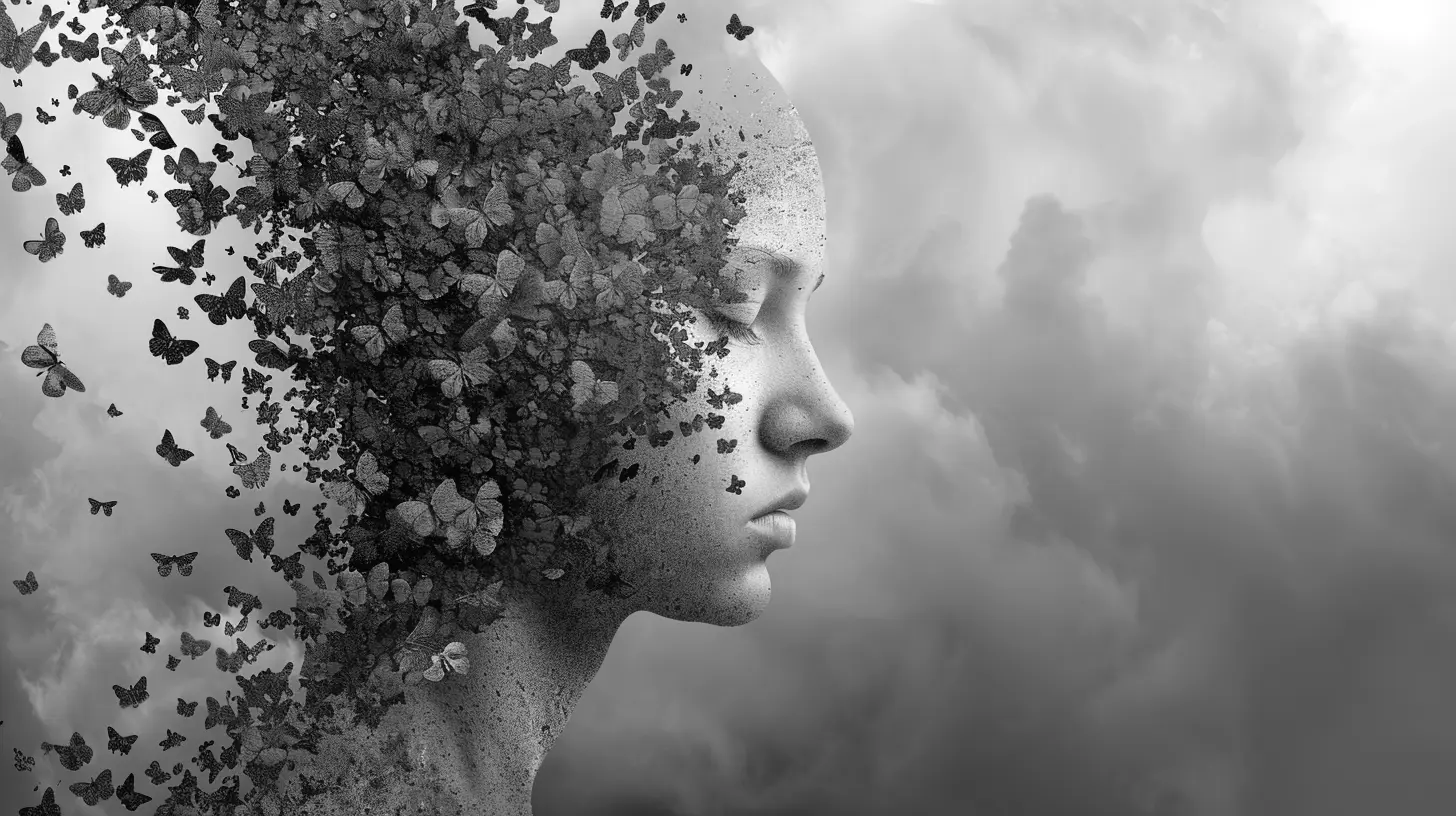
Before we dig too deep, let's make sure we're on the same page about what childhood trauma actually is. Childhood trauma refers to any event or series of events that leave a child feeling overwhelmed, unsafe, or helpless. These experiences can range from physical or emotional abuse to neglect, witnessing violence, or even growing up in a dysfunctional household.Trauma isn't just about what happens to you; it's about how your mind and body respond to it. While some kids may come out of difficult situations relatively unscathed, others may carry the scars for life. That’s why it's so important to understand how these early experiences can affect us well into adulthood.
Types of Childhood Trauma
There are several types of childhood trauma, and each can have unique impacts on mental health later in life. Some of the most common include:- Physical Abuse: Any non-accidental injury to a child caused by another person, such as hitting, kicking, or burning.
- Emotional Abuse: Words or actions that cause emotional distress, such as constant criticism, rejection, or humiliation.
- Sexual Abuse: Any form of sexual contact or exploitation of a child.
- Neglect: Failing to provide for a child's basic needs, including food, shelter, or emotional support.
- Witnessing Domestic Violence: This includes seeing or hearing violence between parents or caregivers at home.
Every type of trauma is different, but they all share one common theme: they leave lasting imprints on the brain and body. And those imprints? Well, they can follow us like a shadow into adulthood.
How Does Childhood Trauma Affect Adult Mental Health?
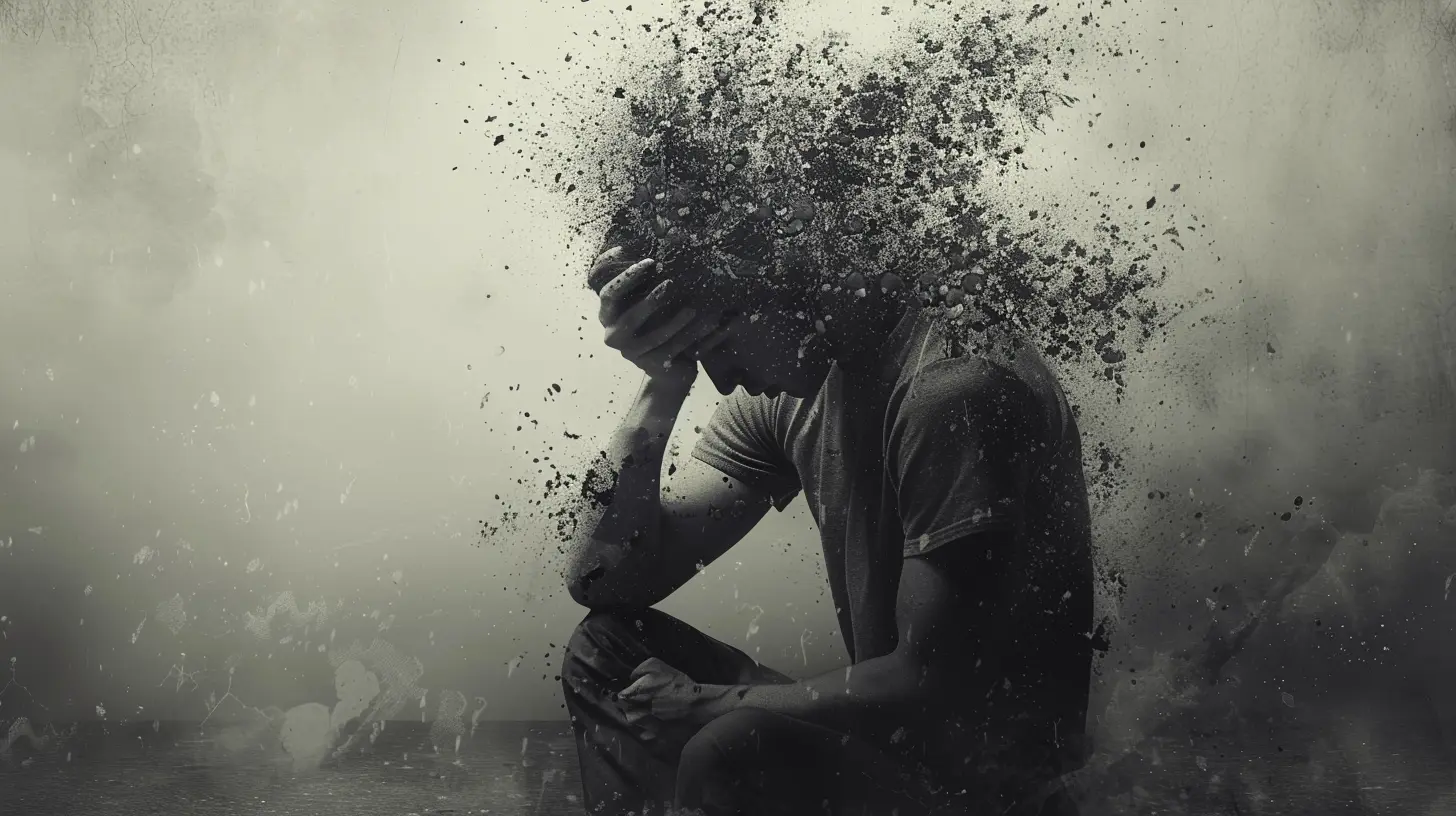
So, what happens when a child grows up with unresolved trauma? The answer is complex, but there's a ton of research showing that childhood trauma has long-lasting—and often devastating—effects on mental health.1. Changes in the Brain
Let’s start with the science. Trauma, especially ongoing or repeated trauma, can actually alter the structure and function of the brain. When you're exposed to stress—especially as a child—your brain's "fight or flight" system is activated. If this system is triggered over and over again, it becomes overactive, leaving you in a constant state of alert.This can lead to issues like anxiety, hypervigilance, and difficulty regulating emotions. Over time, areas of the brain responsible for memory, learning, and emotional control can become impaired, making it harder for adults to cope with stress or emotional challenges.
2. Emotional and Psychological Disorders
Perhaps the most obvious impact of childhood trauma is the increased risk of emotional and psychological disorders in adulthood. Adults who experienced trauma as kids are more likely to struggle with:- Depression: Trauma can leave deep emotional wounds, leading to feelings of sadness, hopelessness, and worthlessness in adulthood.
- Anxiety: Living through trauma often wires the brain for fear, leading to chronic anxiety, panic disorders, or social anxiety.
- Post-Traumatic Stress Disorder (PTSD): PTSD isn’t just for soldiers. Many adults who experienced significant childhood trauma develop PTSD, characterized by flashbacks, nightmares, and severe emotional distress.
- Substance Abuse: Trauma survivors may turn to alcohol or drugs as a way to numb the pain or cope with overwhelming emotions.
- Personality Disorders: Trauma, especially when it happens early in life, can distort self-image and relationships, leading to issues such as Borderline Personality Disorder (BPD).
3. Difficulty Forming Relationships
You know how people say, "Hurt people hurt people"? That’s often true for trauma survivors. Adults who grew up in abusive or neglectful environments often struggle to form healthy relationships. Why? Because their early experiences taught them that relationships are unsafe, unpredictable, or even dangerous.This can manifest in several ways:
- Trust Issues: If you were betrayed or abandoned as a child, trusting others can be incredibly difficult. You may always be waiting for the other shoe to drop or find it hard to let your guard down.
- Attachment Problems: Trauma can interfere with the normal development of healthy attachment styles. You might find yourself either clinging to relationships excessively or avoiding intimacy altogether.
- Fear of Abandonment: Adults who experienced neglect or abandonment in childhood may have an intense fear of being left behind. This can lead to clingy or controlling behavior in relationships.
4. Low Self-Esteem and Identity Issues
Our childhood is where we start to form our self-concept—our sense of who we are and what we're worth. When a child grows up in a toxic environment, it can severely affect how they see themselves.Adults who experienced childhood trauma often struggle with:
- Low Self-Worth: If you were constantly criticized or told you weren’t good enough as a child, those messages tend to stick. You might find yourself doubting your abilities, feeling unworthy of success, or constantly comparing yourself to others.
- Identity Confusion: Trauma can disrupt your sense of self and make it hard to figure out who you are as an adult. You might feel disconnected from your true self or struggle with knowing what you want out of life.
5. Physical Health Problems
Believe it or not, childhood trauma doesn’t just affect your mind—it can also take a toll on your physical health. Studies have shown that adults who experienced trauma are more likely to suffer from chronic illnesses such as heart disease, diabetes, and autoimmune disorders.Why? Because chronic stress (like the kind caused by trauma) weakens the immune system, increases inflammation, and puts strain on the body over time. The connection between mental and physical health is real, and trauma often affects both.
Can You Heal From Childhood Trauma?
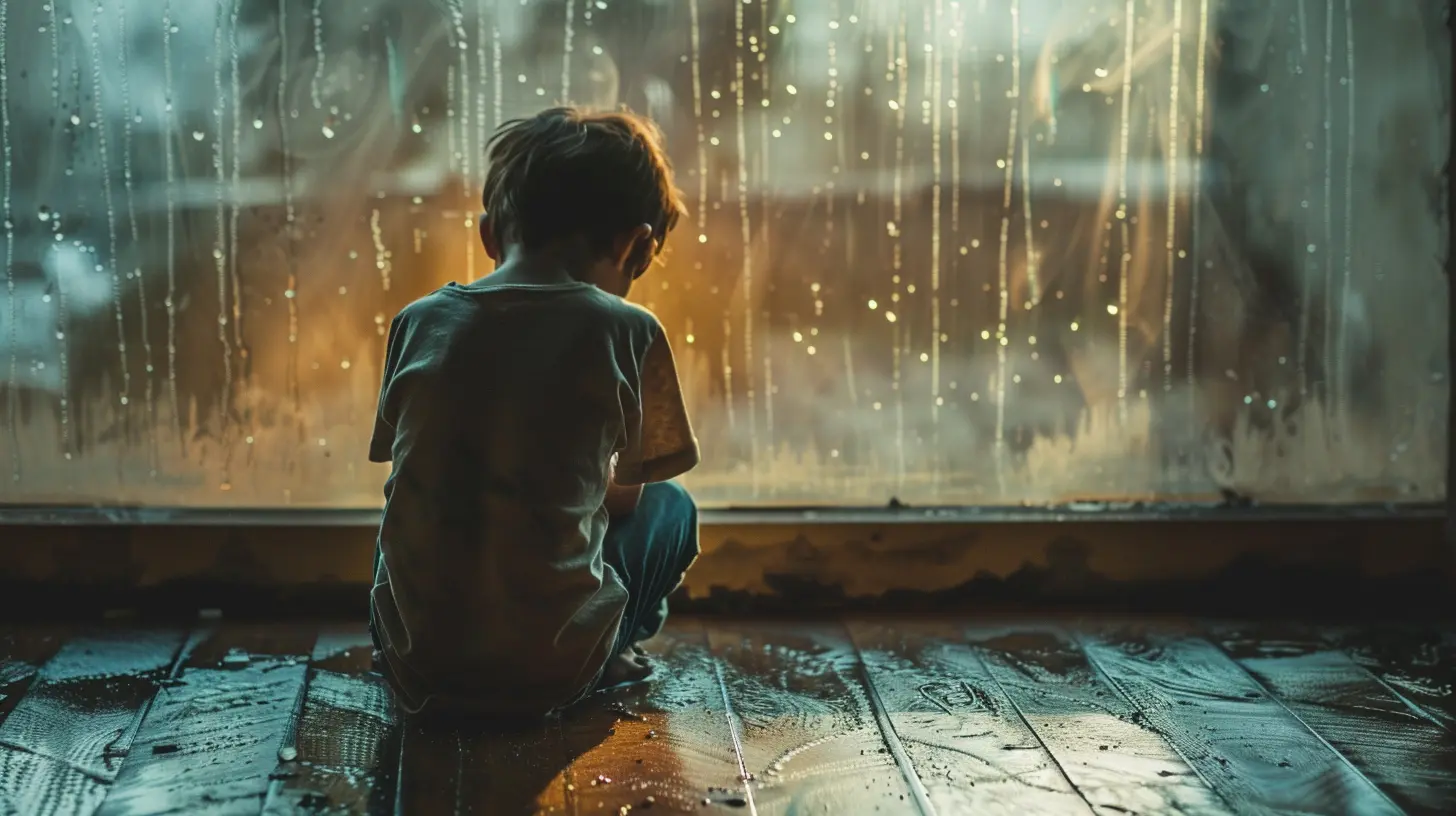
If you’re reading this and feeling overwhelmed, take a deep breath. Yes, childhood trauma can have a lasting impact, but the good news is that healing is possible. You don’t have to be defined by your past.1. Therapy
One of the most effective ways to heal from childhood trauma is through therapy. Professionals like psychologists or therapists can help you process your experiences, identify unhealthy patterns, and teach you coping strategies. Some common therapies for trauma include:- Cognitive Behavioral Therapy (CBT): Helps you recognize and change negative thought patterns.
- Eye Movement Desensitization and Reprocessing (EMDR): Specifically designed for trauma; helps you process distressing memories.
- Trauma-Focused Therapy: Aims to address the emotional and psychological effects of trauma.
2. Building Healthy Relationships
One of the best ways to heal from relational trauma is by forming new, healthy relationships. Surround yourself with people who support and care for you. Slowly, you can start to rebuild trust and learn what safe, loving relationships look like.3. Self-Care
Self-care is more than just bubble baths and face masks. It's about taking care of your mental and emotional health. This might mean setting boundaries, practicing mindfulness, or engaging in activities that bring you joy and peace.4. Medication
For some people, medication can be helpful in managing the symptoms of trauma-related disorders like depression or anxiety. If you're struggling, it might be worth talking to a doctor about whether medication could be part of your healing journey.
Final Thoughts
Childhood trauma is a heavy topic, but it’s one that we need to talk about. The effects of trauma don’t just disappear when you grow up—they often shape who you become as an adult. But it’s important to remember that while trauma changes you, it doesn’t have to define you. With the right support, you can heal and move forward, creating a life that feels safe, fulfilling, and authentically yours.all images in this post were generated using AI tools
Category:
Psychiatric DisordersAuthor:

Paulina Sanders
Discussion
rate this article
2 comments
Kane Gibson
Understanding the link between childhood trauma and adult mental health is crucial. Healing is possible, and awareness is the first step. Embrace your journey, seek support, and know that recovery can lead to strength and resilience beyond what you imagined.
July 11, 2026 at 2:24 PM
Paulina Sanders
Thank you for your insightful comment. It's true that awareness and support are key to healing. Every journey is unique, and recovery can truly transform lives.
Victoria McGuffey
Thank you for highlighting such an important topic; awareness is crucial for healing and support.
April 9, 2026 at 4:50 AM
Paulina Sanders
You're welcome! I'm glad this topic resonates with you. Awareness truly makes a difference.