The Intersection of Culture and Emotional Trauma
10 May 2026
Let’s take a moment. Imagine emotional trauma as a suitcase. Not one of those sleek, TSA-approved roller bags, but a bulky, overstuffed relic from the '90s that barely zips. Now, imagine culture as the travel destination. Depending on where you land, what’s in that suitcase—your trauma—might be handled delicately, totally ignored, or (gulp) laughed off with a side of herbal tea and denial.
You see, emotional trauma doesn’t exist in a vacuum. It’s marinated in the culture it grows up in. And just like pineapple on pizza (a spicy debate, I know), our cultures have wildly different opinions on what's acceptable when it comes to trauma.
So, fasten your seatbelt, bring your emotional baggage (we all have it), and let’s unpack the wild, weird, and often hilarious dance between culture and trauma.
What the Heck Is Emotional Trauma Anyway?
Before we go globe-trotting through cultural jungles, let’s get clear on our terminology.Emotional trauma is when something ugly, scary, or downright soul-crushing happens, and instead of skipping off into the sunset, your brain goes, “Uh-uh, we’re not dealing with this right now.” So it stores the pain in some dusty memory attic, often leaving you anxious, triggered, and thinking "Is it just me, or is this elevator music wildly stressful?"
Trauma can come from big, dramatic events—like natural disasters or war—but it also includes subtle, sneaky stuff like chronic neglect, microaggressions, or that one time your dad said, “You’re being too sensitive” while you were actually just being...a human.
Cultural Lenses: Trauma's Instagram Filters
Culture is like the Instagram filter over reality. It colors how we see trauma, express our pain, and, most crucially, how others react to it. Some cultures dim the emotional exposure, wrapping up trauma in stoic silence. Others add sparkle and drama, making sure nobody even THINKS about bottling things up.Let’s break it down with a few global cliches (because hey, stereotypes exist for a reason, right? Just kidding. Sort of.)
- Western Culture (Especially in the U.S.) – This is the land of therapy, self-help books, and “my trauma is bigger than yours” competitions. Emotional trauma? Come on in, we’ve got a podcast for that. Vulnerability is currency, baby.
- East Asian Culture (Think Japan, China, Korea) – Trauma? What trauma? The ideal emotional state here is, “Don’t cause a scene.” Emotional suppression is often tangled up in Confucian values of harmony and emotional restraint. (Side note: This is why your Korean drama protagonist cries alone at the bus stop.)
- Latin American Culture – Passion, baby! Trauma isn't hidden, it’s danced with. There’s yelling, crying, praying, but also a deep reliance on familial bonding. Emotional pain is felt—and shared—across generations. Abuela probably has something to say about it, and it’ll come with homemade food.
- Middle Eastern Culture – You’ll find extremes here. Emotional trauma might be cloaked in honor, religion, or community. There’s often stigma around seeking mental health help, but paradoxically, deep-rooted compassion and storytelling traditions act as healing salves.
See what I mean? Trauma isn’t “one size fits all,” and neither is how we process it.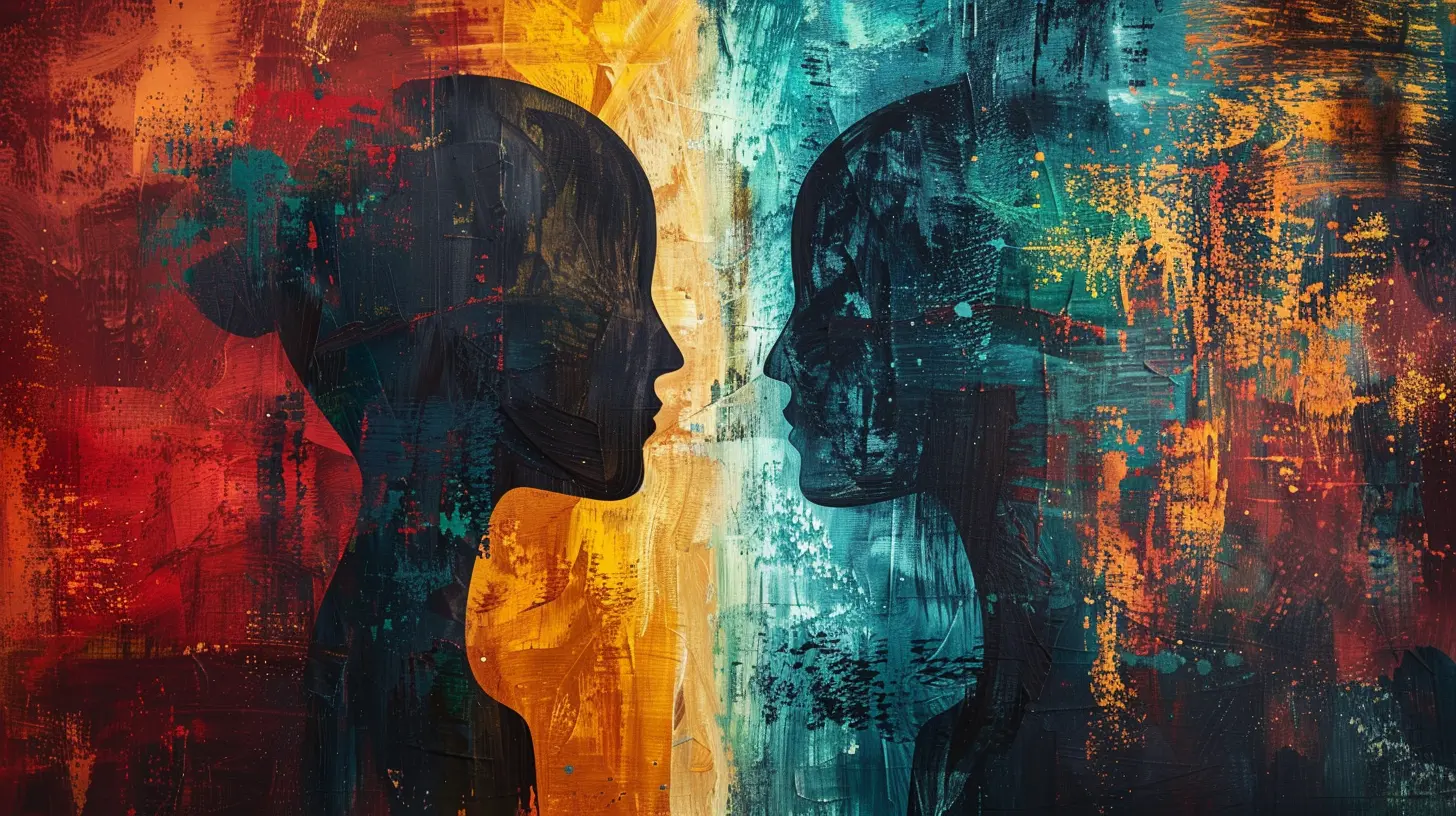
The Suppression Olympics: Some Cultures Win Gold
Let’s not sugarcoat it—some cultures are better at squashing emotional trauma than a teenager dodging chores. And honestly? It’s impressive. You’ll hear things like:- “We don’t talk about those things.”
- “That was in the past.”
- “Just pray about it.”
Sound familiar?
Suppressing trauma doesn’t make it disappear. It’s not a magic trick. It just goes underground, where it grows mold and possibly becomes a cryptic metaphor in your dreams. Years later, you might find yourself sobbing during a shampoo commercial and think, “Where did that come from?” (Spoiler: The trauma. It came from the trauma.)
Some traditional cultures view emotional expression as weakness. Vulnerability? That’s for snowflakes. Showing pain is practically taboo. The result? Generational trauma passed down like an unwanted family heirloom.
*“What’s this, Grandpa?”
“Oh, just my unresolved PTSD from the civil war. Pass me the remote.”*
Culture Shock: When Trauma Travels
Okay, here’s where it gets juicy.What happens when someone from one culture experiences trauma… in a different culture?
Imagine a person raised in a culture where therapy is considered witchcraft moves to Los Angeles—the land of aromatherapy, chakra cleansing, and therapists named Skylar. They might feel totally fish-out-of-water sharing their trauma to strangers or opening up emotionally.
On the flip side, someone from a more expressive culture might feel isolated if they move somewhere cold (emotionally and literally). They might get labeled “too sensitive,” “too emotional,” or “intense.” Which is like telling someone speaking French that their words are too...French.
Spoiler alert: It’s not them. It’s culture clash.
Trauma? But Make It Multigenerational
Let’s take a detour to the DNA level. Turns out, trauma isn’t just emotional—it can be hereditary. Studies have shown that descendants of trauma survivors (think Holocaust survivors, war refugees, and oppressed communities) often carry emotional echoes of that pain.Here’s where culture swoops in like a nosy aunt at a family BBQ.
If the culture acknowledges and discusses trauma? There's a chance for healing. If it sweeps it under the rug like yesterday’s news? Bam—generational trauma. Welcome to the family domino effect.
Case in point: Many Indigenous communities live with cultural trauma from colonization, but few governments or mainstream spaces offer real support. Result? A whole community carrying pain across centuries with a side order of systemic disregard.
Humor: The Band-Aid Across Cultures
Okay, we’ve been deep, and I know talking trauma can get heavy. So let’s lighten the load with one universal truth: jokes are healing.Humor is a coping mechanism across nearly every culture. Some cultures even use humor as their primary language for talking about trauma. Think Jewish humor, Black Twitter, or Irish sarcasm. It’s a shield and a sword.
Fun fact: If a group of people makes jokes about something horrifying, it doesn’t mean they’re not affected—it usually means they’ve found a way to survive it, breathe through it, and even laugh at it. Because sometimes, giggling is better than sobbing into your cereal.
Therapy: Taboo or Trendy?
Depending on your culture, therapy is either:1. A lifesaving miracle that makes you want to hug your inner child.
2. A deep shame to be hidden behind heavy curtains.
3. Something you only do in movies (and even then, everyone in the movie is white and rich).
But here's the thing: More people are breaking the mold. Young folks from traditional backgrounds are embracing mental health support, often while fighting tooth and nail against cultural resistance. They’re texting their therapists while their parents are recommending herbal tea and a nap.
Is it rebellion or evolution? Who’s to say. But the cultural tide is turning, slowly but surely.
What Can We Do About It?
Okay, but now what? We’ve laughed, cried, and probably unzipped a few emotional suitcases along the way. So how do we deal with emotional trauma when culture plays such a huge role?Here’s the playbook:
1. Acknowledge Different Norms
Don’t assume your way is the right way. Be curious, not judgmental. What might look like emotional suppression could actually be cultural resilience. And vice versa.2. Create Safe Spaces
Whether online or offline, we all need places where it’s okay to feel. Start a group chat, join a support group, or just tell your friend, “You can be messy here.”3. Ditch the Shame
If your culture shames therapy or emotional openness, it’s okay to respectfully disagree. You can honor your roots and still water your own emotional garden.4. Bridge the Gap
Talk to your elders. Tell your story. Listen to theirs. Trauma shrinks when it's shared. Funny enough, so does guilt, rage, and that weird desire to scream into a pillow every Tuesday.5. Laugh. Keep laughing.
Laughter is cultural duct tape. Don’t underestimate the healing power of stand-up comedy, funny memes, or retelling your horrible date story with dramatic flair.Wrapping It All Up (Like a Burrito of Feelings)
Culture and trauma are like two dancers in a very weird tango—sometimes they step on each other’s toes, sometimes they glide in perfect harmony. But understanding how culture shapes emotional trauma is like finding the instruction manual to your brain’s emotional blender. Suddenly, all that inner chaos makes a little more sense.So next time you feel emotionally off, don’t just ask “What’s wrong with me?” Try “What does my culture say about this?” or, better yet, “Is this just unresolved trauma disguised as me yelling at the dog for chewing my sock?”
Go gentle on yourself. Honor your roots. And whatever trauma cocktail you’re carrying—know that you’re not drinking it alone.
all images in this post were generated using AI tools
Category:
Emotional TraumaAuthor:

Paulina Sanders
Discussion
rate this article
1 comments
Megan Vasquez
This article insightfully highlights how cultural contexts shape our understanding of emotional trauma, revealing the complexities in healing and resilience. Worth exploring.
May 27, 2026 at 4:39 AM
Paulina Sanders
Thank you for your thoughtful comment. I'm glad you found the exploration of cultural contexts enriching. Healing and resilience are indeed complex and deeply intertwined with our backgrounds.