A Psychologist Shares A ‘Micro-Resentments’ Test — See Where You Stand In Your Relationship
February 15, 2026 - 13:39
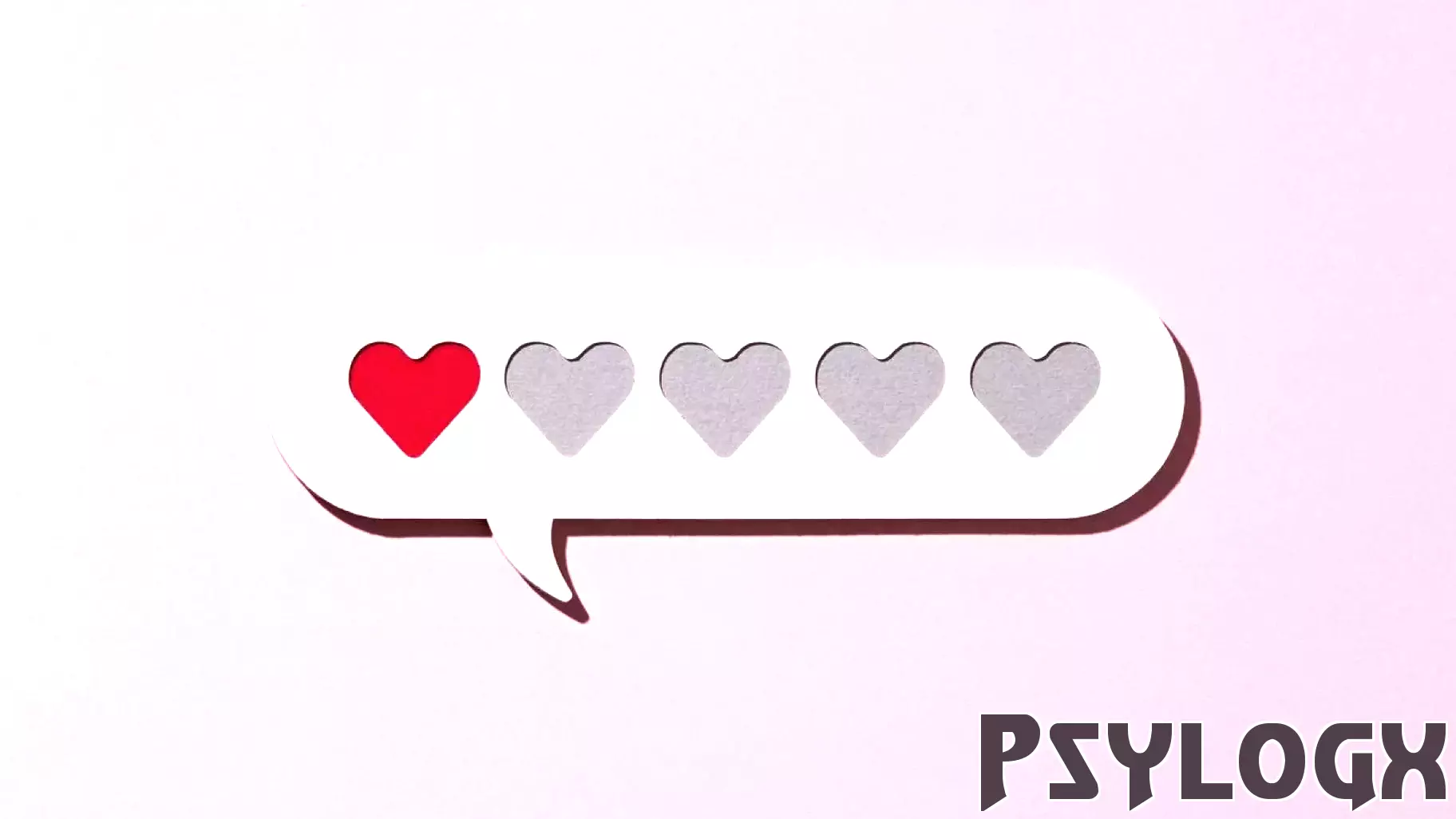
Small, unaddressed frustrations can act like silent termites, slowly eating away at the foundation of even the strongest partnerships. These "micro-resentments"—tiny, recurring annoyances that often go unspoken—compound over time, building walls of distance and irritation. Left unchecked, they can escalate into major conflicts or a persistent feeling of disconnection.
A simple 10-question assessment is now being highlighted as a practical tool for couples to identify these subtle cracks. The quiz prompts partners to reflect on common, everyday interactions. It asks individuals to consider feelings around shared responsibilities, communication patterns, and small gestures of appreciation. Questions might explore if one feels their efforts are routinely overlooked, or if certain dismissive phrases have become a frequent, hurtful occurrence.
The goal is not to assign blame, but to foster awareness. By putting a name to these minor grievances, couples can begin to articulate them before they fossilize into lasting bitterness. This proactive approach encourages open dialogue about needs and expectations in low-stakes moments. Ultimately, it transforms vague dissatisfaction into specific, manageable conversations, allowing partners to address issues while they are still small and repair the connection before significant damage is done.
MORE NEWS

September 29, 2026 - 02:56
Study Links AI Chatbots to Psychological Harm in Vulnerable UsersNew research outlines how the use of AI chatbots for companionship and support is linked with severe negative outcomes. The study, conducted by researchers at Northeastern University, examined the...

September 28, 2026 - 02:40
Why Group Projects Feel Like a Psychological ThrillerEvery introvert knows that dreadful feeling when the professor puts up the PowerPoint slide and there it is, written in a bold, unforgiving font that seals a collective doom: 30% - Final Group...
September 27, 2026 - 01:35
A Look Behind the Doors of a Primate Research FacilityLindsay Oliver`s new book offers a rare and detailed look at life inside a primate research facility, examining both the animals that live there and the people who care for them. Rather than...

September 26, 2026 - 15:04
A Clinical Psychologist Explains Why Gossip Is Not Always HarmfulClinical psychologist Niamh Delmar has shared her perspective on the role that gossip plays in everyday life, challenging the common assumption that talking about other people is always a negative...