Aesthetic Chills: Unveiling the Psychological Impact of Music
August 28, 2025 - 11:43
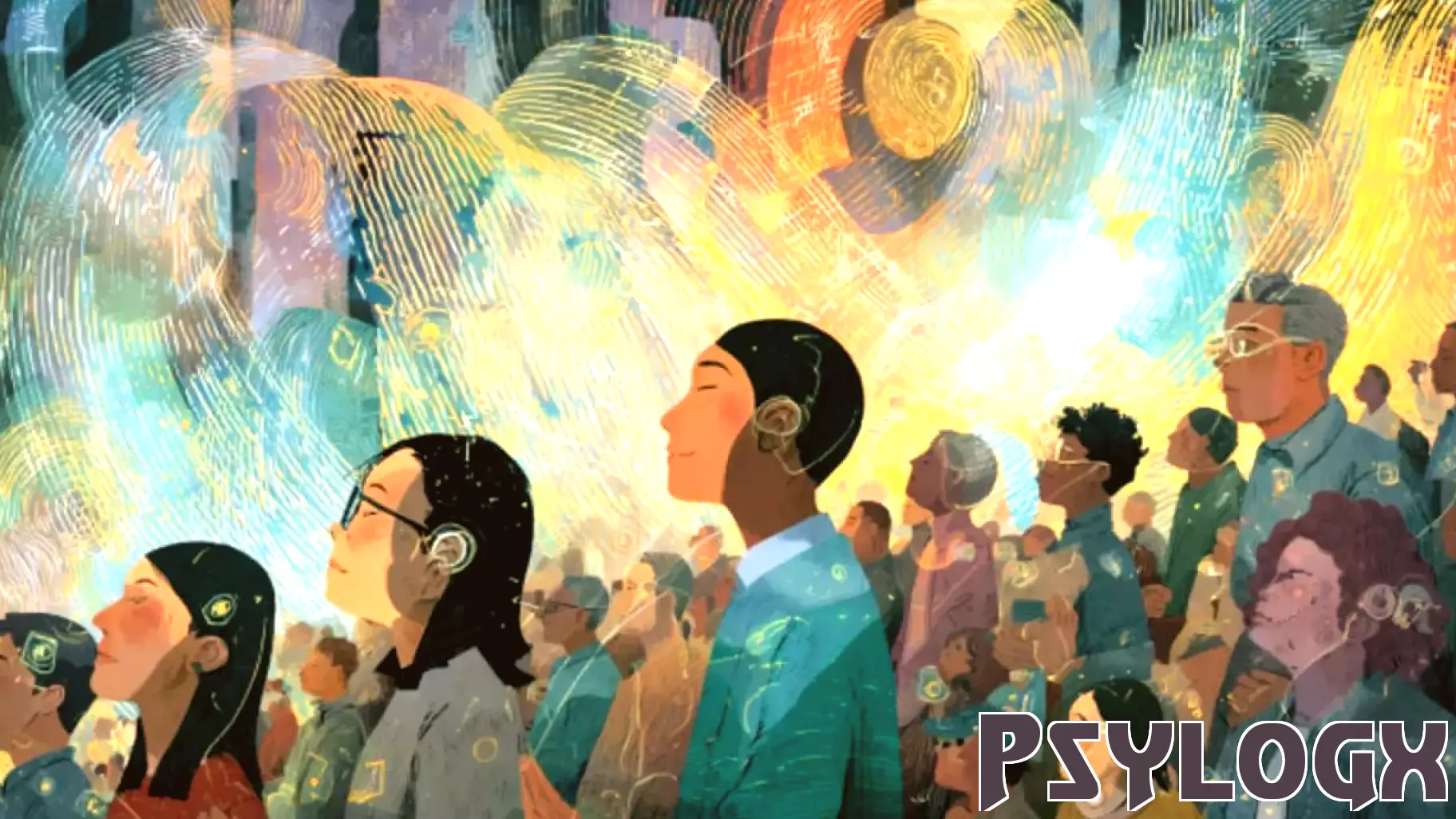
Aesthetic chills, often experienced as goosebumps during moments of profound musical or artistic engagement, reveal deeper insights into human psychology. These exhilarating sensations are not mere coincidences; they reflect complex emotional responses that connect us to the art we consume. Research indicates that such reactions can be triggered by a variety of factors, including the structure of the music, the lyrics, and even personal memories associated with specific pieces.
The phenomenon is more than just a physiological response; it serves as a bridge between our emotions and the art we appreciate. This connection underscores the power of music and art to evoke feelings that resonate on a personal level. As individuals experience these chills, they may also confront their beliefs, values, and memories, leading to a richer understanding of themselves and their place in the world.
In an increasingly digital age, where art and music are more accessible than ever, recognizing the significance of these aesthetic chills can deepen our appreciation for creative expressions and their role in shaping human experience.
MORE NEWS

November 23, 2026 - 01:54
The Habit of Saving the Best Bite: A Lesson in Delayed GratificationSaving the best bite for last is a common eating habit that mirrors the concept of delayed gratification, a principle explored in psychological studies like the famous marshmallow test. This test,...

November 22, 2026 - 06:21
The Hidden Challenges of LeadershipBy Michael DeGrosky During my time as a graduate student in leadership studies, I noticed a common trend among faculty. They reserved the term `leader` for individuals who engaged in positive and...

November 21, 2026 - 19:23
Family Dynamics: Understanding Women's Choices in CommunicationThe family notices a shift when women in their later years begin to prioritize their own needs over constant communication. Instead of recognizing this change as a healthy boundary, family members...

November 21, 2026 - 03:12
Why Some Conversations Haunt UsA conversation may last five minutes, but your mind can keep revisiting it for hours. Psychologists call this rumination, a repetitive thinking pattern that can turn ordinary interactions into a...