Courageous Optimism Does Not Always Wear a Badge
August 4, 2026 - 22:06
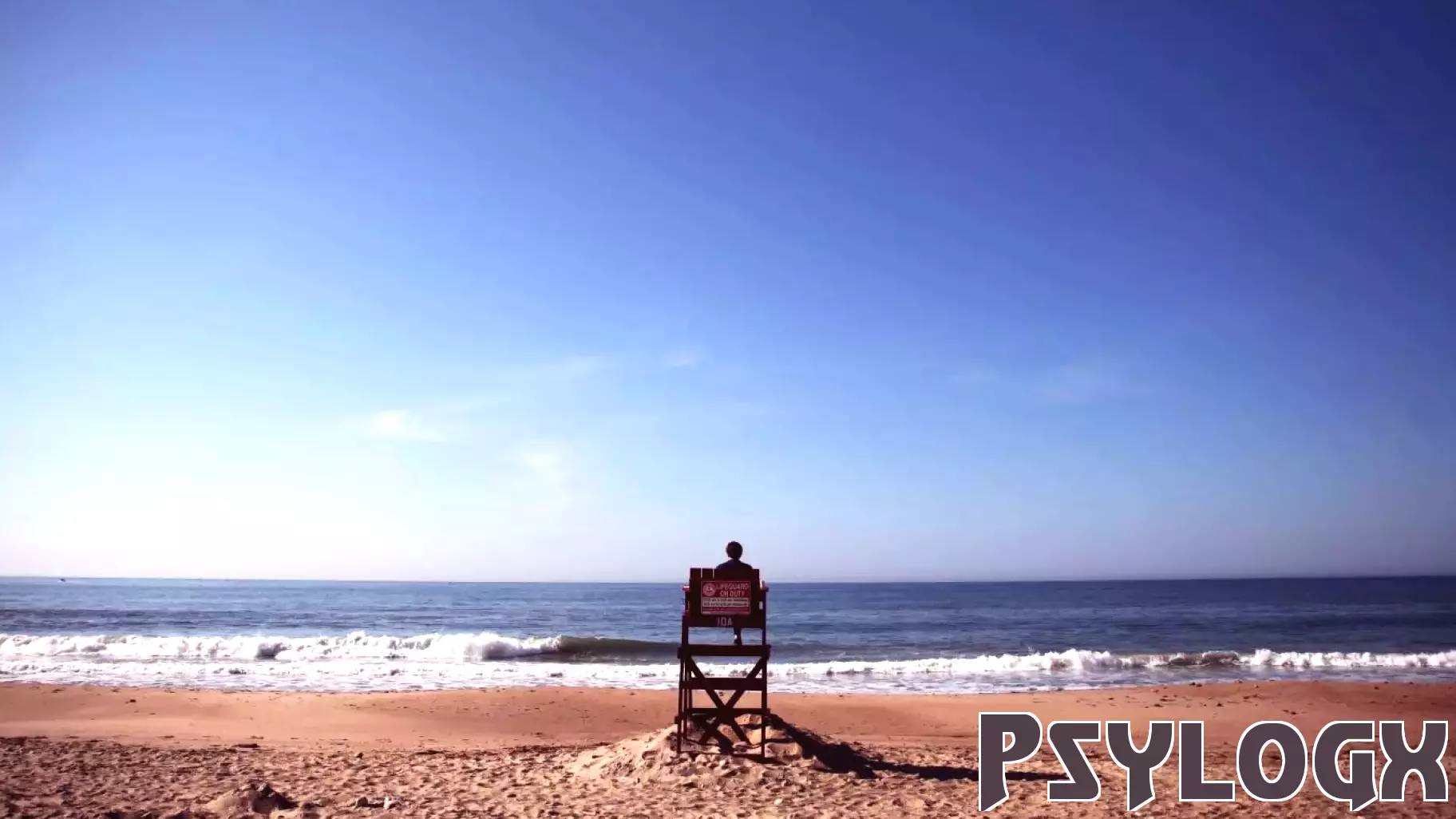
The idea that heroism appears in a flash of instinct is a comforting myth. In reality, courage under fire is a habit, rehearsed long before the moment arrives. That is the core of a theory developed by a veteran police officer, and it has been put to the test by two very different people: a teenage lifeguard and an armed civilian. Neither wears a badge, yet both showed the same kind of readiness that officers train for.
The theory is simple. People who act bravely do not suddenly decide to be brave. They have already run the scenario in their heads, drilled the steps, and accepted the cost. The lifeguard, for instance, did not freeze when a swimmer went under in rough surf. He had practiced rescues in calm water, but more importantly, he had imagined the chaos. When the waves hit, his body moved before his fear could catch up. The civilian, carrying a firearm legally, faced a different kind of threat. He did not draw his weapon to start a fight. He drew it because he had already decided, long before, that he would only use it to stop a greater harm. That decision made the difference between panic and action.
What separates these two from the average person is not physical strength or even natural nerve. It is the pre-work. They built a mental script. The officer calls this "pre-decisional courage." You decide what you will do before you need to do it. Then, when the moment comes, you are not thinking. You are executing.
This is not about glorifying violence or encouraging reckless acts. It is about the quiet, unglamorous preparation that happens in advance. The lifeguard did not jump in because he was fearless. He jumped in because he had already answered the question of whether he would. The civilian did not fire because he was angry. He fired because he had already set his line. Both understood that courage is not a feeling. It is a choice made earlier, often in solitude, when no one is watching. That is why it holds up under fire.
MORE NEWS

November 3, 2026 - 02:59
Expanding the Role of School Psychologists to Benefit Whole ClassroomsSchool psychologists are often seen primarily as specialists who step in when an individual student needs testing or support. Their training, however, covers far more ground than one-on-one...
November 2, 2026 - 09:24
Community Gets Inside Look at University Psychology Research LabThe university opened the doors of its psychology research lab to the public during an Open Research Day event, giving visitors a firsthand view of how studies are designed and carried out. Guests...

November 1, 2026 - 19:32
Why People Take Part in Online Shaming and Digital JusticePeople who support online public shaming and digital vigilantism are often motivated by the pleasure of seeing others suffer and a desire to boost their own moral status, according to a recent...

November 1, 2026 - 13:06
Rethinking Cities Through Science: Math, Physics, Ecology and PsychologyCities are usually discussed in the language of infrastructure, economics and politics. But I`ve often wondered whether we are looking at cities through too narrow a lens. A growing body of...