Do You Prefer Cats Over Dogs? Here Are Five Traits You Might Share
November 4, 2026 - 23:39
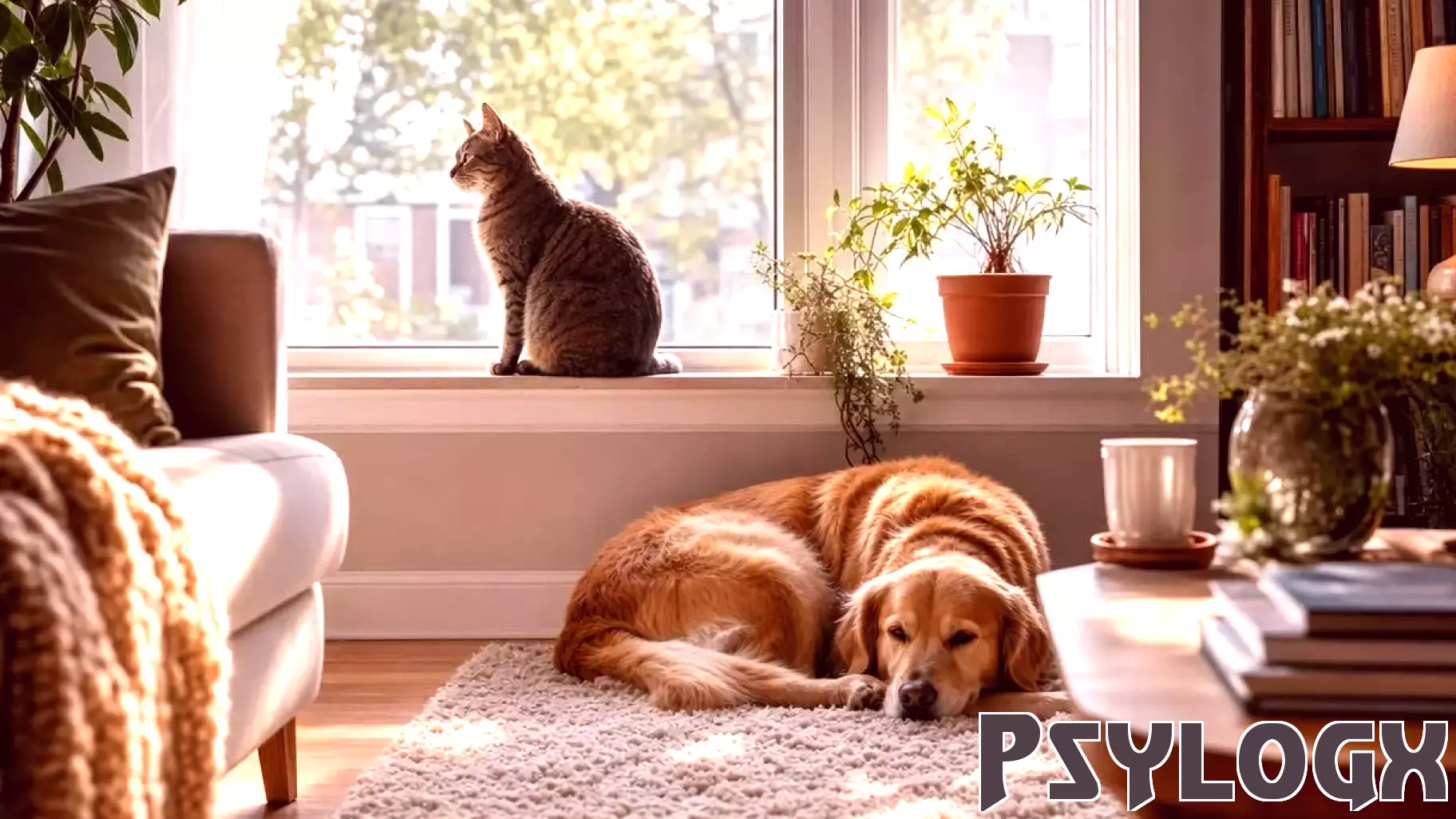
You know that moment at a party when the conversation turns to pets and someone proudly declares, "Cats are just better than dogs," then braces for impact? If that someone is you, this is not an intervention. It is a vibe check. Psychologists, social platforms, and even pet-food brands have quietly been studying the so-called cat person phenomenon.
Research suggests that people who favor cats often share specific personality traits. For instance, they tend to be more introverted and independent, enjoying solitude and quiet time. Cat lovers are also often seen as more open-minded and creative, appreciating the unique quirks of their feline companions.
Interestingly, they may display a higher level of sensitivity and empathy, often connecting more deeply with animals. This connection might stem from a desire for companionship that doesn't require constant attention.
So, the next time you find yourself in a debate about pets, remember that your preference for cats might say more about you than just your taste in animals.
MORE NEWS

November 18, 2026 - 05:14
The Limits of Perfect Tonality in Sales TechniquesJordan Belfort`s voice agents claim to enhance sales efficiency through perfect tonality, yet a recent field study uncovers significant psychological barriers that this approach may not address....

November 17, 2026 - 15:15
Ambition and Whiskies: Insights from Vaughan OwenVaughan Owen, a notable figure in the advertising world, has been making waves with his unique approach to ambition and success. After co-founding OwenKessel in South Africa, which was acquired by...

November 16, 2026 - 21:44
Do Holiday Deals Actually Save You Money?A marketing expert at Binghamton University, State University of New York, sheds light on how retailers leverage psychological tactics to boost sales during the holiday shopping season. As Black...
November 16, 2026 - 11:09
The Normalcy of Imaginary Friends in ChildhoodWe all remember our first friends, the ones who we took everywhere with us. They were always there for us to play and chat with. A recent study highlights that about 65 percent of children have...