Forced to Retire?
January 31, 2026 - 18:29
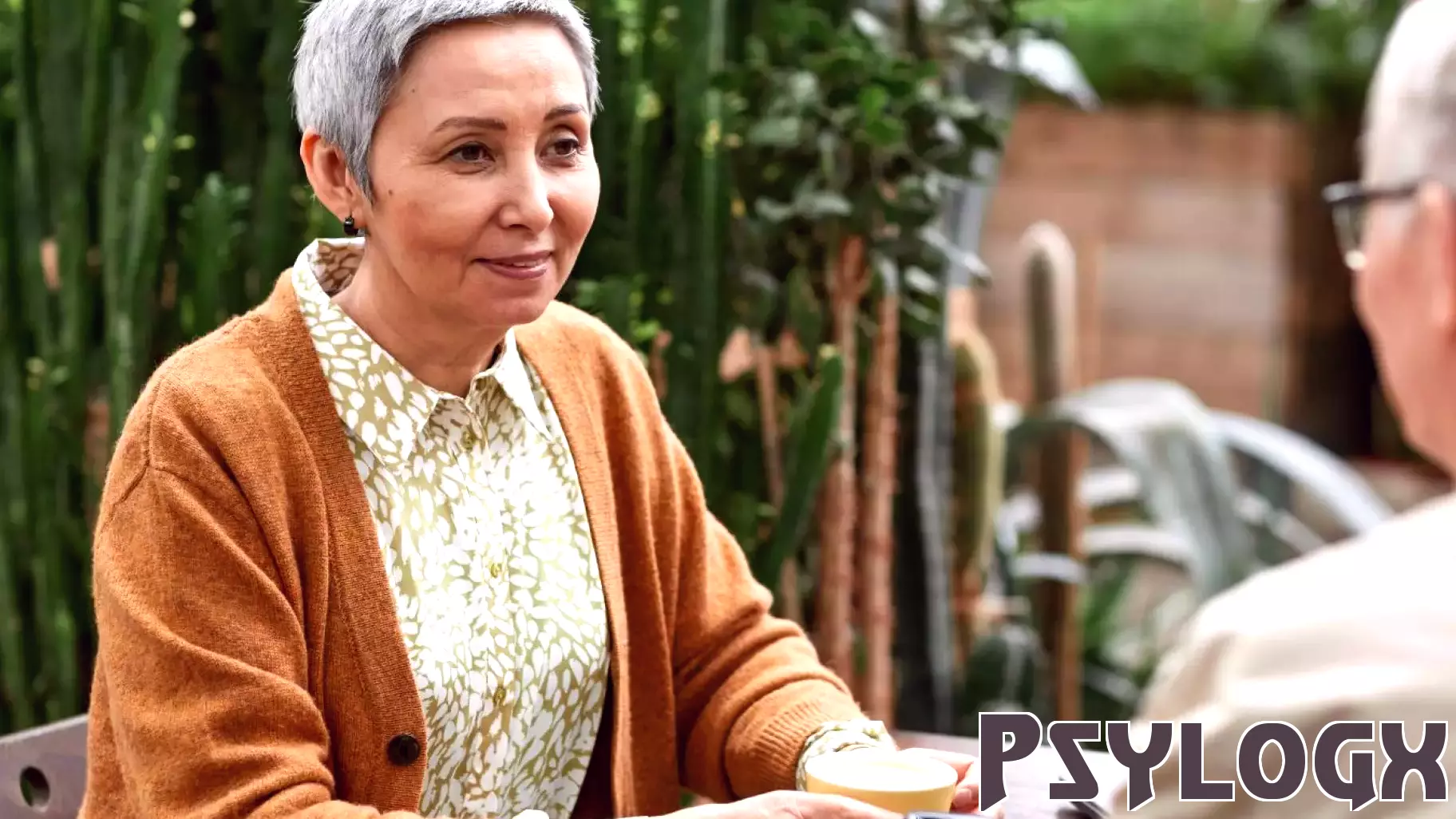
Leaving the workforce not by choice, but due to circumstances like health, layoffs, or profound job dissatisfaction, presents significant risks to an individual's well-being. This unplanned transition, often termed involuntary retirement, is increasingly recognized as a major life stressor with tangible consequences for both physical and mental health.
Recent research underscores the severity of this shift. The sudden loss of daily structure, social connections, and personal identity tied to a career can trigger a cascade of issues. Studies consistently link involuntary retirement to higher rates of depression, anxiety, and feelings of isolation. The financial strain that frequently accompanies an unexpected exit can exacerbate these psychological burdens.
The physical toll is equally concerning. A drastic change in daily activity and routine can contribute to a more sedentary lifestyle, potentially accelerating conditions like hypertension and cardiovascular disease. The chronic stress from the situation may also weaken the immune system.
However, new findings offer a roadmap for support. Experts emphasize the critical importance of proactively building a new daily structure, seeking out social communities outside of work, and exploring avenues for meaningful engagement, whether through part-time work, volunteering, or new hobbies. Accessing professional counseling to process the loss and develop coping strategies is also strongly advised. The key is to actively rebuild the pillars of purpose and connection that a sudden retirement can dismantle.
MORE NEWS

September 19, 2026 - 01:05
Strange Psychological Phenomena That Explain Odd Human BehaviorHuman behavior rarely needs an actual mystery to feel inexplicable. Somebody already studied most of the weird stuff, gave it a name, and moved on. What remains is a collection of documented...

September 18, 2026 - 15:29
Why a Signature Scent Becomes Part of Who You AreA signature fragrance often evolves into a key aspect of one`s identity. Over time, this scent transforms into a personal brand, woven deeply into our memories and emotions. With the power to evoke...

September 17, 2026 - 20:54
Study Finds Jewish Students in Germany Face Higher Psychological StressJewish students attending German universities report significantly higher levels of psychological strain compared to their non-Jewish peers, according to new research. The findings point to...

September 17, 2026 - 04:15
Five Greater Latrobe students recognized as September Wildcats of the MonthFive students from the Greater Latrobe School District received recognition during the September school board meeting on Tuesday. The district named them Wildcats of the Month, a program designed...