Nostalgic people vs. future-focused people: Psychology explains why some people revisit old memories while others concentrate on what lies ahead
October 27, 2026 - 15:38

Have you ever found yourself going through old photographs, revisiting childhood memories, or talking about moments from the past that hold a special place in your heart with your partner, only to realise that they simply do not care enough; instead, they are more worried about the future? While you might find comfort and a sense of home in the memories of the past, those that have shaped you, your partner might prefer discussing future plans, future goals and the endless possibilities that lie ahead.
Psychology offers some explanation for this divide. People who frequently revisit old memories often draw a sense of identity and emotional stability from them. Nostalgia can boost mood, reinforce social bonds and provide comfort during uncertain times. For these individuals, the past works as an anchor, a storehouse of lessons and warm feelings they return to when the present feels overwhelming.
Future-focused people operate differently. They tend to be motivated by goals, novelty and the promise of what comes next. This forward orientation often comes with higher levels of optimism and a drive to plan, though it can sometimes mean less patience for sentimental reflection.
Researchers suggest that both tendencies exist on a spectrum and are shaped by personality traits, upbringing and life experiences. Neither approach is inherently better. The tension arises when two people with opposite styles try to connect. One wants to reminisce, the other wants to plan. Recognising that these differences are not signs of indifference but reflections of how each person processes time and emotion can help couples communicate with more understanding and less frustration.
MORE NEWS
October 26, 2026 - 19:14
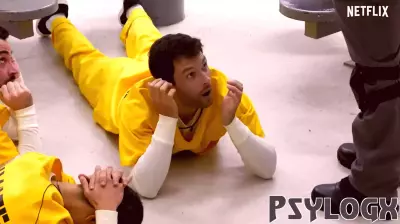
Why Flawed Psychology Studies Still Shape How We Think About Human BehaviorA new Netflix series has brought the Stanford prison experiment back into public conversation, raising fresh questions about why controversial psychology research continues to hold such a powerful...

October 26, 2026 - 12:35
Why Your Brain Replays Work Conversations and How to Break the LoopYou finish a meeting, return to your desk and try to get on with the day. But your mind keeps going back to one moment. Maybe it was a comment you made, a pause that felt too long, or a look you...

October 25, 2026 - 22:29
How Anger and Fear Shape Preferences for Different Leader FacesWhich face looks like the right leader may depend on how a political issue makes you feel. New research suggests that emotions play a meaningful role in shaping the kind of leader voters are drawn...

October 24, 2026 - 20:42
Brain Health Moves Beyond Aging ConcernsBrain health is no longer a topic reserved for older adults. A shift in public awareness is changing how people think about cognitive well-being, with growing attention to nutrition, daily habits,...