Why Your Brain Replays Work Conversations and How to Break the Loop
October 26, 2026 - 12:35

You finish a meeting, return to your desk and try to get on with the day. But your mind keeps going back to one moment. Maybe it was a comment you made, a pause that felt too long, or a look you thought you saw. Hours later, you are still running the scene in your head, and it is exhausting.
Psychologists say this is not about being dramatic or oversensitive. It is a pattern called rumination, where the brain gets stuck replaying a conversation without ever reaching a resolution. Unlike problem solving, which moves toward an answer, rumination circles the same ground. The mind treats the replay as a way to prepare for next time, but it rarely produces anything useful. Instead, it keeps the stress response switched on, making it hard to focus, sleep or switch off.
Rumination often grows from small uncertainties. A vague reply, an unfinished thought or a moment of silence can feel like evidence that something went wrong. The brain fills the gap with worst case scenarios, and each replay strengthens the habit. Over time, the loop can drain energy and make ordinary workplace interactions feel heavier than they are.
Breaking the cycle starts with noticing it. Naming the pattern, rather than judging yourself for it, creates a little distance. Asking whether the replay is producing a real plan or just repeating the same worry can help you step out. Some people find it useful to write down the specific concern, then decide whether it needs action or can be let go. Others set a short window to think it through and then deliberately move on.
If the loop keeps returning, a brief conversation with the person involved can clear the fog faster than hours of silent analysis. And when rumination becomes constant, affecting sleep or mood, speaking with a professional is a sensible next step. The goal is not to stop caring about how you come across. It is to stop letting one moment take over the whole day.
MORE NEWS

October 25, 2026 - 22:29
How Anger and Fear Shape Preferences for Different Leader FacesWhich face looks like the right leader may depend on how a political issue makes you feel. New research suggests that emotions play a meaningful role in shaping the kind of leader voters are drawn...

October 24, 2026 - 20:42
Brain Health Moves Beyond Aging ConcernsBrain health is no longer a topic reserved for older adults. A shift in public awareness is changing how people think about cognitive well-being, with growing attention to nutrition, daily habits,...

October 24, 2026 - 12:07
Study Links Papal Election to Greater Sense of Meaning Among American CatholicsA new daily survey study suggests that practicing American Catholics experienced a slightly stronger sense of meaning in life following the election of Pope Leo XIV, and that this elevated feeling...
October 23, 2026 - 18:53
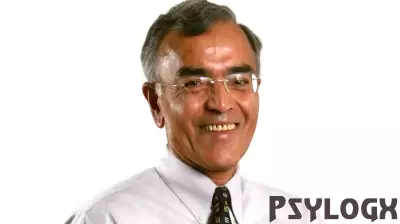
Marquette University Community Remembers Dr. Anees SheikhThe Marquette University community is mourning the passing of Dr. Anees Sheikh, professor emeritus of psychology and an internationally recognized pioneer in the study of mental imagery. Sheikh...