One of psychology’s darkest human experiments: ‘Little Albert’ terrified for science in infamous 1920 study
April 9, 2026 - 18:55
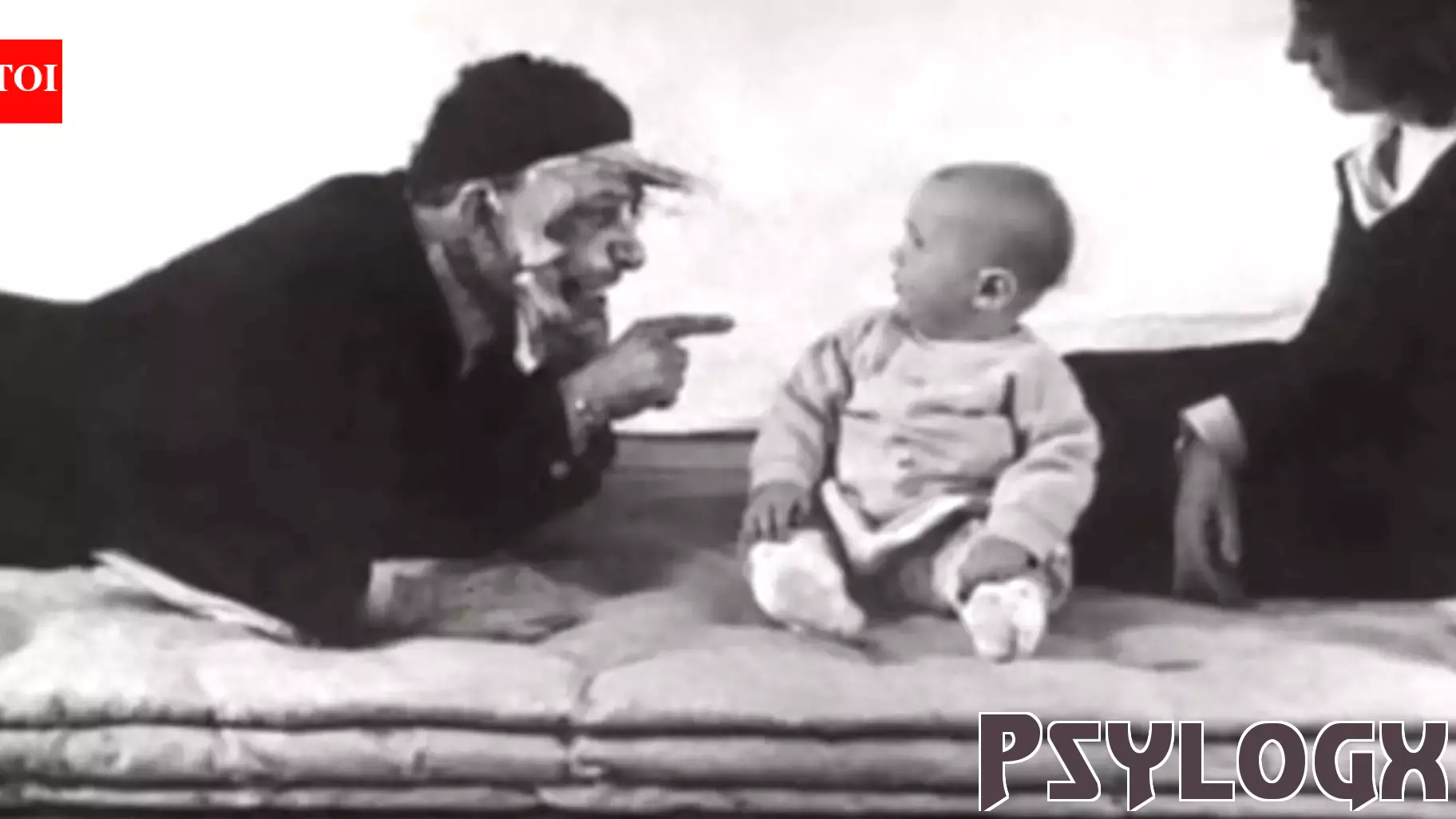
A chilling chapter in the history of psychology was written in 1920 with an experiment known today as the case of Little Albert. Conducted by John B. Watson and his assistant Rosalie Rayner at Johns Hopkins University, the study aimed to demonstrate that emotional responses, like fear, could be conditioned in humans.
The subject was a placid infant, dubbed "Albert B." Initially, Albert showed no fear of various furry animals and objects, including a white rat, a rabbit, and even a Santa Claus mask. The researchers then began pairing the presentation of the white rat with a loud, frightening sound—the striking of a steel bar behind his head. After repeated pairings, Albert not only cried and recoiled from the rat alone but also generalized his newfound fear to other similar fuzzy items, including the rabbit, the mask, and a dog.
The experiment is now infamous, not for its findings on conditioned emotional response, but for its profound ethical breaches. Little Albert was deliberately traumatized, and the researchers made no documented attempt to decondition his fears, a process known today as debriefing. The child was removed from the hospital setting shortly after, and his fate and true identity remained a mystery for decades, adding to the study's troubling legacy. This experiment stands as a stark, early example that spurred the development of strict ethical guidelines to protect subjects, especially vulnerable populations, from psychological harm in the name of science.
MORE NEWS

October 7, 2026 - 02:21
Forensic Psychology Crucial To National Security, Justice – NAFPThe Nigerian Association of Forensic Psychologists has highlighted the critical role the field plays in supporting national security and the justice system. The association`s president, Dr David...
October 6, 2026 - 10:42
Why Charlie Munger's Psychology Lessons Arrive Too Late for Most PeopleCharlie Munger spent decades studying why smart people make terrible decisions. He had a front-row seat to Warren Buffett`s decision-making as his partner at Berkshire Hathaway, and he used that...

October 5, 2026 - 21:26
First-Time Fathers in Management Roles Tend to Hire More Women, Research ShowsMale managers who become fathers to a daughter for the first time often change their hiring habits in a measurable way. According to new research, these managers tend to bring more women onto their...

October 5, 2026 - 04:04
Rethinking How Generations Learn From One AnotherThe relationship between generations has often been framed as a one way street. Older adults pass down wisdom, while younger people receive it. That view misses something important about how the...