Our Mistakes Can Prevent and Help Create New Possibilities
February 13, 2026 - 05:20
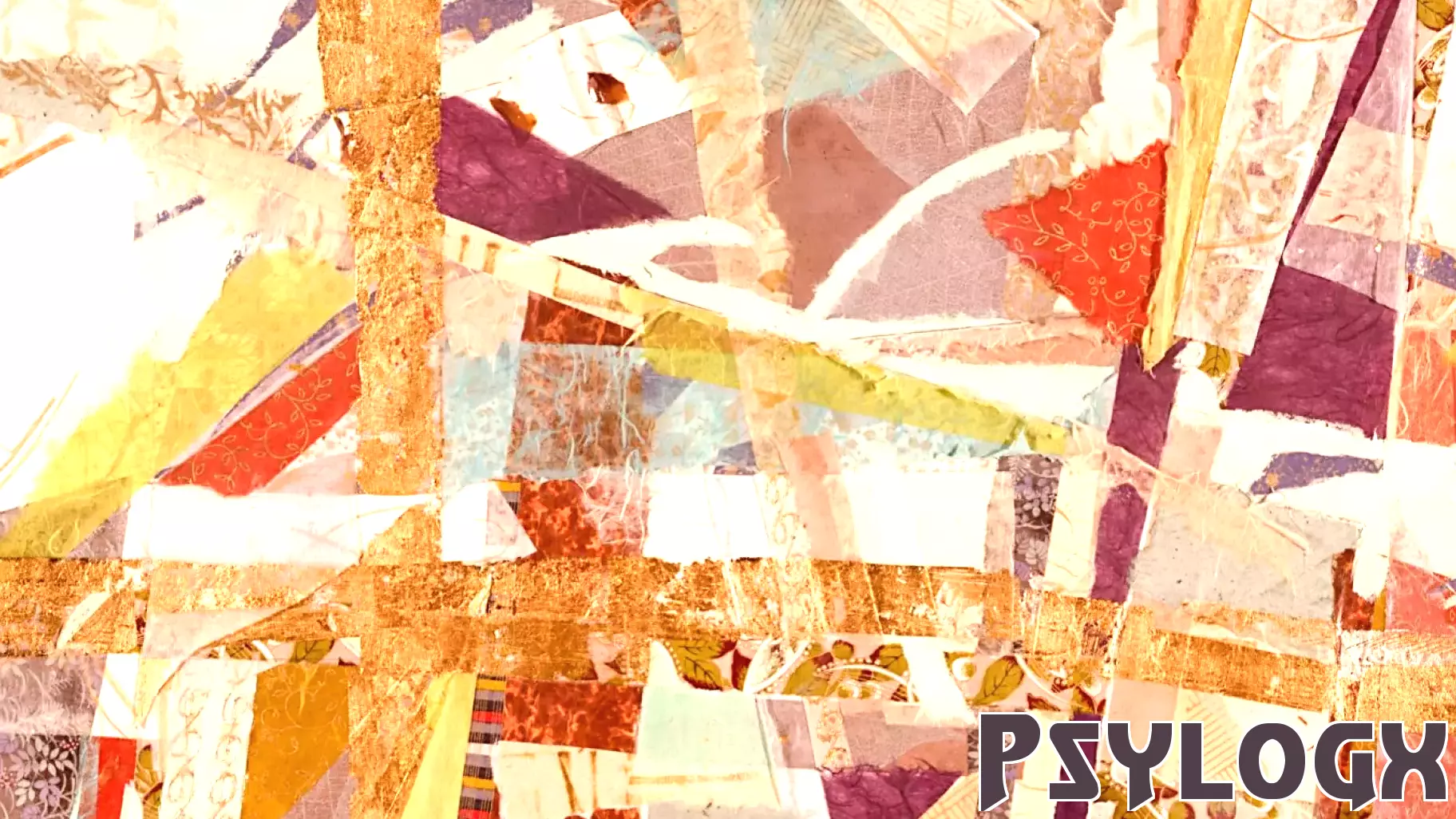
We all make mistakes. It is part of being human and fallible. Yet if we don't recognize the patterns in how we make mistakes and learn from them, it's like building a castle of high hopes on a faulty foundation. This precarious and disappointing situation occurs when the parts needed to build the castle become disconnected from the proposed structure.
However, this inherent flaw in our process is not an endpoint, but a critical starting point. By examining where our plans broke down, we gain invaluable insight. A mistake forces a pause, a reassessment of our assumptions and methods. This moment of reflection is where true growth happens. We identify not just what went wrong, but often discover what we were truly trying to build in the first place.
This analytical process does more than prevent future errors; it actively creates new pathways. The solution to a failed approach is rarely a simple correction. Frequently, it requires innovative thinking, leading to possibilities we had not originally conceived. The stumbled-upon alternative, born from necessity, can prove more resilient and ingenious than the initial plan. Therefore, embracing our missteps as diagnostic tools transforms them from sources of shame into powerful engines for creativity and progress.
MORE NEWS
September 27, 2026 - 01:35
A Look Behind the Doors of a Primate Research FacilityLindsay Oliver`s new book offers a rare and detailed look at life inside a primate research facility, examining both the animals that live there and the people who care for them. Rather than...
September 26, 2026 - 15:04
A Clinical Psychologist Explains Why Gossip Is Not Always HarmfulClinical psychologist Niamh Delmar has shared her perspective on the role that gossip plays in everyday life, challenging the common assumption that talking about other people is always a negative...
September 25, 2026 - 23:41
Introducing the New Nursing Lecturer at the Henry P. Becton School of Nursing and Allied HealthThe Henry P. Becton School of Nursing and Allied Health has welcomed a new nursing lecturer to its teaching staff. The addition comes as the school continues to expand its programs and meet growing...
September 25, 2026 - 06:43
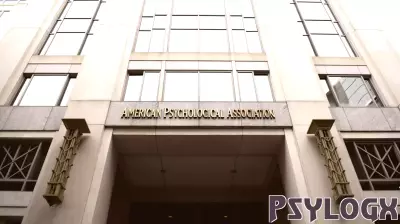
Federal panel recommends suspending American Psychological Association’s accreditation authorityA federal advisory panel has recommended that the American Psychological Association temporarily lose its authority to accredit doctoral training programs. The recommendation follows mounting...