Psychology says people who always write lengthy emails aren't trying to sound smart, they may be trying to
July 12, 2026 - 01:18

A new take on workplace communication suggests that people who send lengthy emails are not always trying to sound important or overly formal. Instead, psychology indicates that these individuals may simply be trying to ensure everyone understands the message the first time.
Researchers point out that verbose emails often come from a place of caution. The sender might worry that a short message could be misinterpreted. By adding extra context, examples, or repeated instructions, they aim to reduce the chance of confusion. This is especially common in teams where tasks are complex or where people have different levels of experience.
Another factor is anxiety. Some workers fear that a brief email might come across as rude or dismissive. Writing a longer message feels safer because it covers all bases. It also shows effort, which can build trust with colleagues.
However, the habit has a downside. Long emails can overwhelm readers. People may skim or miss key details buried in paragraphs. The trick is balance. Clear, concise writing is still the goal. But if you see a long email in your inbox, remember that the sender might just be trying to help, not to lecture. They are probably more worried about being misunderstood than about sounding smart.
MORE NEWS

October 10, 2026 - 01:33
Psychology says children who behave differently around a friend's parents may be trying to avoid one thingA child who is talkative and playful at home may suddenly become quiet when visiting a friend`s house. Others may use unusually polite language around a friend`s parents, avoid making jokes they...
October 9, 2026 - 03:44
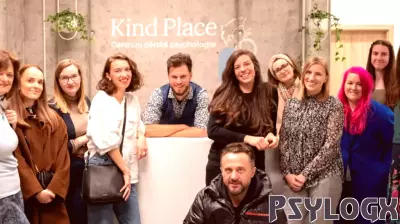
Czech Child Psychology Center Sees Tenfold Surge After Insurance DealsA Czech child psychology center known as Kind Place has experienced a dramatic spike in demand, with inquiries jumping tenfold within a single week. The surge followed the announcement of contracts...

October 8, 2026 - 03:35
New Research Confirms Pygmalion Effect Boosts Confidence in ChildrenA recent study has provided fresh evidence that the expectations adults hold for children can shape how those children see themselves. The research centers on a phenomenon known as the Pygmalion...

October 7, 2026 - 02:21
Forensic Psychology Crucial To National Security, Justice – NAFPThe Nigerian Association of Forensic Psychologists has highlighted the critical role the field plays in supporting national security and the justice system. The association`s president, Dr David...